
Local News
Blue Ridge Wildlife Center Patient of the Week: Eastern Gray Squirrel
Our local Eastern Gray Squirrels typically have two litters per year, with the first born in late winter and the second in early fall. But wildlife does not follow a strict calendar. Weather patterns, food availability, and nest conditions can shift these timing windows, sometimes by weeks.
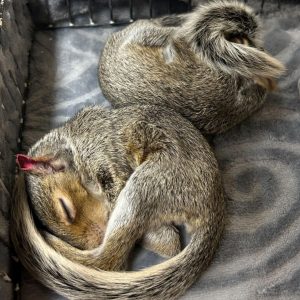
This year, we have continued to admit infant squirrels well into November, including the two little ones featured here.
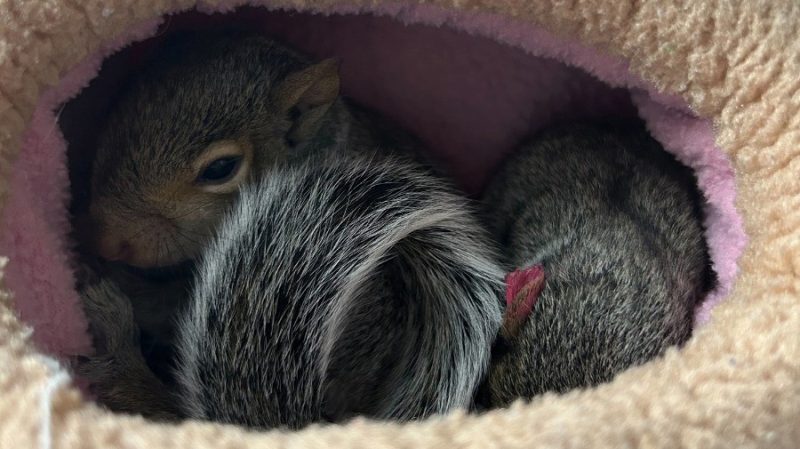
Most late-season babies we receive are suspected orphans who arrive thin, dehydrated, and sometimes carrying fleas after being found alone on the ground. These two followed that same pattern. They were found without a mother nearby and came in thin and dehydrated, but thankfully without major injuries. They’re now warm, hydrated, and settling into care with experienced rehabilitators who will help them grow strong enough for release.
As we head into Thanksgiving, we are especially grateful for the members of our community who reach out for guidance! If you find a baby squirrel on the ground and it appears uninjured, attempting to reunite with its mother is almost always the best first step.

Follow the advice in our guide or call BRWC or your closest licensed rehabilitator so we can help assess the situation.
Eastern Gray Squirrels are not a threatened species, but their care is essential to every part of our mission, including our professional training program.
Infant squirrels require frequent feedings, careful hydration plans, thermal support, wound care, and species-specific housing. All skills that our veterinary students and interns must master before working with more complex or sensitive patients.
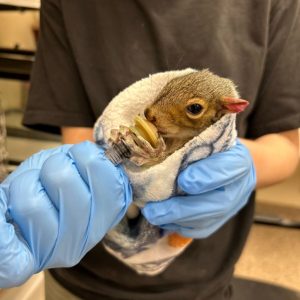
By caring for common wild species like these, trainees learn how to place tiny IV catheters, perform physical exams on neonates (newborn or very young animals), while also practicing low-stress handling, species-specific restraint, and understanding how wild animals respond to care.

These experiences build the essential skills needed to treat wildlife safely and responsibly.
We’re happy to share that these two late-season babies are off to a strong start and will continue their journey toward release with the help of an experienced rehabilitator.
On December 2, we’re focusing our Giving Tuesday campaign on one of the most important long-term investments we can make: our professional training program.
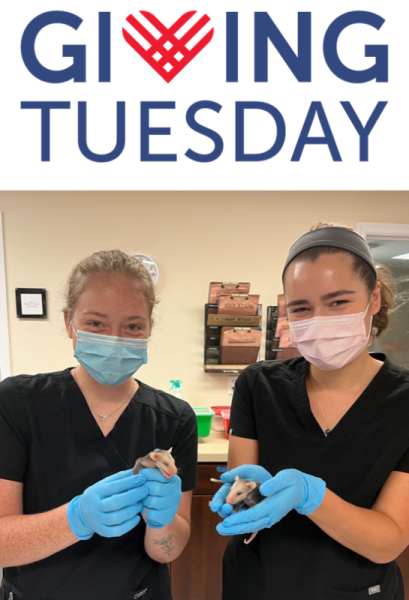
This program equips future veterinarians, rehabilitators, and conservation professionals with the hands-on experience needed to care for the region’s wildlife safely, ethically, and effectively.

BRWC’s infant patients play a key role in that education. Their daily care teaches essential medical and husbandry skills, while also helping trainees understand the unique needs and behaviors of wild animals.
Every gift on Giving Tuesday helps us continue training the next generation of wildlife professionals who will support species across Virginia for years to come.
Remember to give on Giving Tuesday, or if you prefer, you can make your gift today.




Why Wait Till November? Mid-Term Election Early Voting Processes in Place Now

US Senate Leaves Nation’s Capital in Advance of Midterms With Much Still Undone

Business Growth Series: If You Don’t Control Your Day, It Controls Your Business

The End of a 20-Year Monopoly on the Credit Score

Voltron and Immigration

States OK Solar Panels for Balconies. Safety Guidelines Haven’t Caught Up

Trump TV Ads Paid for with $20M in Homeland Security Funds, Dems Find

Blue Ridge Wildlife Center Patient of the Week: Gray Treefrog

Birthday Twins: See Which Famous Face Shares Your Big Day

Meet-and-Greet Set Sunday for Republican-Endorsed Front Royal Candidates

Barbara Ann Mathews Smelser (1943 – 2026)

Kathleen Frances Elar (1956 – 2026)

Happy Creek Crossing to Hold Vendor Interest Meeting Oct. 8 in Front Royal

If the Car Name Fits, Drive It

Front Royal Begins Smoke Testing Sewer System; Residents May See Smoke Around Homes

Trump Orders Federal Agencies to Replace ‘Artificial Intelligence’ With ‘Super Intelligence’

Town-Wide Weed Spraying Underway in Front Royal Through Oct. 6

Southbound I-81 Lane Closure Near Strasburg Expected to Cause Significant Weekend Delays

Virginia Democrats Warn More Healthcare Strains Loom After November Election

Legislation to Force Virginia Traffic Camera Fine Payments Will Make ‘Nightmarish’ Court Workloads

CDC’s Latest Youth Behavior Report Offers a Narrower Look at Teen Health

News Organizations Banned from White House Accuse Trump of First Amendment Violation

Virginia Education Board Approves New Rules for Local Student Assessments

FCC Halts Automatic Approval of Verizon Plan to End Legacy Landline Service in Virginia
