
Interesting Things to Know
The Hoover Dam: A Monumental Achievement in American Engineering
Celebrating the Historical Significance of the Hoover Dam.
On December 21, 1928, a significant chapter in American engineering and conservation began with President Calvin Coolidge signing the Boulder Canyon Project Act. This groundbreaking legislation paved the way for the construction of the Hoover Dam, a marvel of civil engineering that would have a profound impact on the American Southwest.
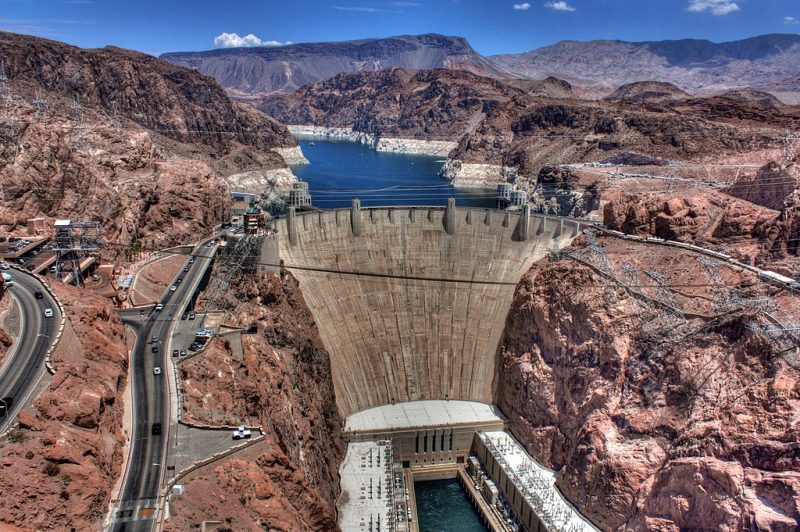
Hoover Dam, East of Las Vegas on U.S. Route 93 Boulder City – Shawn Hartley, CC BY-SA 3.0 <https://creativecommons.org/licenses/by-sa/3.0>, via Wikimedia Commons
The Hoover Dam, originally known as Boulder Dam, stands as a testament to human ingenuity and determination. It was constructed in the Black Canyon on the Colorado River, strategically located on the Arizona-Nevada border. The dam’s primary objectives included flood control, improvement of navigation, and regulation of the Colorado River’s flow. It also aimed to provide water storage for the reclamation of public lands and generate electrical energy for beneficial uses within the United States.

The story of the Hoover Dam is intertwined with the contributions of significant figures such as Herbert Hoover, a mining engineer actively involved in the dam’s development, and Major John Wesley Powell, a Civil War veteran and geographer who first described the Southwest’s geography. The push for technological control over the Colorado River gained momentum following devastating flooding between 1905 and 1916, which severely impacted farming and irrigation in the Imperial and Yuma valleys.
The construction of the dam was an engineering feat, starting with the diversion of the Colorado River through massive tunnels driven through the canyon walls. The project also involved building housing for workers, a highway, railroad lines, and a power transmission line for construction. The pouring of the dam’s first concrete in June 1933 marked a significant milestone, leading to the creation of Lake Mead by February 1935. The final concrete pour occurred in May 1935, and all features were completed by March 1, 1936.
President Franklin D. Roosevelt, during the dam’s dedication on September 30, 1935, recognized the monumental effort and achievement, congratulating those who built the dam and acknowledging its national significance.
Today, the Hoover Dam stands as a symbol of American resilience and technological advancement. It revolutionized water management in the arid Southwest and became an iconic landmark, illustrating the potential of human endeavor. The Hoover Dam’s story is a reminder of the transformative power of visionary projects in shaping our nation’s landscape and future.





VDOT: Warren County Traffic Alert for September 28 – October 2, 2026

Virginia Health Committee Considers Mandating Licensed Nurses in Every School

After Obama-Era Chesapeake Bay Executive Order Rescinded, Environmental Groups Brace for Fallout

Federal Judge Strikes Down SNAP Deadline That Put Virginia at Risk of Added Costs

Children Activities by Samuels Public Library for the Month of October

$5,000 Match Challenge to Support Warren County Children on Give Like Dolly Day

October 23rd Set for Post-Discovery Motions Hearing in Bradley Treece Gunfire Incident With Neighbors

Virginia State Police Seize More Than $1 Million in Drugs During Weeklong Operations

Jolissa Steele Shifflett Mathews (1944 – 2026)

False Birth Control Claims are Proliferating, Survey Says

Business Growth Series: Your Work Environment Is Affecting Your Growth

Frog Hunting Offers Virginians a Different Kind of Outdoor Adventure

How the Tech Bros Shop for a House

County Supervisors Fill Vacant Planning Commission Seat, Look to Future on Processes and Capital Improvements

America 250: ‘I Only Regret That I Have but One Life to Lose for My Country’

Building Gas Plants More Important Than Dominion Sale, Data Center Politics

Home Inspectors Help Buyers and Sellers Understand a Property’s Condition

Bowling Together: Why Work Is More Than a Paycheck

This Week’s Showtimes at Royal Cinemas as of September 24th

POLICE: 7 Day FRPD Arrest Report 9/21/2026

Blue Ridge Wildlife Center Patient of the Week: Eastern Cottontail

UVA Health Review Examines Real-World Results of Incisionless Liver Tumor Treatment

Maximilian James Donora (1995 – 2026)

Dollars for Dolly Campaign Aims to Turn Small Gifts Into Big Community Impact
