
Automotive
A road map to eco-driving
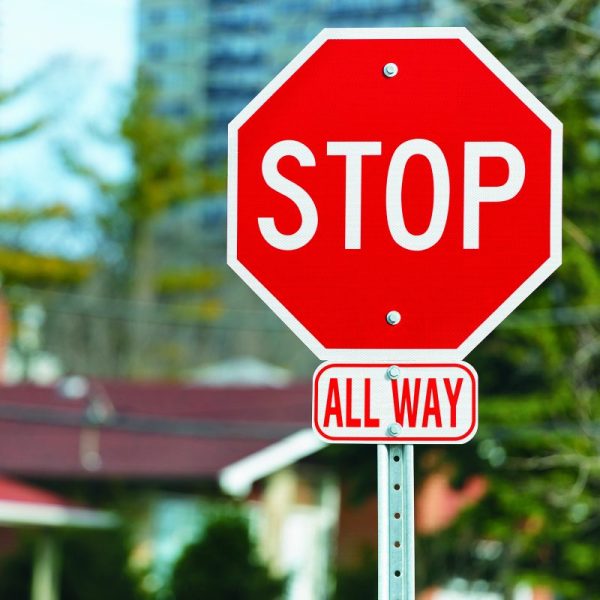
Eco-driving reduces your vehicle’s fuel consumption, thereby lessening its impact on the environment. If you want to save money on gas and help protect the planet, here are some practices you should adopt.
Respect speed limits
Driving fast causes a spike in fuel consumption. In fact, your car uses about 10 to 15 percent more gas at 65 miles per hour than it does at 55 mph. Plus, the increase in speed will only shorten your travel time by a few minutes at most.
Maintain a steady speed
When driving, fluctuations in speed can eat up more gas than you might think. In fact, variations in speed within a range of just six or seven mph can have an impact. Choose a speed that suits the traffic and weather conditions, and maintain it as much as possible.
Use hills to your advantage
When you reach an incline, ease off the gas and allow your car to take the ascent at a slower pace. In addition to reducing your fuel consumption, this will allow you to brake later on the way down since your speed is already reduced.
Anticipate stops
If you wait until the last second to apply your brakes, you’ll use a lot more fuel than if you take your foot off the gas pedal and coast to a stop. Similarly, there’s no need to accelerate to the full speed limit between two stops. Doing so could result in rapid acceleration and hard braking, both of which are bad for fuel consumption.
By following these and other eco-driving practices, you’ll be able to reduce your car’s fuel consumption without drastically affecting your travel time.
