
Food
Are plant-based diets bad for athletes?
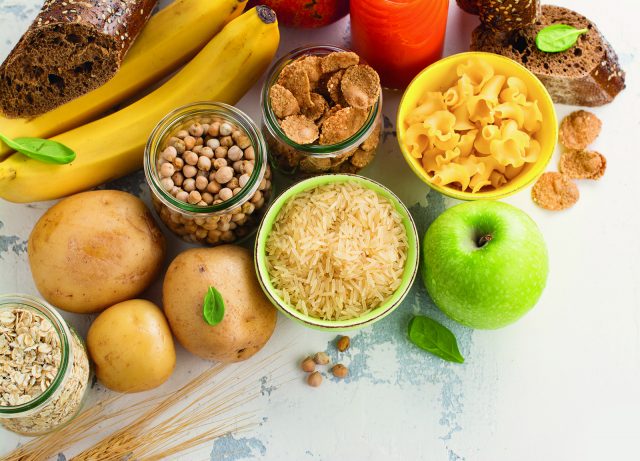
There’s a widespread belief that adopting a vegetarian or vegan diet will impede an athlete’s endurance and strength. However, this is simply not true. In fact, all the nutrients an athlete needs to perform at their best can be obtained from a plant-based diet. Here’s how to do it.
Carbohydrates
Everyone needs carbohydrates, but athletes rely on them more than most people. This is because carbs are easily converted into glucose and thus, into energy.
As it happens, most carbohydrates we eat come from plant-based foods. Whole grain breads and pastas are a very good source of carbs, as are beans, rice, oats and fruits.
Protein
Athletes need protein to help their body repair muscle and to optimize the formation of glycogen, a complex molecule used in long-term storage of glucose. Many of the carbohydrate sources listed above are also good sources of protein, as are eggs, dairy and various forms of soy, including tofu and textured vegetable protein.
Micronutrients
Zinc, iron, calcium, iodine and vitamins D and B12 can sometimes be difficult to obtain in sufficient amounts without consuming animal-based foods.
While lentils, pulses, tofu and cashews are great sources of iron and zinc, their high fiber and phytic acid content makes these minerals harder to absorb. Fortunately, this is easily resolved by consuming foods rich in vitamin C, which helps with absorption.
Calcium, vitamin D and vitamin B12 are easily obtained from fortified almond or soy milk. Okra, bok choy and kale will also provide a lot of calcium, while mushrooms such as maitakes and Portobello are rich in vitamin D.
Finally, supplements are your best bet for iodine.
The bottom line
As long as athletes eat a varied diet that meets their nutritional needs, they can perform optimally without eating meat or animal by-products.
