
Local News
Blue Ridge Wildlife Center Patient of the Week: Groundhog(s)
These two infant groundhogs serve as a reminder of why you should never trap and relocate adult animals, especially during the Spring and Summer months!
Multiple adult groundhogs were trapped and relocated from a location. Unfortunately, days later, these two baby groundhogs were found out of their burrow, severely emaciated and weak after being without their mother for days.
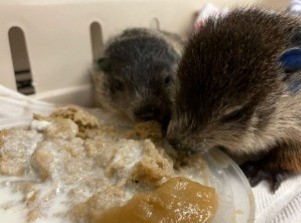
Relocating animals also can spread disease, causing further suffering to the animals that already exist in the areas these animals are relocated to.
Relocated animals no longer know where to find food or shelter and can find themselves attacked or injured by present animals defending their territory or limited food sources.
Many people think the only option for wildlife conflict is to either relocate the animal or have it euthanized, but there’s a third option—exclusion!
There are many ways to humanely exclude animals from your yard or property that allow the parents to take their babies with them, preventing orphans and the negative consequences of relocation!
If you’re having a problem with a wild animal in your yard or on your property, please give us a call FIRST before taking matters into your own hands. Keeping babies with their parents is always in their best interest!
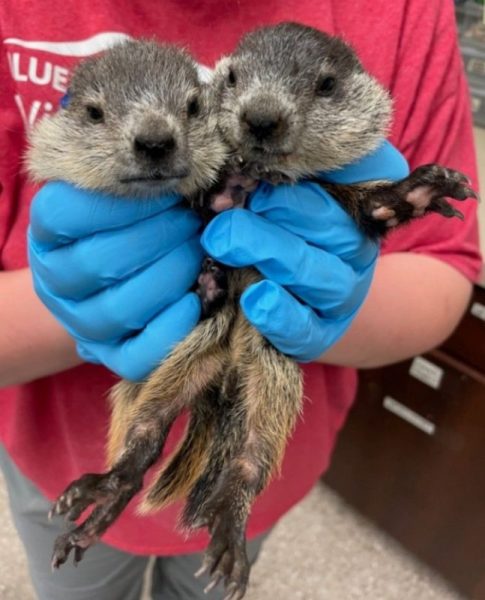
These two are slowly going through a refeeding protocol and have now begun to eat some solid foods on their own.
Trapping and relocating wildlife is not only illegal in Virginia and most other localities, but it’s also inhumane and unethical.
Relocating an animal causes situations like these, where orphans who otherwise would’ve grown up with their natural parents now have to be cared for in a rehabilitation setting. Many more orphans are never found and are left to die from starvation or the elements slowly.
Looking for an easy way to help native wildlife? Become a monthly BRWC donor! For as little as $5/month, you can provide year-round, sustainable support that helps us fulfill our mission.

Spanberger Emphasizes Job Growth, Business Investment After New Jobs Report

House Panel Challenges Defense Official on Iran Military Strategy

Maryland Delegation in Congress Backs Effort to Regulate Energy Use by AI Companies

Virginia’s Congressional Map Is the Fairest in America – Democrats Want to Make It the Worst.

Art, Poetry and Big Questions Take Center Stage at Laurel Ridge Humanities Week

Virginia Pushes New Protections for Pregnant and Postpartum Women Behind Bars

Should High Schools Have Career Coaches? Virginia Lawmakers Say Not Yet

‘World Is Watching’: Climate Advocates Focus on Data Center Energy Use

Industrial Zoning Among Key Focal Points at Town Planning Commission Work Session

General Assembly Nixes Bills That Required Data Centers to Get SCC Certificate

After Past Vetoes, Bias Training Bill for Medical Licenses Could Become Law

Virginia Joins Multistate Lawsuit Challenging Trump Administration Over New Global Tariffs

Kristi Noem Out As DHS Secretary; Trump to Nominate Oklahoma Senator Mullin

Five Tips to Make Spring Cleaning More Enjoyable

New ‘No Tax on Car Loan Interest’ Break Could Save Drivers Hundreds

Cline Launches Statewide Campaign to Oppose Redistricting Referendum

Obama, Spanberger Welcome Virginia Supreme Court of Virginia Ruling Allowing Redistricting Vote

Warren County School Board Reviews Health Insurance Options Amid Steep Cost Increase

Warren County School Board Ends ESS Substitute Contract

Cars Changing Lives Plans May 8 Golf Tournament to Support Transportation for Families in Need

William Gladwell Mason “Bill” Wilson (1936 – 2026)

Early Voting Begins Friday for Virginia Redistricting Referendum

Immigration Arrests Spark Bills to Guarantee K-12 Education Rights for All Virginia Students

Last-Minute Tweak to Bill Could Double Virginia’s Medical Malpractice Payment Caps for Plaintiffs
