
Local News
Blue Ridge Wildlife Center Patient of the Week: Northern Raccoon
What does it take to raise a raccoon?
While baby raccoons may look like fuzzy little bandits straight out of a cartoon, caring for them is no cute-and-cuddly affair. It’s a months-long commitment filled with round-the-clock feedings, specialized diets, enrichment activities, increasingly large enclosures—and serious safety precautions.
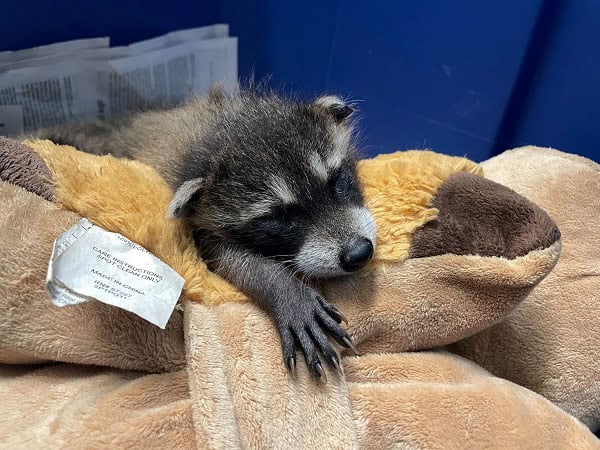
At our Center, these kits (some of whom arrived in May as eyes-closed newborns) won’t be ready for release until late August or early September. That’s because raccoons don’t reach independence until they’re nearly six months old. In the meantime, they need species-specific care from trained professionals in a facility equipped to manage their complex needs—and risks.
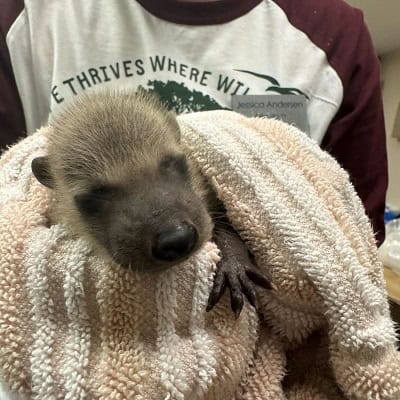
Raccoons are considered high-risk rabies vector species, meaning the Commonwealth of Virginia requires rabies vaccinations for anyone providing their care.

At our hospital, we go even further. Staff and volunteers working with raccoons wear full PPE: gowns, masks, gloves, and eye protection—not just for rabies, but because raccoons are also the definitive host of the parasite Baylisascaris procyonis (aka raccoon roundworm), which can be deadly to humans. That’s why raccoons—and any other rabies vector species—should never be kept or cared for by unlicensed, unvaccinated individuals. In fact, if someone is bitten or exposed, the health department may require the raccoon to be tested for rabies—a process that sadly involves euthanasia and testing brain tissue.

Taking appropriate precautions when rescuing can literally save lives for these species and luckily, the finders of the babies seen here took these precautions. Handling these babies indirectly (for example scooping them into a box or container), or with thick leather gloves and towels only to get them contained, and then getting them to a permitted rehabilitator right away is the best way to keep everyone safe!
Remember: Always speak with a rehabilitator before attempting to contain any species in case reuniting with mom is an option.

When unlicensed individuals care for high-risk rabies vectors, the outcome is tragic for all involved. If you know of individuals in Virginia that are illegally caring for wildlife and they are unwilling to get those animals legal care, they can be reported to Virginia’s Department of Wildlife Resources at WildCrime@DWR.Virginia.gov. These conservation officers can assist in educational discussions with such finders and in confiscations as necessary to ensure that all wildlife receive humane care.
Looking for an easy way to help native wildlife? Become a monthly BRWC donor! For as little as $5/month, you can provide year-round, sustainable support that helps us fulfill our mission.

Court Ruling Voids Prince William Data Center Rezoning, Raising Stakes for Local Debate

Spanberger Signs First Bills Targeting Healthcare, Housing and Energy Costs

Blue Ridge Singers Spring Concerts to Showcase Powerful Blend of Voices and Brass

What Counts as “Good Policy” Depends on Who’s in Power

Planned Parenthood Presses Virginia to Restore State Funding for Contraception Program

Weapon Offenses Rise on Virginia University Campuses

Trump Steps In to Pay TSA Workers as Congress Remains Stalled

Escaping the ‘Captivity of Activity’ by Making Time to Rest

Why Wearing a Bike Helmet Matters

Wilma J. Martin (1927 – 2026)

Michael Fanning (1957 – 2026)

Spanberger Order, RNC Lawsuit Highlight Divide Over Virginia Voter Roll Maintenance

DNC Kicks Off Voter Registration Blitz, Unveils New Campaign Playbook Ahead of Midterms

Republican State Lawmakers Propose Three-Month Gas Tax Holiday in Virginia

April Star Birthdays: Famous Faces Celebrating This Month

Time to Strengthen Those Hips Again

Supervisors Discuss Evolving FY-26/27 Budget Priorities and Revenue Sources, Including Real Estate Tax Hike & Cigarette Tax

From Students to Leaders: Mountain Vista Governor’s School Hall of Fame Honors Two Graduates

Hundreds Gather in Front Royal for “No Kings Day” Rally

How Public EV Charging Stations Work

A Social Network Just for AI? Bots Chat About Life, Love and More

Out of Closed Session FR-WC EDA Approves Resolutions Regarding Evolving Property Sales and Brokerage Services

Driver Dies After Crash While Fleeing Police on I-81

Laurel Ridge Honors Cynthia Schneider as Distinguished Alumna of the Year
