
Local News
Blue Ridge Wildlife Center Patient of the Week: Osprey
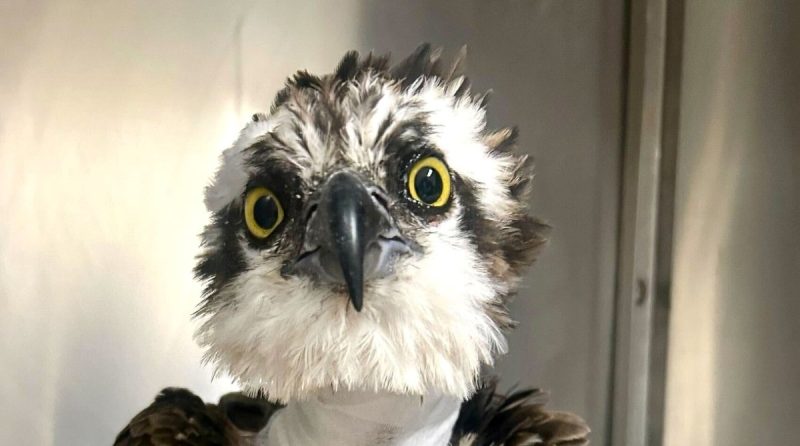
This handsome Osprey came to us after being found down with a hole in his neck and bleeding from a wound at his hind end. On exam, the hole was, in fact, a hole right into his esophagus.
This is called a crop rupture and is not an uncommon occurrence to birds that have trauma following a big meal.
The crop is a distension of the lower esophagus in birds that stores food before being digested.
When forceful trauma occurs, such as a vehicle collision or puncture into that area, the full crop can rupture, creating a hole.
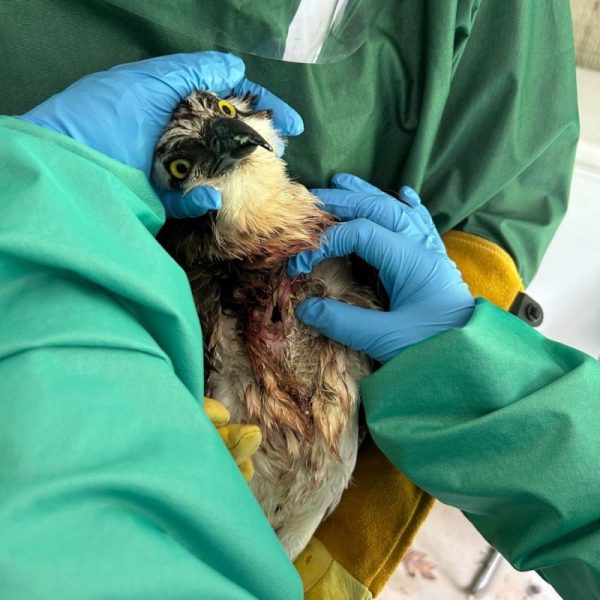
This injury creates its own unique set of challenges for stabilization and patient care.
We are limited to using wound dressings that will not harm the gastrointestinal tract or risk becoming ingested.
We also cannot administer oral medications, nor can we offer food for them to eat.
This Osprey was immediately started on injectable fluids, vitamin supplements, antibiotics, anti-inflammatories, and strong pain medications.
Manuka honey was placed within and around the crop rupture until the patient was stable.
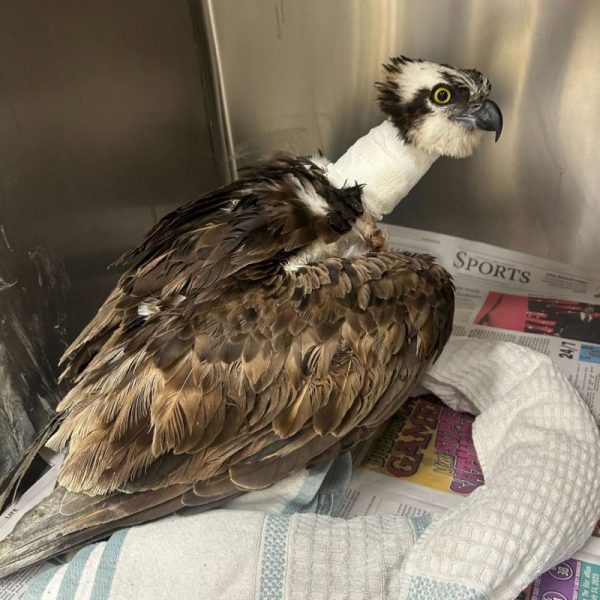
Once stabilized, our veterinary team to took this patient to surgery.
A feeding tube was placed in order to attend to his nutritional needs while recovering (you can imagine how painful it would be to eat after a throat surgery!).
The wound was fully cleaned and then the esophagus itself had to be sutured closed, followed by another set of stitches to close the skin wound.
His other wounds were cleaned and appropriate bandages were placed. Luckily, he recovered well from surgery!

This critical patient has a guarded prognosis, but our team is doing their best to manage his injuries and provide proper care as he heals from this trauma.
Looking for an easy way to help native wildlife? Become a monthly BRWC donor! For as little as $5/month, you can provide year-round, sustainable support that helps us fulfill our mission.

New Church Among Consent Items at County Planning Commission Meeting

Warren County GOP Mass Meeting Results Challenged After Allegations of Voting Irregularities

‘This Is About Equity’: In Richmond, Virginia Workers, Lawmakers Push for Inclusive Labor Rights for All

After Five Years of Attempts, Virginia On Track to Set Up a Prescription Drug Affordability Board

New Drug Take-Back Box at Warren County Sheriff’s Office Offers Safe Way to Dispose of Medications

‘Feeding Our Neighbors’ Continues Local Effort to Provide Free Meals in Front Royal

Blair David Eller (1963 – 2026)

Writing Workshop at Samuels Public Library Aims to Help Community Communicate More Clearly

Simple Steps to Reduce Wildfire Risk Around Your Home

Lyme Disease Cases Continue to Rise as Tick Season Returns

County Receives 5 More FY-27 Budget Overviews Prior to Closed Meeting on Administrator Search & Business Expansion

Belle Grove Opens March 21 With First Public Viewing of Memorial Quilts Honoring Enslaved Individuals

Iran At a Crossroads: Democracy, Monarchy, and the Lessons of the 1950s

Federal Judge Upholds Ruling That Certain Ex-Felons Should Not Automatically Lose Voting Rights

Virginia Lawmakers Explore Autonomous Technology for Transportation

Misconceptions About Multiple Sclerosis

Five Reasons to Consider a Career in the Community Sector

Frederick County Cattle Carrier Crash – Animals Still Reported At Large

‘Grow Up’: Former Republican Delegate Defends Civil-Rights-Themed Mailers in Redistricting Fight

Virginia One Step Closer to Probation Reform With Bills Headed for Spanberger’s Desk

Merit Versus Reality: Town Council Weighs Priorities Against Finance

Blue Ridge Wildlife Center Patient of the Week: American Beaver

POLICE: 7 Day FRPD Arrest Report 3/9/2026

Discover Rotary with the Rotary Club of Warren County
