
Local News
Blue Ridge Wildlife Center Patient of the Week: Ruby-throated Hummingbird
Help these little guys make their long journey!
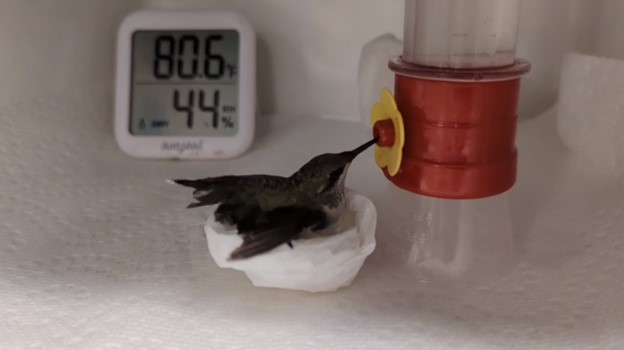
In the last 2 weeks, we’ve received nine Ruby-throated Hummingbirds. Five came into care due to cat attacks, two due to window strikes, one on a glue trap, and one due to exhaustion from being trapped inside a building.
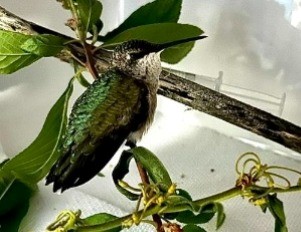 These tiny birds bring great joy to many backyard birders, but they are difficult animals to rehabilitate due to their small size and high metabolisms. They eat up to 3x their body weight in nectar and small insects daily!
If you find a hummingbird or other wild animal in need of assistance, be sure to contact a permitted rehabilitator right away! If these birds aren’t able to begin eating quickly after coming into care, their prognosis is usually poor.
Hummingbirds start their long migration south to their wintering grounds in Central America (some traveling up to 2,000 miles) in late August/early September—and they must be in perfect health to do so successfully. Luckily, you can help migrating birds by mitigating the potential dangers in your yard!
- Keep pets indoors, leashed, or in “catios”.
- Make your windows bird-safe by using decals or window paint to break up the reflections in the windows (with no more than 2″ of space between decals/art!).
- Ditch the pesticides.
- And be sure to turn your outdoor lights off at night to help our nighttime migrants!
To learn more about the bird migration forecast in your area, check out the BirdCast website here.
 Providing food for hummingbirds is another great way to help them during their migration journey. If you decide to feed hummingbirds using a nectar feeder, make sure to use refined white sugar—never brown sugar or organic sugar—and avoid adding unnecessary dyes.
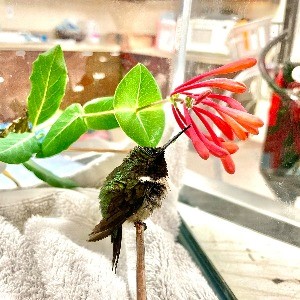
Nectar feeders should be cleaned even more frequently than your regular bird feeders. We recommend changing and cleaning them every two days. Better yet, take down the feeder and plant some native plants like the coral honeysuckle pictured here!
Looking for an easy way to help native wildlife? Become a monthly BRWC donor! For as little as $5/month, you can provide year-round, sustainable support that helps us fulfill our mission.
