
Health
The possible health risks of vaping
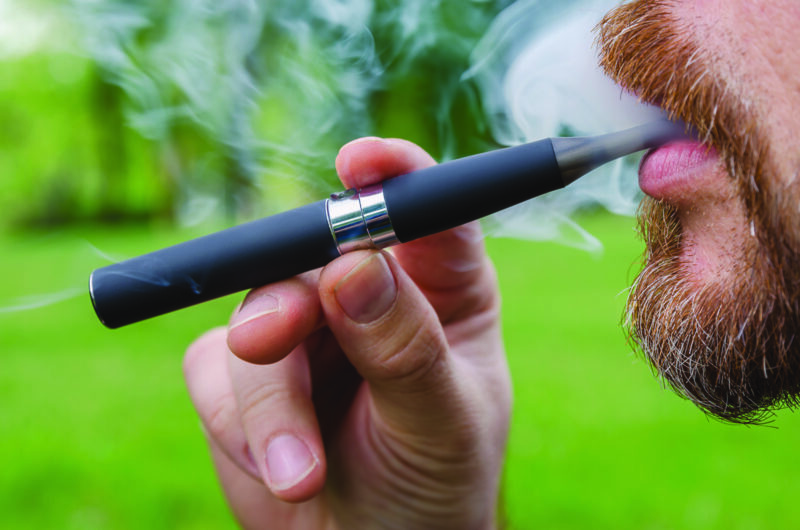
Smoking e-cigarettes, also commonly known as vaping, has become a popular alternative to smoking regular cigarettes. An e-cigarette, or Electronic Nicotine Delivery System (ENDS), is a battery-powered device that heats a liquid containing nicotine, flavorings and other chemicals to create an aerosolized vapor that’s inhaled.
Vaping exposes you to fewer toxic chemicals than traditional tobacco products and is much less likely to lead to heart disease and cancer. However, while e-cigarettes don’t contain tobacco, they do contain nicotine, the substance that makes cigarettes so addictive. It’s also a toxin that can raise your blood pressure, heart rate and adrenaline levels.
Furthermore, e-cigarettes contain other chemicals that are hazardous to your health. A recent study found that the vapor from e-cigarettes contains potentially unsafe levels of toxic metals like lead. What’s more, there’s a lot researchers still don’t know about the long-term health effects of vaping.
Medical professionals worry that e-cigarettes are getting people addicted to nicotine who otherwise wouldn’t consider smoking. Vaping has become particularly rampant among youth, whose adolescent brains are susceptible to the harmful effects of nicotine.
In 2015, the U.S. surgeon general reported that e-cigarette use among high school students had increased by 900 percent. Recent data shows that more than two million American middle and high school students have used e-cigarettes in the last 30 days.
If you’re considering using e-cigarettes to quit smoking, talk to your doctor first about the possible health risks.

New Church Among Consent Items at County Planning Commission Meeting

Warren County GOP Mass Meeting Results Challenged After Allegations of Voting Irregularities

‘This Is About Equity’: In Richmond, Virginia Workers, Lawmakers Push for Inclusive Labor Rights for All

After Five Years of Attempts, Virginia On Track to Set Up a Prescription Drug Affordability Board

New Drug Take-Back Box at Warren County Sheriff’s Office Offers Safe Way to Dispose of Medications

‘Feeding Our Neighbors’ Continues Local Effort to Provide Free Meals in Front Royal

Blair David Eller (1963 – 2026)

Writing Workshop at Samuels Public Library Aims to Help Community Communicate More Clearly

Simple Steps to Reduce Wildfire Risk Around Your Home

Lyme Disease Cases Continue to Rise as Tick Season Returns

County Receives 5 More FY-27 Budget Overviews Prior to Closed Meeting on Administrator Search & Business Expansion

Belle Grove Opens March 21 With First Public Viewing of Memorial Quilts Honoring Enslaved Individuals

Iran At a Crossroads: Democracy, Monarchy, and the Lessons of the 1950s

Federal Judge Upholds Ruling That Certain Ex-Felons Should Not Automatically Lose Voting Rights

Virginia Lawmakers Explore Autonomous Technology for Transportation

Misconceptions About Multiple Sclerosis

Five Reasons to Consider a Career in the Community Sector

Frederick County Cattle Carrier Crash – Animals Still Reported At Large

‘Grow Up’: Former Republican Delegate Defends Civil-Rights-Themed Mailers in Redistricting Fight

Virginia One Step Closer to Probation Reform With Bills Headed for Spanberger’s Desk

Merit Versus Reality: Town Council Weighs Priorities Against Finance

Blue Ridge Wildlife Center Patient of the Week: American Beaver

POLICE: 7 Day FRPD Arrest Report 3/9/2026

Discover Rotary with the Rotary Club of Warren County
