
Automotive
A history of roads in Virginia: Surviving an oil embargo
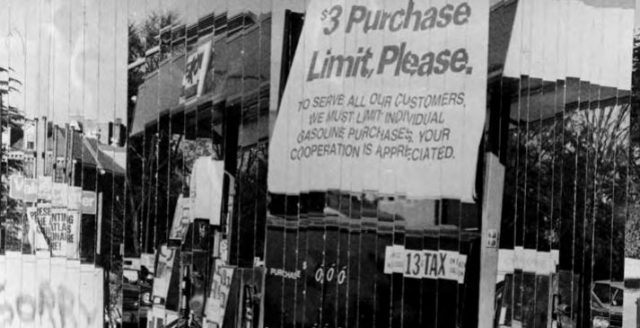
The fuel crises of the 1970s were to have a lasting impact on highway revenues.
In 1973, several Middle East nations imposed an embargo on exports of oil, forcing major changes in the United States and other countries. At the beginning of the 1970s, Virginia’s transportation future seemed bright, but the oil embargo and the ensuing efforts to conserve fuel would have a debilitating effect on state transportation revenues for years to come.
Supplies of gasoline and other fuels plummeted, prices soared, and long lines were common at gas stations. The crisis became so severe that on Nov. 26, 1973, Gov. Linwood Holton declared a state of emergency as a result of the motor vehicle fuel shortage.
Federal and statewide conservation policies were implemented immediately. In Virginia, Gov. Holton ordered the speed limit on the interstate system reduced from 70 to 55 miles per hour. The action was followed shortly by Congress setting the same limit on a nationwide basis.

Over the winter, the problem continued to grow. On Feb. 18, 1974, Virginia’s newly inaugurated Gov. Mills E. Godwin Jr. took the fuel conservation measures a step further.
He implemented a statewide mandatory gasoline distribution plan, which already was known in several other states as the “odd-even plan.”
The plan related numbers on motor vehicle license plates to those on the calendar. A motorist whose license number ended in an odd digit could buy gasoline only on odd-numbered calendar days. Those whose licenses ended in even numbers could buy gasoline only on even-numbered days.
The new plan, and the public’s support of fuel conservation efforts, went far toward alleviating the problem. Generally, long waiting lines at gasoline stations disappeared, but gas prices increased substantially. The fuel shortage was eased further by the lifting of the Mideast oil embargo in March 1974.

By April, the situation had improved sufficiently for Gov. Godwin to suspend the odd-even restrictions. But he cautioned that fuel supplies were expected to remain limited and that citizens should continue voluntarily to practice conservation measures. Moreover, he said, the speed limit would remain at a maximum 55 miles an hour.
The crisis had long-term, adverse effects aside from personal inconvenience. Reductions in gasoline use led to reductions in the state’s income from the motor fuel tax, the largest single source of revenue for highway construction and maintenance. Only two years earlier, in 1972, the General Assembly had increased the gasoline tax from seven to nine cents a gallon to help finance a new 10-year plan for road and street improvement and for expanded state aid to urban mass transit. Suddenly, revenue was falling below anticipated levels, and the commission forecast a shortfall of approximately $22 million for the 1974-75 fiscal year.
With petroleum being a major ingredient in roadway asphalt, construction costs also rose.
The revenue reductions, combined with sharply rising costs due to rapid inflation, made it clear that Virginia’s highway budget wouldn’t stretch as far as once hoped, and the commission began a reassessment of the 10-year plan. Also, federal authorities warned that the energy crisis “could critically curtail the federal state highway program,” from which came 90 percent of interstate highway construction funds.

The Department of Highways, like most agencies, initiated fuel conservation measures within its own organization. Employees were encouraged to join car pools for trips to work and were required to join such pools for business trips. It was decided to let roadside grass grow to 15 inches instead of 10 inches before mowing and to adjust snow-removal standards by eliminating plowing in subdivisions until snow was at least six inches deep.
Motor oil was saved for reuse in diesel engines and oil-fired furnaces. Oil changes in state vehicles were made every 4,000 miles instead of every 3,000 miles. An increased emphasis was placed on the use of asphalt that had low petroleum content and that required little heating before use.
But while the energy crisis produced changes in operations, and sometimes resulted in inconveniences, it also pointed the way to improved traffic safety. During the critical months of the fuel crisis in Virginia, traffic on the state’s major highways decreased for the first time since World War II. The reduced speed limits and travel were accompanied by long-sought reductions in accidents.
In Virginia during the period between December 1973 and April 1974, 52 persons were killed in traffic accidents on the 2,000 miles of highways with reduced speed limits; the toll had been double on the same roads in the corresponding period the year before. In the first six months of 1974, Virginia’s total traffic death toll on all of its highways stood at 458, down sharply from 608 in the same period of 1973.

There was another issue that emerged in the 1970s. It was not as immediately dramatic as the energy crisis, but it was one that would have a major effect on the department — concern about the environmental impact of highways.
The broadened public concern for environmental protection was accepted by department engineers as an indication of the public’s willingness to pay the cost
required for higher levels of preservation and conservation.
Opposition to the construction of Interstate 66 in Northern Virginia prompted department officials to examine even more closely the environmental impact highways would have in predominantly urban areas. On April 4, 1972, the 4th U.S. Court of Appeals in Richmond barred construction of the interstate through Arlington County until an environmental impact statement was completed.
When the final segment of I-66 between the Capital Beltway and the Theodore Roosevelt Bridge was opened on Dec. 22, 1982, the highway was vastly different from the one proposed 26 years earlier. The newly opened highway had four lanes instead of the eight originally planned, and it was restricted to car pools, buses, and Dulles International Airport traffic during morning and evening rush hours.

As a result of the department’s heightened awareness of environmental issues, highway construction plans were scrutinized repeatedly for environmental impacts, particularly in urban areas. Among other efforts, the department began to include provisions for noise walls and hiking and biking trails. In addition, when possible, plans were altered to avoid the destruction of historical and cultural resources.
Produced by the
Virginia Department of Transportation
Office of Public Affairs
1401 E. Broad Street
Richmond, VA 23219
VirginiaDOT.org




UVA Health Review Examines Real-World Results of Incisionless Liver Tumor Treatment

Maximilian James Donora (1995 – 2026)

Dollars for Dolly Campaign Aims to Turn Small Gifts Into Big Community Impact

Clean Virginia: NextEra’s Utility Takeover Attempts, Alleged Political Moves Relevant to Merger Case

Commentary: If You Enjoy Virginia’s Wildlife, Thank a Hunter or Angler

Spanberger Presses Congress for AI Guardrails as States Forge Ahead

‘Drive Them Into Hell’: Trump Ponders Destruction of Iran at United Nations

National Chicken Month Celebrates a Versatile Source of Protein

Face Paint That Can Read Your Heartbeat

Leisa Wood (1961 – 2026)

GO VOTE: Because Complaining Alone Isn’t a Good Strategy

The Third Most Important Gift Is Laughter

Skates, Treats and Safety: Warren County Sheriff’s Office Foundation Pack October with Community Events

Celebrate Kids Day Returns Sept. 27 With Family Fun, Activities and a New Train Ride

Survey Finds That More Than Half of Virginia Families With Children Face Food Insecurity

Could Virginia’s New Law Allowing 1% Sales Tax for School Construction Need a Fix?

Now They Want to Rein It In

From Oil Field to Gas Pump: What Really Determines What We Pay?

When Fields Flood: How Farmers Protect Crops and Plan for the Future

Draw Your Circles: A Map of the People Who Matter

A Heartfelt Farewell and Thank You
Data Centers Are Necessary. That Doesn’t Mean Warren County Needs One

Diesel Prices Shoot Upward as Top Farm-State GOP Senator Begs Trump for Export Embargo

From One Barrel of Oil: What Do We Actually Get?
