
Interesting Things to Know
Get up to speed on fishing regulations
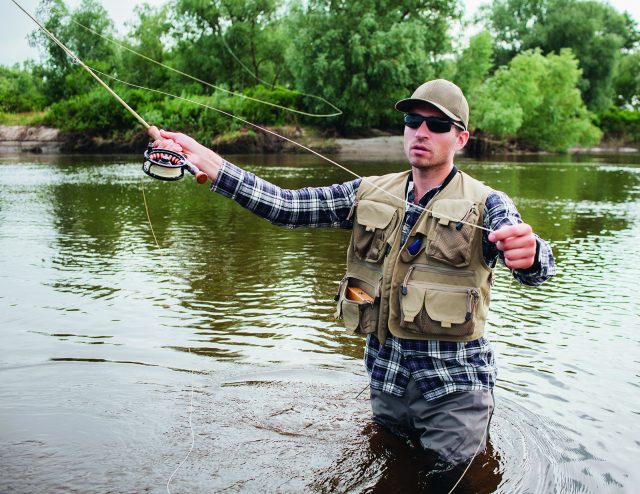
Fishing regulations play an important role in aquatic conservation, biodiversity and habitat preservation. Before you head out on the water, consult your regional fishing regulations for any updates and to ensure that you’re fishing legally and sustainably.
Get your license
A fishing license is almost always mandatory if you’re between the ages of 18 and 64. Requirements for younger and older anglers vary by state. If your area offers a variety of licenses, they may be subject to different fishing quotas.
The right equipment
Before you head out on the water, ensure your fishing tackle complies with regional regulations. Depending on where you intend to fish, there may be restrictions on the use of live bait and barbed hooks. There may also be a limit on the number of hooks and lines permitted.
When and where
Fishing may be restricted to certain periods of the year in your state. There might also be different regulations in place for specific bodies of water or regions based on local populations and conservation efforts.
Know your limits
Not all fish are created equal, and they may be subject to different size restrictions and bag limits. Some species may be off limits altogether. To ensure compliance with local regulations, you need to be able to identify the species you catch.
Specific fishing regulations vary by location. Fishing inland and within three miles of marine shorelines is regulated at the state level. Saltwater recreational fishing more than three miles off the coast is managed by the National Marine Fisheries Service (NOAA Fisheries). Be sure to consult the appropriate department of fisheries website for more details.
