
Real Estate
Homebuying Still Out of Reach for Many Virginians Post-Pandemic
RICHMOND, Va. — The Virginia real estate market still reflects the impacts of the homebuying boom five years ago, as a result of many working from home and all-time low mortgage rates. Interest rates and mortgages remain at post-pandemic highs as homeowners show reluctance to sell, and first-time home buyers struggle to cope as prices soar due to limited construction of new homes.
National housing markets are currently “buyer’s markets,” set to favor homebuyers, according to Redfin. Ideally, this is the time to buy a home, but few Virginians can afford to at current prices.
Areas closer to urban cores in Virginia are receiving many offers, implying that they still represent seller’s markets, according to Rick Jarvis, founder of One South Realty Group in Richmond. The farther from the city and the higher price points are, the more likely it is for new construction to occur. These suburban areas are more likely to be buyer’s markets, Jarvis said.
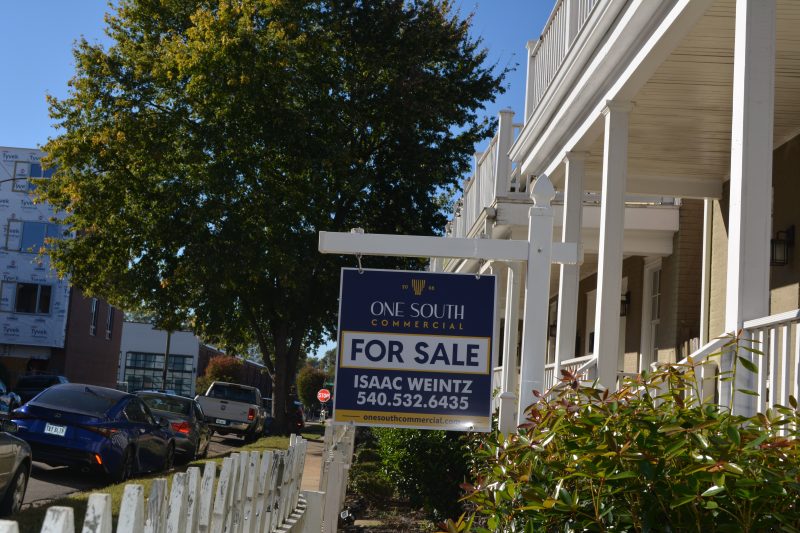
New construction, interest rates, debt burdens on buyers, and market price points play a role in the way the market looks, Jarvis said. He also said rates of home sales have fallen drastically due to a lack of inventory, “forcing” people to rent due to a lack of another option.
Affordability
Many cannot afford to buy homes in Richmond, regardless of the market conditions. There is a 36.8% gap between the qualified and actual incomes as of August. Qualified income is the sum needed for homeownership without spending more than 30% of one’s annual income, according to the Federal Reserve Bank of Atlanta.
The qualified income in Richmond has not been lower than the household median income since February 2022, when the median income was $78,382 and the median home price was $315,664.
Now, the average home costs $419,167, and the median income is $79,665, according to the Federal Reserve Bank of Atlanta.
The market has recently begun to balance after the “great migration” following the COVID-19 pandemic, Jarvis said. Homeowners, who were no longer tied to being near their jobs during the pandemic, sought more affordable areas. This worked in Richmond’s favor as the city is still very connected to the Northeast corridor.
These homeowners are now “locked in” with lower interest rates on homes they bought during the pandemic.
“It’s hard to justify selling your 5,000-square-foot house or 4,000-square-foot house to try to downsize when the cost is the same and the interest rate is higher, so people are just electing to stay in place,” Jarvis said.
The largest age group in the United States is also the most likely to be in the market for homes, individuals ages 30 to 31, according to Jarvis.
These individuals are still ascending into the housing market, and housing needs to be built to accommodate them, Jarvis said. This is increasingly difficult due to zoning laws and pressure on developers to raise prices, according to Jarvis.

“The ability to build new homes that are cheaper, that are less expensive, that’s basically impossible,” Jarvis said. “I think we’re going to be in this cycle for a while.”
The National Association of Home Builders’ 2024 Cost of Construction survey found record-high costs of construction since they began recording in 1998. Construction costs now account for 64.4% of the average home price, up from 60.8% in 2022, according to NAHB.
First-time homebuyers do not have equity from previous houses to put toward the purchase of a new one.
When seeking options with smaller down payments and lower incomes, they’re competing with all-cash offers from investors and previous homeowners. Successful first-time home buyers need increasingly high median household incomes, reaching $95,000 in 2024, according to Realtor.com.
Jarvis said Virginia market trends are reflected throughout the Northeast and Midwest because of the difficulty in building new housing, but farther south, the land is more plentiful and zoning laws are more relaxed. Different markets vary by trends, Jarvis said.
Richmond is one of the best-performing Virginia real estate markets with a year-to-date median sales price increase of nearly $20,000 from 2024, according to Virginia Realtors. This sales price increase is seen as positive for real estate market performance, but not for many buyers.
Joe Mengedoth, a regional economist for the Federal Reserve Bank of Richmond, said rent and home prices have risen by about 40% to 50%. In addition, inflation rose, and the Federal Reserve took action to reduce inflation rates; as a result, mortgage rates rose. Mortgage rates remain around 7%, Mengedoth said.
Mengedoth said mortgage rates, coupled with interest rates on them, made monthly payments higher and homes “doubly expensive.”
Inventory
Inventory has started to improve this year. As more homes are put on the market, they are selling slowly and stabilizing the market. Mengedoth said that as home prices rise, rent costs rise.
“How do you save even more money now to buy that same house when that price went up and you’re paying more for rent?” Mengedoth said.
In Northern Virginia, Mengedoth said the Trump administration’s cuts to the federal workforce and the furloughs due to the ongoing government shutdown could impact the market. However, the brunt of the impacts is seen in Washington, D.C., and Maryland.
“If there’s some softness in the federal government and in that labor force, then that might start impacting housing in Virginia,” Mengedoth said. “We have seen that starting to materialize.”
Mengedoth was a panelist on the release of the Capital Area Food Bank’s 2025 Hunger Report. Following the pandemic, inflation decreased, yet food insecurity was still on the rise as a result of increased housing costs, according to Mengedoth.
Anecdotally, Mengedoth said he’s heard people cutting down on discretionary spending to afford housing or save up for homes.
Generation Z adults, ages 18 to 28 years old, are beginning to seek alternative home-buying strategies such as pooling money with friends, family, or partners and “co-buying” homes, according to The New York Times.
“Since the housing bubble and recession, we just haven’t built enough housing in our state,” Mengedoth said. “It’s widely recognized that there is a need, but it’s also been a challenge to get housing projects green-lit right now because the cost of materials has gone up, the cost of labor has gone up.”
Joe Mengedoth spoke with Capital News Service on Oct. 17, 2025, before the Federal Reserve entered a period where officials don’t comment on policy-related issues.
By Molly Manning
VCU Capital News Service
Capital News Service is a program of Virginia Commonwealth University’s Robertson School of Communication. Students in the program provide state government coverage for a variety of media outlets in Virginia.

Uptick in Continued Virginia General Assembly Legislation Reflects Varied Motivations

Mini Quiches with Ham and Swiss Cheese

Tips to Help Employers Sort Job Applications More Efficiently

Town Council Finishes Retreat, Considers Memorandum of Understanding with Smithsonian for Water Conservation

Spanberger Amends, Signs Sweeping Gun Legislation Reshaping Virginia’s Firearm Laws

Governor Pitches Amendments to Prescription Drug Affordability Board Bill That Some Say ‘Nullify’ It

Debate Continues Over Tax Rate as Supervisor Offers New Option

Blue Ridge Wildlife Center Patient of the Week: Eastern Fence Lizard

Joyce Henderson Banks (1941 – 2026)
Accountability Before Adjustment

Supreme Court Ruling Revives Debate Over Conversion Therapy Bans, Including in Virginia

Growing Pains: Rising Diesel, Fertilizer Costs Spurred by Iran War Impact Virginia Farmers

Virginia, Other States Make It Easier for Physician Assistants to Practice

Working Part-Time After Retirement: For the Paycheck — and the Fun

Compressed Air Safety: Why 30 PSI Is the Limit for Cleaning

ORDER OF PUBLICATION: In the Circuit Court for Warren County, Virginia

Local NAACP Recalls Segregated Criser High/Elementary School During ‘Learn From the Past for a Better Future’ Event

Virginia Revenues Top Forecast, But Economic Concerns Remain

Governor Clarifies: Proposed Tax Changes Never Became Law

Driver Runs After Crash, Caught by Police Moments Later

Debate Continues Over Tax Rate as Supervisor Offers New Option

POLICE: 7 Day FRPD Arrest Report 4/13/2026

Spanberger Joins Other Governors in Push for PJM to Prioritize Ratepayer Protections

Cannabis Testing Challenges Persist as Virginia Retail Market Nears
