
Health
Marijuana is more dangerous for teens and access is becoming easier
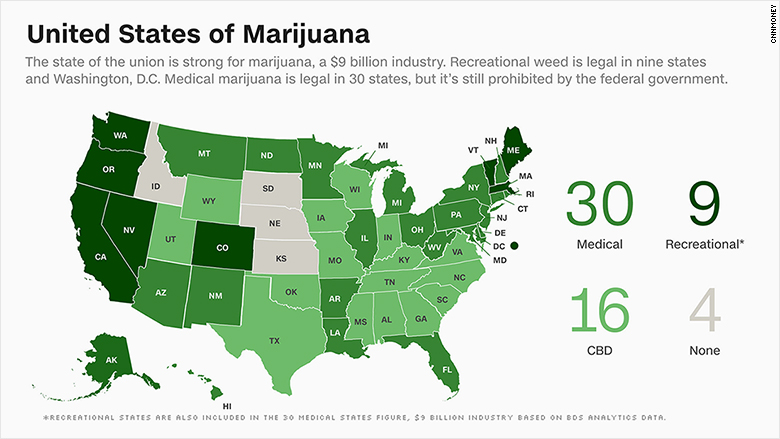
As more and more states are loosening their laws concerning the recreational or medical use of marijuana, statistics are showing that it is easier for teens to get access to the drug and that it can have more harmful side effects for young people that use, according to U.S. News.
Today, as many as 41 percent of American high school seniors have reported using natural or synthetic marijuana sometime in the past year.
Alarmingly, 71 percent of those seniors do not think that regular use is harmful to their health in the same way as other drugs or cigarettes.
Unfortunately, teenagers are an age group that is at higher risk for adverse side effects because their brains are still developing into their early twenties. The brain’s endocannabinoid system, the one affected by the THC in marijuana binding to CB1 receptors, is blocked from its normal function while under the influence and this disruption can temporarily stop certain brain growth. More worrisome is that because young people have more of these CB1 receptors, the THC can lock on longer and effects can be present days after the initial high, compounding the problem.
Although many people do not consider marijuana to be as addictive as drugs like cocaine or heroin, teenage brains can ‘learn’ to become addicted to the substance as it creates a reward circuit around the high that leads to a physical dependence that doesn’t affect adults as strongly. Adding to this problem is the fact that commercial growers have gotten very good at increasing the potency of their plants and strains exist with 33 percent THC content compared to the average of 1.5 percent in the 1970’s. Long-term use among teenagers has been linked to many irreversible problems later in life such as decreased cognitive function and increased risk for erratic emotional behavior and psychiatric disorders.

County Receives 5 More FY-27 Budget Overviews Prior to Closed Meeting on Administrator Search & Business Expansion

Belle Grove Opens March 21 With First Public Viewing of Memorial Quilts Honoring Enslaved Individuals

Iran At a Crossroads: Democracy, Monarchy, and the Lessons of the 1950s

Federal Judge Upholds Ruling That Certain Ex-Felons Should Not Automatically Lose Voting Rights

Virginia Lawmakers Explore Autonomous Technology for Transportation

Misconceptions About Multiple Sclerosis

Five Reasons to Consider a Career in the Community Sector

Frederick County Cattle Carrier Crash – Animals Still Reported At Large

‘Grow Up’: Former Republican Delegate Defends Civil-Rights-Themed Mailers in Redistricting Fight

Virginia One Step Closer to Probation Reform With Bills Headed for Spanberger’s Desk

Merit Versus Reality: Town Council Weighs Priorities Against Finance

Blue Ridge Wildlife Center Patient of the Week: American Beaver

POLICE: 7 Day FRPD Arrest Report 3/9/2026

Discover Rotary with the Rotary Club of Warren County

Maureen Cora (Cooper) Valdez (1942 – 2026)

President Trump Secures Trillions in New U.S. Investments as Companies Expand American Manufacturing

Judge Blocks Some of Trump DOJ’s Sweeping Changes to Immigration Appeals

Front Royal Women’s Resource Center to Host ‘Dare to Dream’ Luncheon March 28

Virginia’s Congressional Republicans Urge Trump Admin to Review Legislation to Tighten Oversight of VMI

Plug-In Solar Panels Near Approval by General Assembly

Civil Rights Imagery in Anti-Redistricting Mailers Draws Outrage in Virginia

What Is a Cull Animal?

New Federal Dietary Guidelines Encourage More Protein, Less Sugar

Brenda Jean Chrisman (1953 – 2025)
