
Home
The environmental impact of fast fashion
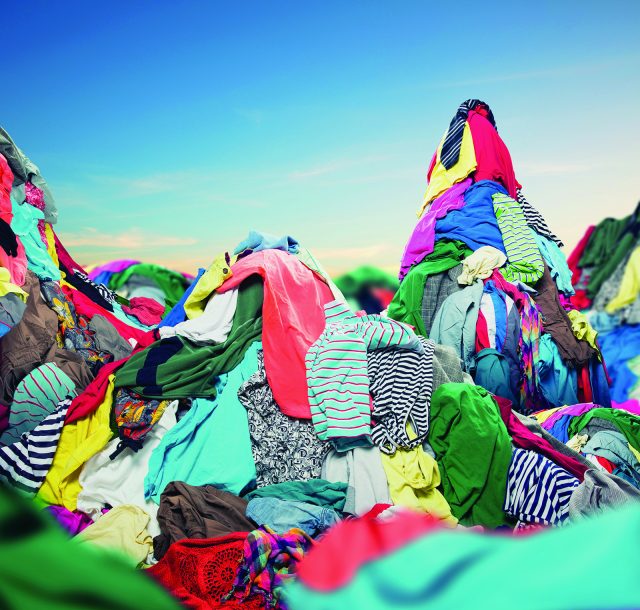
The inexpensive rapidly produced clothing sold by large retail chains that are often referred to as fast fashion carries a steep environmental cost. Here’s what you should know about it.
Water stress and pollution
The fashion industry uses a lot of water. The water footprint of a single cotton shirt, which is the total amount of water needed for its production, is approximately 650 gallons.
These companies also tend to produce their clothes in countries with more relaxed environmental regulations than Canada or the United States. This means they dump untreated wastewater into rivers people rely on. A full 20 percent of worldwide water pollution is directly caused by textile treatments and dyes.
Ocean pollution
Every time a garment made of a synthetic fiber like polyester, rayon or nylon is washed, it releases nearly 2,000 plastic microfibers. These end up in the ocean, where they enter the food chain and eventually end up on our plates.
Waste accumulation
In 2014, people bought 60 percent more clothes than they did in 2000, and since we recycle only 15 percent of our clothes, most end up in landfills. Many of these are made of synthetic textiles, which will take over 200 years to decompose.
Greenhouse gas emissions
The fashion industry accounts for 10 percent of all global greenhouse gas emissions. Production, manufacturing, and transport all factor into this. In addition, the synthetic fibers used by many brands are made from fossil fuels.
The fashion industry has a huge environmental impact. You can help mitigate this by privileging local brands and natural fibers and by buying second-hand clothing as much as possible.

Uptick in Continued Virginia General Assembly Legislation Reflects Varied Motivations

Mini Quiches with Ham and Swiss Cheese

Tips to Help Employers Sort Job Applications More Efficiently

Town Council Finishes Retreat, Considers Memorandum of Understanding with Smithsonian for Water Conservation

Spanberger Amends, Signs Sweeping Gun Legislation Reshaping Virginia’s Firearm Laws

Governor Pitches Amendments to Prescription Drug Affordability Board Bill That Some Say ‘Nullify’ It

Debate Continues Over Tax Rate as Supervisor Offers New Option

Blue Ridge Wildlife Center Patient of the Week: Eastern Fence Lizard

Joyce Henderson Banks (1941 – 2026)
Accountability Before Adjustment

Supreme Court Ruling Revives Debate Over Conversion Therapy Bans, Including in Virginia

Growing Pains: Rising Diesel, Fertilizer Costs Spurred by Iran War Impact Virginia Farmers

Virginia, Other States Make It Easier for Physician Assistants to Practice

Working Part-Time After Retirement: For the Paycheck — and the Fun

Compressed Air Safety: Why 30 PSI Is the Limit for Cleaning

ORDER OF PUBLICATION: In the Circuit Court for Warren County, Virginia

Local NAACP Recalls Segregated Criser High/Elementary School During ‘Learn From the Past for a Better Future’ Event

Virginia Revenues Top Forecast, But Economic Concerns Remain

Governor Clarifies: Proposed Tax Changes Never Became Law

Driver Runs After Crash, Caught by Police Moments Later

Debate Continues Over Tax Rate as Supervisor Offers New Option

POLICE: 7 Day FRPD Arrest Report 4/13/2026

Spanberger Joins Other Governors in Push for PJM to Prioritize Ratepayer Protections

Cannabis Testing Challenges Persist as Virginia Retail Market Nears
