
Local News
Virginia DMV Warns: Don’t Fall for the Fake Fine Text Scam
If you’ve received a text message saying you owe money for an unpaid traffic ticket, stop before you click. It’s likely a scam.
The Virginia Department of Motor Vehicles (DMV) has issued a warning about a new text message scam targeting customers across the state. Fraudsters are impersonating the DMV and sending out messages that claim recipients must pay overdue fines or risk having their driver’s license or vehicle registration suspended. The message often includes a link, which can lead to the theft of your personal information.
“The DMV will never send you text messages demanding payment for fines or fees,” said DMV Commissioner Gerald Lackey. “We urge our customers to be vigilant and avoid sending your personal information via text.”
The scam works by creating a sense of urgency. Recipients are told they must pay immediately to avoid serious consequences. But clicking on the link in the message can lead to fake websites designed to steal names, addresses, Social Security numbers, or banking information.
The Federal Trade Commission (FTC) has also issued guidelines to help the public recognize and respond to text scams like this one.
What You Should Do:
- Don’t click on any links in the message.
Even if it looks official, scammers hope you’ll act quickly without thinking. Clicking the link could expose you to phishing or malware. - Check the source.
If you’re worried the text might be real, contact the DMV directly using official contact information from the DMV’s website or a previous statement—not the phone number or link included in the suspicious text. - Report the message.
You can use your phone’s “report junk” or “report spam” feature to flag suspicious texts. You can also forward the message to 7726 (SPAM) or report it directly to the Federal Trade Commission at reportfraud.ftc.gov. - Delete the text.
Once you’ve reported it, remove it from your phone so you don’t accidentally interact with it later.
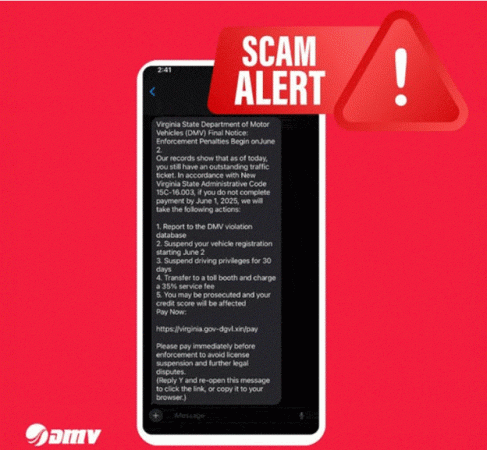
Scams like these are becoming increasingly common, especially as fraudsters use new technology to make messages look more official. In many cases, fake texts can even appear in the same message thread as real texts from government agencies or banks, making it even harder to spot the difference.
“Scammers count on people being distracted or worried,” said an FTC spokesperson. “That’s why their messages are designed to trigger a fast reaction—like fear of losing your license. But taking a minute to check before you act can protect you from identity theft or financial loss.”
The DMV and FTC are reminding all Virginians to stay cautious, especially when it comes to text messages involving money, penalties, or personal information. Government agencies like the DMV do not request payments or personal details via text.
If you’re unsure whether a message is real, go directly to the source. Visit the Virginia DMV website or call their customer service line to confirm whether there are any issues with your license or registration.
Being alert can help you avoid becoming a victim, and reporting scams helps prevent them from spreading to others. As the DMV says, “Don’t support the scam—just report it.”

Vonnie Grovine Blosser (1933 – 2026)

Front Royal VFW Unveils New Headquarters, Invites Veterans and Community to Reconnect

Sheriff Cline Introduces Major Frank Myrtle as New Chief Deputy of Warren County Sheriff’s Office

Warren County School Board Opens 2026 With New Leadership, Student Showcases, and Focus on Accountability

Still a City on a Hill: Celebrating 250 Years Of the American Experiment

Realigned County Board of Supervisors Revisit FOIA Legal Issues, Hear From An Aroused Public on Library Reinstatement

5 Essential Elements for Planning a Successful Wedding

Warren County School Board Elects 2026 Leadership

The Year of Confusion: What Did the Romans Do in January?

Dustin Blake “D-Ham” Hamilton (1996 – 2026)

Warren County Board of Supervisors Elects 2026 Leadership at Annual Meeting

In Statewide Survey, Employers Say Virginia Child Care Crisis Negatively Impacts Businesses

Commentary: Doing The Happy Dance as Social Security Pays Up

US House Backs Extension of Health Insurance Subsidies After Dems Force Vote

US Senate With GOP Support Advances War Powers Resolution Rebuking Trump on Venezuela

Tribute to an Extrordinary Local Lady and Her Nationwide Legacy

3 Must-Have Accessories to Make Winter Driving More Comfortable

Travel Planner: A Lovely Gem Hides in an Unexpected Place

The Sufficiency of a Sworn Affidavit: Town Planning Commission Favors Administrative Enforcement for Auxiliary Dwelling Units

Warren County Girls’ Basketball Team Set to Face Manassas Park This Friday

Battery Storage Bills Make a Return After Previous Vetoes

Virginia Transportation Board Transfers Rail and Trail Project Amid Public Concerns

Shenandoah River State Park Invites Public Input and Launches Expanded Programming for All Ages

Cancer Cluster Ruled Out In Southwest Virginia, Though More Data Collection Is On The Horizon
