
Local News
What is Kratom? Why does every vape shop sell it?
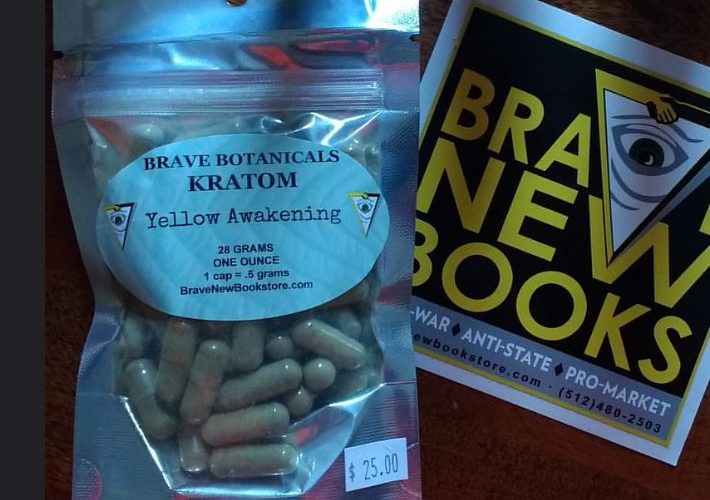
Kratom, a tropical tree native to Southeast Asia, has been used for medicinal and recreational purposes for centuries. However, its use has become controversial in recent years, with concerns about its potential risks and side effects.
While there is ongoing research into the effects of kratom, some of the reasons why it is considered dangerous include the following:
1. Addiction and dependence: Kratom contains alkaloids that can activate the brain’s opioid receptors, which can lead to addiction and dependence. Kratom withdrawal symptoms can include anxiety, irritability, insomnia, and physical symptoms such as nausea and sweating.
2. Overdose: High doses of kratom can cause sedative effects, including respiratory depression, which can be fatal. Kratom has also been associated with seizures and liver damage in rare cases.
3. Adulteration: Kratom products may be adulterated with other substances, including opioids or other drugs, which can increase the risk of adverse effects.
4. Lack of regulation: Kratom is not currently regulated by the FDA, which means that its purity and potency cannot be guaranteed. This lack of regulation also means that kratom products may not be labeled accurately, which can lead to unintentional overdose or other adverse effects.
5. Interaction with other drugs: Kratom can interact with other drugs, including prescription medications and illicit drugs, which can increase the risk of adverse effects.
It’s important to note that while kratom may have some potential medicinal uses, it should only be used under the guidance of a healthcare professional and after careful consideration of its potential risks and benefits.
So why do vape shops sell it?
While some vape shops may sell kratom products alongside other herbal products and smoking accessories, it’s important to note that the sale of kratom is not legal in all jurisdictions. In some areas, kratom is considered a controlled substance, and its sale or possession may be prohibited by law.
However, in areas where the sale of kratom is legal, vape shops may choose to sell it as a way to diversify their product offerings and attract customers who are interested in herbal products or alternative remedies. Some
Additionally, some people may use kratom as an alternative to smoking or vaping and may therefore be interested in purchasing it from a vape shop.
It’s important to note, however, that the sale of kratom may be subject to certain regulations or restrictions, and vape shops should ensure that they are complying with all applicable laws and regulations in their area. Additionally, as with any substance, it’s important for individuals to use kratom responsibly and only after consulting with a healthcare professional.
Why doesn’t law enforcement crackdown on its sale?
There could be several reasons why law enforcement agencies may not prioritize cracking down on kratom. Here are a few possible reasons:
Legal status: Kratom may be legal in many states, including Virginia, which means that law enforcement cannot take action against its possession or sale unless there are specific violations of laws related to its use.
Low priority: Law enforcement agencies may have limited resources and may focus their efforts on other drugs that are considered more dangerous or have a higher rate of abuse.
Lack of harm: Kratom is generally considered to have a low risk of harm when used responsibly, and its potential benefits may outweigh any potential risks. As a result, law enforcement agencies may not see it as a significant threat.
Limited availability: Kratom is not as widely available as other drugs, which may make it more difficult for law enforcement to crack down on its use and distribution.
It’s important to note that laws and law enforcement priorities can change over time, and this information may not be applicable in all cases or jurisdictions.
It is true that kratom is sometimes sold in vape shops and other retail stores. However, the legality of kratom can vary by state, and some states may have stricter regulations on its sale and distribution than others. Additionally, just because a product is sold in a retail store does not necessarily mean that it is legal or safe to use.
It’s important to note that while kratom is legal in many states, it has not been approved by the U.S. Food and Drug Administration (FDA) for any medical use, and there are potential risks associated with its use, including the risk of addiction, overdose, and other adverse effects. Therefore, it’s always a good idea to consult a healthcare professional before using kratom or any other herbal supplement.
Some call it “fake” marijuana
Kratom is not a form of marijuana, nor does it contain any of the psychoactive compounds found in marijuana, such as tetrahydrocannabinol (THC). Kratom is derived from the leaves of the Kratom tree, and it contains mitragynine and 7-hydroxymitragynine, which are alkaloid compounds that act on the brain’s opioid receptors to produce effects that are similar to opioids.
While some people may use kratom as a substitute for marijuana or other drugs, it’s important to note that the effects of kratom are different from those of marijuana, and it is not a substitute for medical or mental health treatment. Kratom has its own set of potential risks and side effects, and it can be addictive when used regularly or in high doses. As with any substance, it’s important to use kratom responsibly and under the guidance of a healthcare professional if needed.

Helen Elizabeth Jackson (1932 – 2026)

Proposed Legislation Seeks to Transfer VMI Governance to Virginia State University

Virginia Bill Would Exempt Nonprofits from Verifying Eligibility for Federal Aid Recipients

Virginia Senate Panel Advances Gun Safety Bills Once Vetoed by Youngkin

What Proper Process Requires: When the Agritourism Regulation Returns

Virginia State Senator Seeks to Keep Future Data Centers Away From Residential Areas

Can You Save Money on a Modest Salary? Yes—Here’s How

Bills Targeting VMI Governance Gain Traction in General Assembly

30 Years After the Navy Retired Its Last Battleship, President Trump Wants to Build Them Again

The Stages of Grief, and How to Cope

Community Breakfast at Riverton Church Serves More Than Just Pancakes

Arthur White (1942 – 2026)

Winter Blankets the Town as Residents Prepare for Another Storm

Virginia Delegate Proposes Inclusive History Education Bill for K-12 Schools

Shenandoah Downs Spring Meet Racing Applications Available Beginning February 2

In Newly Democratic Virginia, Immigration Enforcement Becomes Early Test for Spanberger

Virginia to Consider Joining States Creating Volunteer Cyber Civilian Corps

Pending Bill Could Clarify Visitation Standards for Virginia Correctional Facilities

How Couples Can Prepare for the Transition to Retirement

Decadent Three-Cheese Lasagna: A Cold-Weather Comfort Dish Made to Share

Rosa “Christine” Ross (1939 – 2026)

5 Fascinating Facts About Hydroponics

Leg Cramps Can Be Minimized — Here’s How

When “Loopholes” Are Actually Rights: The Agritourism Regulation Story
