
State News
Why Barbara Johns Belongs in the US Capitol
On Tuesday, the National Statuary Hall in the U.S. Capitol got its newest addition. Civil rights icon Barbara Rose Johns now represents Virginia, filling a vacancy that’s been open since 2020, when the commonwealth removed Robert E. Lee’s statue.
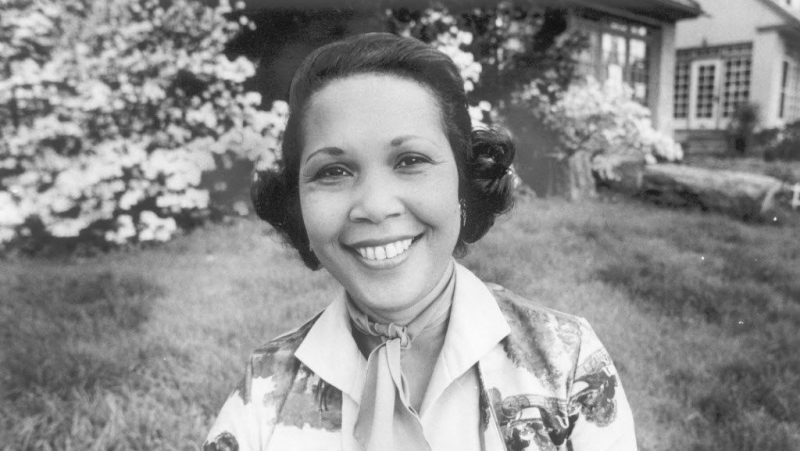
Barbara Johns, who, as a teenager, helped organize a strike to desegregate schools in Prince Edward County. (Library of Virginia)
As secretary of natural and historic resources under Gov. Ralph Northam, I helped lead the charge for this long-overdue change, working with General Assembly leaders, prominent Virginia historians, and others to create the Commission for Historical Statues in the United States Capitol and supporting the commission’s incredible work.
Governor Northam rolled the replacement of the Lee statue into a broader initiative to correct historic injustice, much of which would run through my office. “When we tell a fuller, more inclusive story of our past,” he said, “we can better address how that past affects our present. We have to understand where we come from to know where we are going.”
The initiative went beyond monuments and was driven by a host of dedicated organizations and individuals from across the commonwealth. We created a grant program for historic African American cemeteries that had been neglected for generations. We leaned into the history of Fort Monroe as Freedom’s Fortress, commemorating the 1619 African Landing at Point Comfort, the 1861 Contraband Decision, and the restoration of the Tucker Family Cemetery in Hampton’s historic Aberdeen Gardens neighborhood.
We funded expansions at the Freedom House Museum in Alexandria and exhibitions at Maymont in Richmond, telling the stories of enslaved people and of Black service workers under Jim Crow. We restored Green Pastures in Alleghany County, a recreation area built during segregation as one of the few gathering places for Black families on federal land. And we launched the Black History Month marker contest through the Virginia Department of Historic Resources.
The marker contest brought an unexpected letter.
Fourth-graders from Fairfax County wanted to know: Why doesn’t Barbara Johns have a state historical marker? They’d just learned about her — the student strike she led, how it became part of Brown v. Board of Education. They couldn’t figure out why there were countless monuments to the Lost Cause, while there was not a single marker noting John’s accomplishments. Those kids sent us 55 different submissions, all making the case for Johns.
We dedicated her marker in February 2021, on the grounds of Robert Russa Moton High School — now the Moton Museum and a National Historic Landmark — in Farmville. Speaking on the same stage where Johns addressed her fellow students and led the walkout that helped end racial segregation in our country was one of the most moving and humbling experiences of my life.
What really got me about those kids was how straightforward they were about fairness.
Barbara Johns did something that mattered. She should be recognized. Simple as that. They spotted an imbalance and wanted it fixed. For a little while, Virginia was doing the same thing. Standing up. Fixing what was broken. Choosing fairness. You don’t see that kind of clarity often these days.
Tuesday, Johns took her place in the Capitol. A Black teenager who looked at injustice and said no. It’s worth remembering, and not just because it’s history. It’s a reminder of what happens when leaders stand up for what’s right and people come together driven by purpose and courage.
We could use that reminder right about now.
by Matt Strickler, Virginia Mercury
Virginia Mercury is part of States Newsroom, a nonprofit news network supported by grants and a coalition of donors as a 501c(3) public charity. Virginia Mercury maintains editorial independence. Contact Editor Samantha Willis for questions: info@virginiamercury.com.

Virginia Home Sales Rise in February as Inventory Grows, Spring Outlook Uncertain

Bing Crosby Stadium Hosts Warren County–Skyline Baseball Battle Tonight

Warren Supervisors Address Audit Contract, Permits, and Property Sale at March 17 Meeting

Here’s How Virginia Lawmakers Suggest the Next State Budget Handle Federal Health Care Funding Fallout

Spring Essentials Checklist: Prepare Your Home for Summer

Virginia Joins National Push for Refunds After US Supreme Court Voids Trump Tariffs

Four Reasons to Consider Hiring a Professional Cleaning Company

Ask the Expert : We Are Applying for a Mortgage Soon. What Kind of Documents Will We Need?

Charles Michael “Rusty” “Chuck” Fischbein (1944 – 2026)

Jerrold E. “Jerry” Groves (1931 – 2026)

Town Planning Commission Moves Forward with Industrial Zoning, Holds Preliminary Discussion of Urban Agriculture

Schools Push for Budget Flexibility, Consistent Funding as Needs Grow

Skyline High Teams, Athletes Successful Seasons and Performances Acknowledged – Oh, and Those Roosters

School Board Seeks to Restore Meals Tax Funding for School Facilities

Wasting Drinking Water: 3 Habits to Eliminate From Your Daily Routine

Medicare Launches TEAM Program to Improve Recovery After Surgery

Izaak Walton League Promotes Conservation and Outdoor Programs at Community Forum

POLICE: 7 Day FRPD Arrest Report 3/16/2026

Blue Ridge Wildlife Center Patient of the Week: Great Horned Owl

Airline CEOs Warn of Travel Strain Amid DHS Funding Uncertainty
Robert B. Walters (1931 – 2026)

Lemmon & Hale Highlight Importance of Estate Planning for Families and Businesses

Hike Kidz Foundation Highlights Programs for Families in Need

Phoenix Project Offers Support and Resources for Victims of Abuse
