
Home
4 eco-friendly fibers
The textile industry relies heavily on ecologically suspect materials. Petroleum-based synthetic fibers like polyester, nylon, and spandex reinforce our dependency on fossil fuels. What’s more, non-organic cotton is grown using large quantities of pesticides and herbicides. These respectively account for 60 percent and 30 percent of the fibers used worldwide. Here are four greener alternatives.
1. Eucalyptus. Able to absorb moisture and inhibit bacterial growth, eucalyptus is a fantastic alternative to other types of textiles. It grows in arid soil (even that which can’t be used for much of anything else), it requires very little water and the fabric production process is environmentally friendly. However, it’s unlikely to grow in North America.
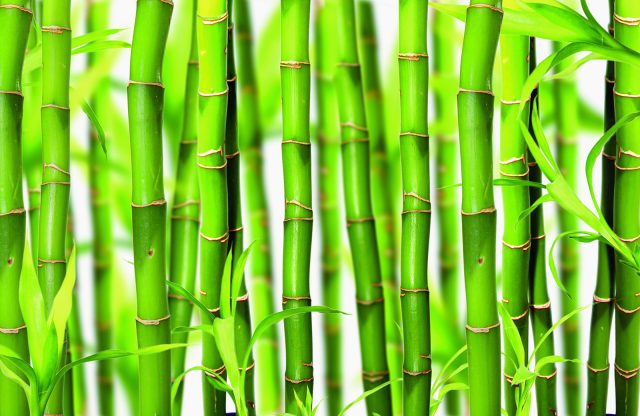
2. Bamboo. This is the fastest-growing plant on the planet, and it doesn’t need any chemical pesticides or fertilizers to thrive. It also requires a lot less water than cotton. However, it’s hard to grow in some climates and the most bamboo fabric has to be imported from China.
3. Linen. An already popular textile, linen is made from flax stems, meaning that flax production could serve the dual purpose of providing food and fabric. Linen is much stronger and more durable than cotton and flax and can be cultivated in a wide range of climates, making it a very promising source of textiles.
4. Hemp. Hypoallergenic and stronger than cotton, hemp grows quickly in almost any climate, is resistant to bugs and diseases and matures in a mere 11 weeks. It also works perfectly as part of a crop rotation system with corn and soybean, which are heavily cultivated all over North America. On the flip side, it does need to be mixed with cotton to provide a soft fabric.
While further work needs to be done, there are a number of alternatives to petroleum-based textiles and non-organic cotton that are available. Look for them in specialty stores and in the aisles of more traditional boutiques.

Data Centers in Space: Brilliant Innovation or Pie in the Sky?

6 Simple Steps to Keep Your Feet Healthy: Happy Feet = a Healthier You

League of Women Voters Marks 106 Years With Push to Empower Voters in the Valley

VDOT: Warren County Traffic Alert for February 2 – 6, 2026

DNA Modification in Oats: A Breakthrough with Widespread Benefits

Star-Studded Birthdays: Which Celebs Share Yours?

Two WCHS Juniors Aim for Virginia DECA State Office

4 Meal Types to Consider for Treating Your Wedding Guests

Virginia’s Newest Troopers Include Descendant of WWII Hero Desmond Doss

Virginia State Police Ongoing Crime Suppression Operations, Recovering Firearms, Narcotics, and Investigating Human Trafficking

Democrats Try to ‘Balance’ Renters’ Rights With Landlords’ Rights in Proposed Housing Bills

Virginia Delegate’s Bill Would Limit Where High-Voltage Transmission Lines Can Be Built

Freedom 250 IndyCar Race to Bring Speed and Spectacle to Nation’s Capital in August

What to Do and What Not to Do If You’re in a Car Collision

US Senate Poised to Send House Spending Deal in Race to Avert Partial Shutdown

Robert Glenn “Bob” Coverstone (1942 – 2026)

Trump Launches Great American Recovery Initiative to Address Addiction Crisis

Battery Technology Leading the Renewable Revolution

Children Activities by Samuels Public Library for the Month of February

Muley Fanatic Foundation’s 7th Annual Banquet Brings Conservation and Community Together
Jane Duble Riddleberger (1946 – 2026)
Sean G. “Bubba” Collins (1989 – 2026)

William “Bill” Hamilton Rhodes I (1941 – 2026)

POLICE: 7 Day FRPD Arrest Report 1/26/2026
