
Health
5 things to know about tinnitus
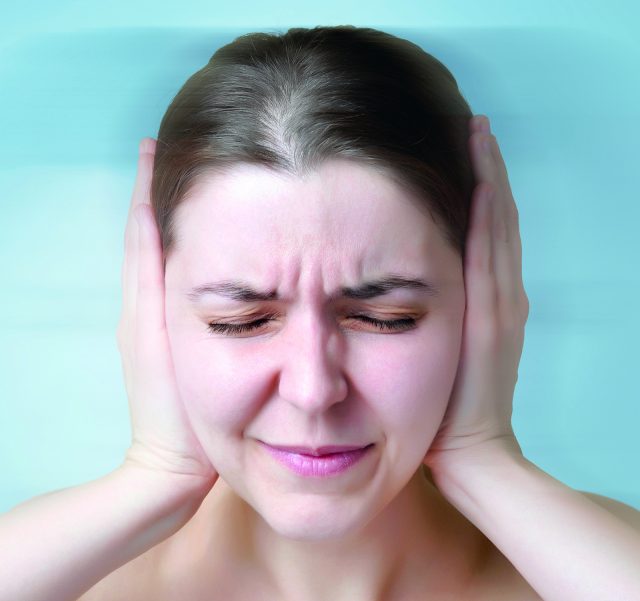
Tinnitus, which is the hearing of a sound without an external source, is a common condition affecting nearly a third of North Americans over 55. However, age-related hearing loss isn’t the only cause, and here’s what you should know.
1. It manifests in many ways. Typically described as a ringing in the ears, tinnitus can also sound like clicking, hissing, buzzing or roaring. It can also be loud or soft, low-pitched or high-pitched, continuous or intermittent and in one or both ears.
2. There are two types. In rare cases, tinnitus can be objective, meaning the noise is triggered by a physiological problem like abnormal muscle contractions in the ear region, and can be heard by a doctor during an examination. Much more frequently, however, tinnitus is subjective, meaning only the affected person can hear it.
3. It has many different causes. Tinnitus is a symptom of an underlying issue. The most common cause is hearing loss, either due to aging or to exposure to loud sounds. Other likely causes include earwax buildup and middle ear bone issues. More rarely, it can indicate vascular issues or a problem with the temporomandibular joint, where the lower jaw meets the skull. It can also be caused by a host of medications, so if you notice it, consult your doctor as soon as possible.
4. It can be treated. If tinnitus is due to a medication or an underlying condition that’s treatable, it’ll likely go away if the cause is dealt with. In other cases, environmental measures, such as fans, televisions, radios and white noise machines, can distract from the noise and reduce the anxiety and stress some people experience because of it. Cognitive-behavioral therapy has also been shown to be effective in helping people learn to live with tinnitus.
5. Stress can make it worse. Stress is likely to increase the negative psychological effects of tinnitus. For this reason, the avoidance of stressful activities and stimulants such as caffeine is often recommended.
If you think you may have tinnitus, consult your doctor. If they fail to find a cause, you’ll be referred to an audiologist.

Blue Ridge Wildlife Center Acknowledges a Quarter of a Century of Work in Wildlife Preservation & Human Education

What Does A ‘Fair Share’ Really Mean?

South Warren Ruritan Club Hosts 20th Annual Spaghetti Dinner Fuels Scholarships for Local Teens

Trees Take Root as Virginia’s Frontline Defense Against Urban Heat

Virginia Set to Rejoin RGGI as Utilities Prepare to Pass the Cost Back to Ratepayers

Virginia Joins Multi-State Lawsuit Challenging Trump’s Election Order

Trump Budget Seeks 43% Boost in Defense Spending, Cuts in Many Domestic Programs

Virginia Sees 33,000 ACA Enrollment Drop Since Subsidies Expired, More Likely on the Way

Annual Dental Checkups and Cleanings: Essential Appointments

4 Stimulating Activities for a Healthy Brain After 50
The First Amendment: America’s Unique Foundation of Freedom

How to Tackle Credit Card Debt

Summer Enrichment Camp Gives Teens Hands-On Learning Opportunities

VDOT: Warren County Traffic Alert for April 6 – 10, 2026

David Silek to Remain in Chairman’s Seat of WC Republican Committee Pending 6th District Appeal Decision

Sales Set to Bloom Like Daffodils This Spring

America 250: The Bookseller Who Helped Save the Revolution

Business Growth Series: Why Good Businesses Still Struggle to Grow

Brownies with Mini Chocolate Easter Eggs

Shenandoah Downs Opens 11th Season April 11 with Tribute to Roger Hammer

We Don’t Know Everything About DNA

How PAAS Came to Dominate the Easter Egg Dye Tradition

Spanberger Signs Bipartisan School-Safety, Student Support Bills Into Law

Melanie J. Pomeroy (1958 – 2026)
