
Local News
Blue Ridge Wildlife Center Patient of the Week: Eastern Mole

Photos / BRWC
Do we make mountains out of mole hills… over mole hills?
This Eastern Mole was brought to the Center after a domestic dog attack.
This mole presented in respiratory distress, with fluid draining from his nares. This patient was provided with pain medication and anti-inflammatories and was hand fed quickly after admission.
Most of the time, food is the last thing we consider for a critical patient, however, moles eat over half their body weight in insects per day and can quickly die when their energy supply is too low.

If a domestic animal has had contact with any wild animal (whether it’s been seen in the mouth or not), get it to a licensed rehabilitator ASAP! Crushing injuries are very common in dog attack victims and signs suggest there is significant internal bleeding. Damage is easy to do and is often not visible to the naked eye, as in the case with this patient.
Often seen as “nuisance” animals, moles and other burrowing species are extremely beneficial to our soil and ecosystem health!
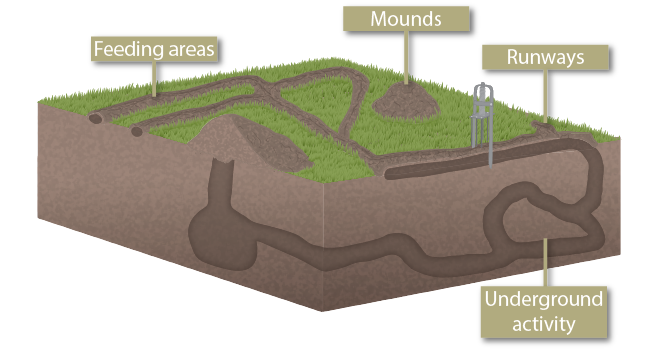
Their many tunnels help aerate the soil, their voracious appetite keeps insect populations in check.
They also serve as vital food sources for birds of prey, foxes, snakes, and more.

Looking for an easy way to help native wildlife? Become a monthly BRWC donor! For as little as $5/month, you can provide year-round, sustainable support that helps us fulfill our mission.




The End of a 20-Year Monopoly on the Credit Score

Voltron and Immigration

States OK Solar Panels for Balconies. Safety Guidelines Haven’t Caught Up
Trump TV Ads Paid for with $20M in Homeland Security Funds, Dems Find

Blue Ridge Wildlife Center Patient of the Week: Gray Treefrog

Birthday Twins: See Which Famous Face Shares Your Big Day

Meet-and-Greet Set Sunday for Republican-Endorsed Front Royal Candidates

Barbara Ann Mathews Smelser (1943 – 2026)

Kathleen Frances Elar (1956 – 2026)

Happy Creek Crossing to Hold Vendor Interest Meeting Oct. 8 in Front Royal

If the Car Name Fits, Drive It

Front Royal Begins Smoke Testing Sewer System; Residents May See Smoke Around Homes

Trump Orders Federal Agencies to Replace ‘Artificial Intelligence’ With ‘Super Intelligence’

Town-Wide Weed Spraying Underway in Front Royal Through Oct. 6

Southbound I-81 Lane Closure Near Strasburg Expected to Cause Significant Weekend Delays

Virginia Democrats Warn More Healthcare Strains Loom After November Election

Legislation to Force Virginia Traffic Camera Fine Payments Will Make ‘Nightmarish’ Court Workloads

CDC’s Latest Youth Behavior Report Offers a Narrower Look at Teen Health

News Organizations Banned from White House Accuse Trump of First Amendment Violation

Virginia Education Board Approves New Rules for Local Student Assessments

FCC Halts Automatic Approval of Verizon Plan to End Legacy Landline Service in Virginia

Women in Agriculture Continue to Face Barriers as Their Role Grows

This Week’s Showtimes at Royal Cinemas as of October 1st

Surveillance, Outdoor Dining, and Other Community Concerns at Town Council Meeting
