
Local News
Blue Ridge Wildlife Center Patient of the Week: Great Blue Heron
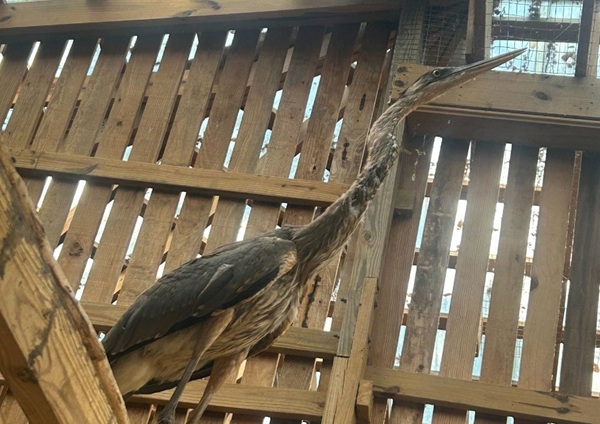
This Great Blue Heron was a lucky survivor of discarded fishing gear.
When first found, the bird had multiple hooks embedded in the right wing, across the body, and even one just behind the left eye.
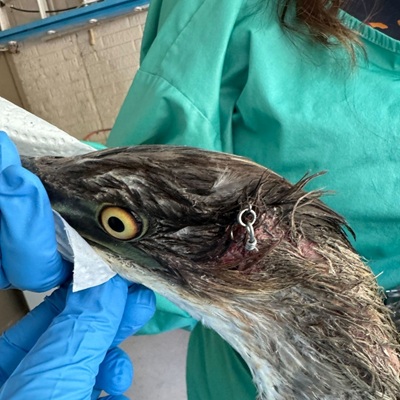
These hooks forced the heron’s head painfully to one side and prevented the right wing from extending. In this condition, the bird could neither fly nor walk straight.
Thankfully, a community member spotted the bird in distress. Loudoun County Animal Services assisted in containing it safely, and Kristi’s Caring Hands Wildlife Rehabilitation and Education transported the heron to us for treatment.

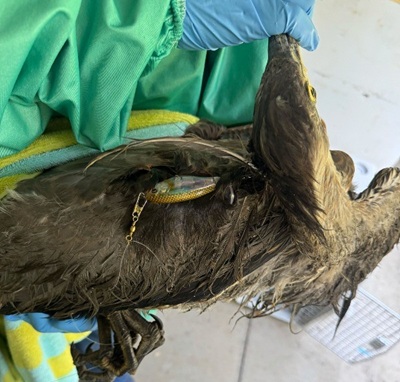
Amazingly, the wounds turned out to be superficial.
After less than a week of care, a negative avian influenza test (standard for all waterfowl/shorebirds), and successful flight testing, this heron was cleared for release!
This rescue was only possible because of teamwork across organizations and caring individuals.
Thank you to everyone who played a role—it truly takes a village!

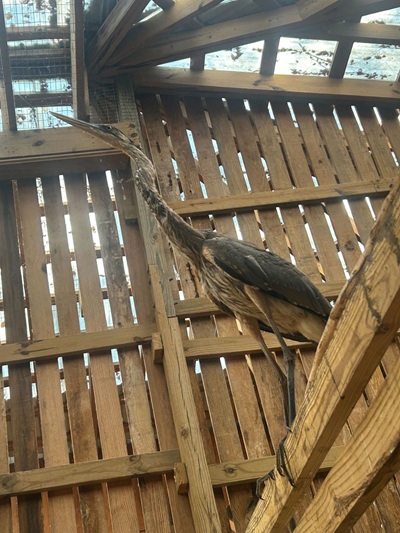
Did you know?
- Great Blue Herons are North America’s largest heron, standing up to 4.5 feet tall with wingspans of 6–7 feet.
- Despite their size, they are graceful hunters. They move slowly through shallow waters, striking fish, amphibians, and even small mammals with lightning speed.
- Their blue-gray feathers and long legs make them easy to spot, but they’re also masters of patience…often standing motionless for long periods waiting for the perfect catch.
- Great Blue Herons are year-round residents in Northern Virginia. They’re hardy birds that can withstand cold winters as long as there’s access to unfrozen water where they can fish.
Looking for an easy way to help native wildlife? Become a monthly BRWC donor! For as little as $5/month, you can provide year-round, sustainable support that helps us fulfill our mission.




Face Paint That Can Read Your Heartbeat

Leisa Wood (1961 – 2026)

GO VOTE: Because Complaining Alone Isn’t a Good Strategy

The Third Most Important Gift Is Laughter

Skates, Treats and Safety: Warren County Sheriff’s Office Foundation Pack October with Community Events

Celebrate Kids Day Returns Sept. 27 With Family Fun, Activities and a New Train Ride

Survey Finds That More Than Half of Virginia Families With Children Face Food Insecurity

Could Virginia’s New Law Allowing 1% Sales Tax for School Construction Need a Fix?

Now They Want to Rein It In

From Oil Field to Gas Pump: What Really Determines What We Pay?

When Fields Flood: How Farmers Protect Crops and Plan for the Future

Draw Your Circles: A Map of the People Who Matter

A Heartfelt Farewell and Thank You
Data Centers Are Necessary. That Doesn’t Mean Warren County Needs One

Diesel Prices Shoot Upward as Top Farm-State GOP Senator Begs Trump for Export Embargo

From One Barrel of Oil: What Do We Actually Get?

CNN, MS Now, Politico Sue Trump Over White House Ban

Virginia-Made Marine Mattress Nominated for 2026 Manufacturing Cup

Virginia Works Plans October Job and Resource Fairs in Front Royal, Winchester

UVA Health Prince William Medical Center Earns Third Consecutive Magnet Recognition

Virginia Hunger Study Finds 37% of Blue Ridge Households Faced Food Insecurity

WCHS Volleyball Hosts Manassas Park on Sept. 22

ORDER OF PUBLICATION: In the Circuit Court for Warren County, Virginia

The Papers You Would Grab in Ten Minutes
