
Automotive
A history of roads in Virginia: The 1990s – new technologies and funding infusions
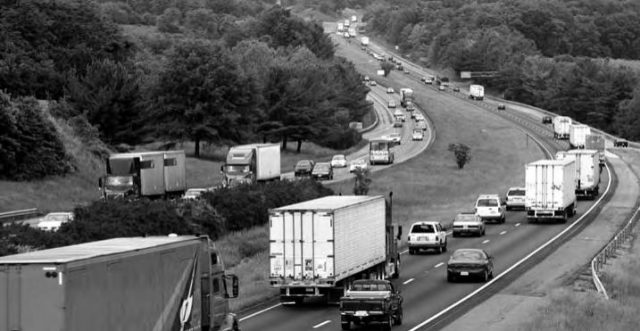
I-81 became a major north-south artery for long-haul truckers.
The 1990s brought no slowdown in the increasing needs of Virginians for mobility. Surging volumes of traffic — combined with aging highways, accelerating technological progress, and landmark legislation — brought a dynamic set of challenges to transportation in the century’s last decade. Public demands for more transportation capacity were met with dramatic increases in transportation funding and burgeoning highway construction programs. In that context, VDOT sought and implemented continuous innovation in its management and engineering programs.
From 1980 to 1990, vehicle registrations jumped from 4 million to 5 million. Miles traveled daily in Virginia leaped from 105 million to 165 million. Despite the demand for more roads and bridges, voters indicated in 1990 that they were unwilling to give up completely the “pay-as-you-go” philosophy of funding for transportation. In a referendum, they turned down a proposal to sell pledge bonds to finance highway improvements.
At the same time, the commonwealth was moving toward a more modern transportation infrastructure. In 1990 the General Assembly, at Gov. Douglas Wilder’s request, created separate secretariats for transportation and public safety, functional areas that had been combined in the past. The legislation also provided that the secretary of transportation would serve as chairman of the CTB, and the commissioner of the Department of Transportation would become vice-chairman.

Within a few months, however, the department experienced the effects of a weakening economy. The resulting loss of revenue caused VDOT to scale back maintenance, mowing, and snow plowing; and the value of construction contracts awarded for highway improvements fell 28 percent from 1990 to 1991.
By 1992 more than 100 highway projects had been delayed. In addition, maintaining and rebuilding roads — especially aging interstate highways — was becoming a special challenge. Help was on the way, however, in a new federal aid package.
Produced by the
Virginia Department of Transportation
Office of Public Affairs
1401 E. Broad Street
Richmond, VA 23219
VirginiaDOT.org



Virginia School Board Settles With Parents, Reverses Policy That Blocked LGBTQ+ Student Club

Virginia’s Federal Lawmakers Lock In On Regulating Data Centers

New Guidance Limits Voting Disqualifications to Murder, Manslaughter Convictions

Shenandoah Medical Associates Welcomes New Patients, Continues Longtime Front Royal Care

In Defense of Liberal Art

Prostate Cancer Awareness Month Puts Focus on Risk, Symptoms and Early Detection

A Smarter Way to Screen for Prostate Cancer

Boots and Bourbon Promises a Kick-Up-Your-Heels Night for Education

Blue Ridge Wildlife Center Patient of the Week: Virginia Opossum(s)

This Week’s Showtimes at Royal Cinemas as of September 18th

POLICE: 7 Day FRPD Arrest Report 9/14/2026

Selah Theatre Project Opens New Winchester Home With ‘Clue’

Shenandoah Downs Opens Seven-Week Fall Harness Racing Meet Saturday – Sept 19

Divorce Becomes Next Battleground as Virginia, Other States Debate Family Values

US Supreme Court Blocks Trump Rule Limiting Mail Voting, Sides with Dem States

Edward Ripley “Teddy” Saunders IV (1980 – 2026)

Three Business Tasks That Still Need a Human Touch

The Founding Father’s English Farmhouse

Warren County Draft Plan Targets Six Industries for Future Economic Growth

Warren County Volleyball Set to Host Sherando Wednesday Night – September 16

Century-Old Law Gives Virginia Legislator-Lawyers Broad Power to Delay Court Cases

Virginia Lawmakers Move Closer to Regulating Self-Driving Vehicles
Remembering 9/11 25 Years Later

Loudoun to Consider Data Center Pause, Removing By-Right Grandfather Clause
