
Home
A beginner’s introduction to growing vegetables
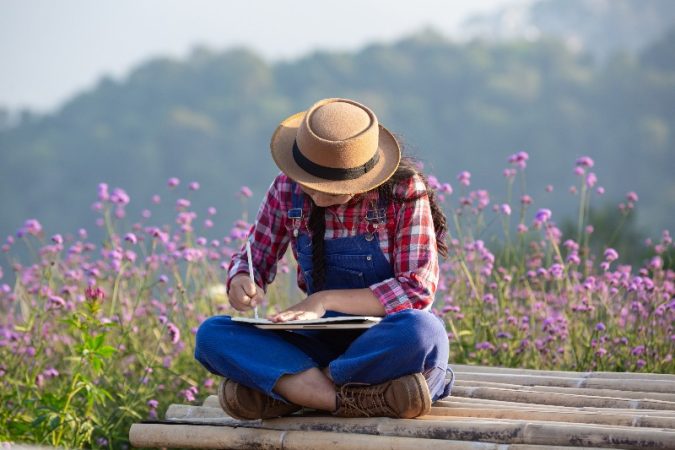
Want to grow your own vegetables but don’t have any gardening experience? No problem. Simply follow these eight guidelines to successfully start your own vegetable garden.
1. Plan your garden
Determine what materials you’ll need (gardening tools like hoes and spades, soil, fertilizer, etc.) including the seeds or plants themselves. You’ll also need to consider how much time you’re willing to devote to your garden each day. Don’t be too ambitious about how much you take on — a garden that’s too big can quickly become overwhelming.
2. Choose a location
Decide where your garden will be located and what size it will be. You should also consider whether you’ll plant your garden directly in the ground or if you’ll construct raised beds.
3. Think about sunlight
When deciding where to grow your vegetable garden, you should make sure to select a place in your yard that receives an abundance of sunlight. If you choose a location with partial shade, make sure the garden still gets at least six hours of sunlight each day.
4. Prepare the ground
Whether you’re growing vegetables in raised beds or directly in the ground, it’s important to mix the soil you’re using with compost or manure to en¬rich it with valuable nutrients. Once prepared, consider spreading the mixture over a layer of a material that promotes water drainage, such as gravel.
5. Select your vegetables
Choose vegetables that grow well in your climate and are manageable for novice gardeners. Carrots, green beans, cucumbers and zucchini are all relatively easy to grow. Other veggies, like lettuce and tomatoes, are not only undemanding but also yield large quantities of produce, making them particularly satisfying for first-time gardeners.
6. Plant carefully
Choose when to plant your vegetables with caution — wait until there’s no longer a risk for frost but before it becomes too hot. Keep in mind that the sooner you’re able to get your garden in the ground, the sooner you’ll get your first harvest. Make sure to leave plenty of space between plants to allow them adequate room to grow.
7. Water correctly
Immediately after planting, give your garden a generous watering and continue watering every few days (and more in periods of drought or extreme heat). To help plants absorb the maximum amount of water, douse them early in the morning using a low-pressure setting on your hose or sprinkler.
8. Fertilize regularly
It’s also important to add fertilizer to your garden periodically so that your plants get the nutrients they need to flourish. You can use either natural fertilizing substances, like manure or compost, or purchase a synthetic blend.
Worried about starting a garden on your own? Then visit a nearby nursery or gardening store. Your local pros will help you avoid beginner’s mistakes and show you how to get the most out
of your first vegetable garden.

Data Centers in Space: Brilliant Innovation or Pie in the Sky?

6 Simple Steps to Keep Your Feet Healthy: Happy Feet = a Healthier You

League of Women Voters Marks 106 Years With Push to Empower Voters in the Valley

VDOT: Warren County Traffic Alert for February 2 – 6, 2026

DNA Modification in Oats: A Breakthrough with Widespread Benefits

Star-Studded Birthdays: Which Celebs Share Yours?

Two WCHS Juniors Aim for Virginia DECA State Office

4 Meal Types to Consider for Treating Your Wedding Guests

Virginia’s Newest Troopers Include Descendant of WWII Hero Desmond Doss

Virginia State Police Ongoing Crime Suppression Operations, Recovering Firearms, Narcotics, and Investigating Human Trafficking

Democrats Try to ‘Balance’ Renters’ Rights With Landlords’ Rights in Proposed Housing Bills

Virginia Delegate’s Bill Would Limit Where High-Voltage Transmission Lines Can Be Built

Freedom 250 IndyCar Race to Bring Speed and Spectacle to Nation’s Capital in August

What to Do and What Not to Do If You’re in a Car Collision

US Senate Poised to Send House Spending Deal in Race to Avert Partial Shutdown

Robert Glenn “Bob” Coverstone (1942 – 2026)

Trump Launches Great American Recovery Initiative to Address Addiction Crisis

Battery Technology Leading the Renewable Revolution

Children Activities by Samuels Public Library for the Month of February

Muley Fanatic Foundation’s 7th Annual Banquet Brings Conservation and Community Together
Jane Duble Riddleberger (1946 – 2026)
Sean G. “Bubba” Collins (1989 – 2026)

William “Bill” Hamilton Rhodes I (1941 – 2026)

POLICE: 7 Day FRPD Arrest Report 1/26/2026
