
Home
A guide to ergonomic gardening tools
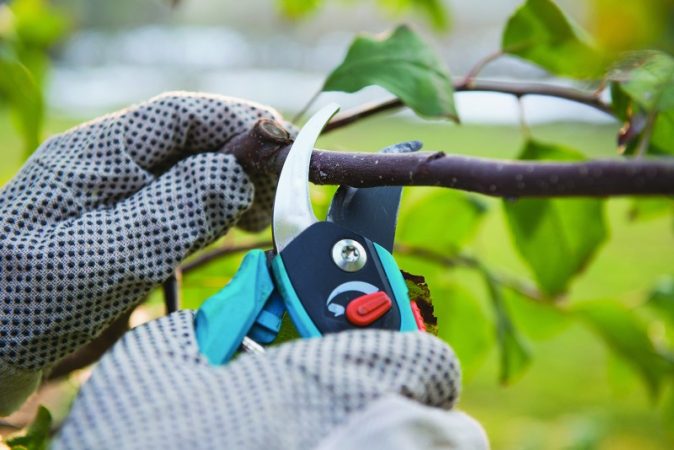
Gardening has a number of health benefits. It can improve your joint flexibility, increase your bone density and broaden your range of motion. However, you need to be careful not to put excessive strain on your muscles and joints. So how do you protect yourself against overexertion and injuries? One simple solution is to use ergonomic gardening tools.
What are ergonomic gardening tools?
Ergonomic gardening tools place little strain on joints, muscles and tendons. Due to the way they are designed, they conform to the natural movements of the human body and respond to each user’s particular needs.
Things to look for in ergonomic gardening tools
Depending on the specific tool and on your personal requirements, consider one or more of these features when purchasing a new garden tool.
• Height or adjustability. Long-handled tools and handle extenders can help you keep your back straight. In particular, use hoes, spades and rakes that can be adjusted to your height.
• Weight. Use tools that are lightweight but also sturdy. The heavier the tool, the more strain it puts on your muscles.
• Grip. Look for handle grips that are soft but firm and that have a comfortable thickness. Ensure they’re made with non-slip and weatherproof materials.
• Assistive features. Some tools have features that reduce the amount of force needed on your part. For instance, you can get spring-loaded forks, spades or shears. Or you can get tools with forearm braces, which protect the wrist by ensuring that the larger arm muscles do most of the work.
When shopping for ergonomic gardening tools, it’s best to shop offline. That way you can test the feel of the tools and ensure they’re well suited to your needs.
In addition to using good equipment, wise gardeners pace themselves. This means switching tasks at least every 30 minutes and taking 15-minute breaks every hour.

James Christopher “Chris” Sain (1948 – 2026)
Alice “Maybelle” Henson (1938 – 2026)

How Sleep and Stress Affect Cancer Risk

Spanberger Signs Sweeping Public Safety and Gun Violence Bills

Horses, Fans Return as Shenandoah Downs Season Begins

Skill Games Halted Again as Spanberger Issues Veto

VDOT: Warren County Traffic Alert for April 13 – 17, 2026

The Cat Who Outlasted Six Prime Ministers

Front Royal, Virginia. Vacation Destination?

Virginia State Police Report Major Drug Seizures in Weekly Crime Suppression Effort

Virginia Secures Birth Control Access as Other Southern States Eye Abortion Pill Manufacturers

SCC Approves Loudoun Transmission Line, Nixes Undergrounding; Final Route to be Determined

Slate of New Virginia Laws Address Health Care and Housing Affordability
James J. Coverston Sr. (1942 – 2026)

Business Growth Series: Your Biggest Problem Isn’t Competition — It’s Being Overlooked

Why Many Experts Say a Concussion Should Be Called a Brain Injury

Missouri Man Arrested in Undercover Operation Targeting Online Crimes Against Children

Trump Tax Plan Credited With Higher Refunds, Lower Taxes

Spanberger Vetoes Fairfax Casino Bill, Citing Local Opposition

Blue Ridge Point-to-Point Races Return Saturday at Woodley Farm

Legislative Effort to Buy Monroe’s Loudoun Estate on Pause, Budget Effort Underway

US House Democrats Call for Congress to Come Back Into Session for Iran War Debate

Virginia to Raise Minimum Wage to $15 by 2028 Under New Law

Spanberger Signs Bills to Aid Low-Income Utility Customers, Manage Power Demand
