
Health
Answering common questions about medical alert systems
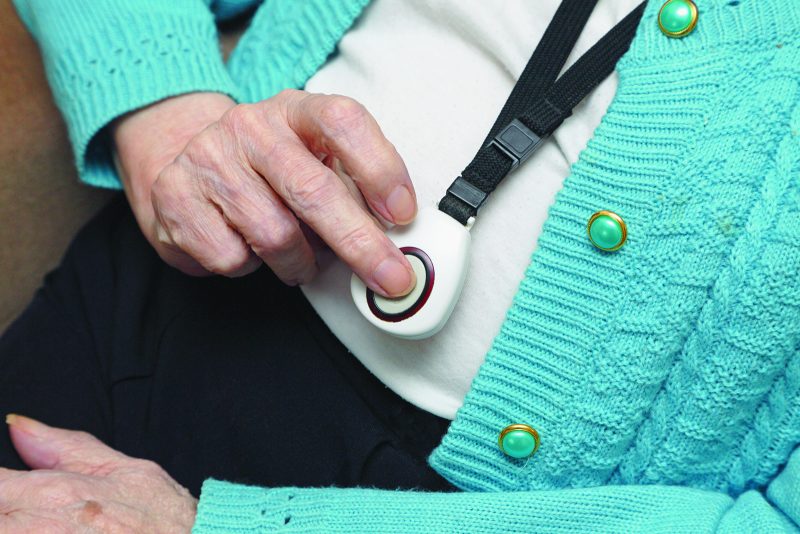
Using a medical alert system, also known as a personal emergency response system, is a great way to make living alone less stressful. Here’s what you should know.
What are they?
Medical alert systems are subscription-based services that allow you to contact an emergency response center with the press of a button. Basic models connect to your landline and include a portable alert button as well as a base unit that acts as a speakerphone. The alert button is usually worn as a pendant or a bracelet and some types can detect falls.
How do they work?
Medical alert systems can either be monitored or unmonitored. If your system is monitored, pressing the button on your wearable device or base unit will connect you with a live agent. If you request help, they’ll dispatch emergency responders to your location. If you’re unable to answer, they’ll either try to reach someone on your contact list and/or emergency services. Unmonitored systems will dial a pre-programmed list of phone numbers, including 911, and deliver an automated message.
What are the different types?
There are two types of systems: in-home and mobile. In-home systems are ideal if you tend to stay at home and can either work with your landline or a cellular network. Mobile models are better for those with active lifestyles.
How expensive are they?
Most service providers offer no-contract monthly subscriptions, although you can often get a discount for making a longer commitment. In-home services are the most affordable option and run between $25 and $45 per month, depending on the features selected. Mobile systems range from $65 to $75 per month and sometimes require a one-time activation fee. Some insurance policies cover the costs of medical alert systems, and there are charitable organizations that may help seniors who can’t afford them. You should also consult your tax professional, as these systems are considered medical expenses by the IRS.

Blue Ridge Wildlife Center Acknowledges a Quarter of a Century of Work in Wildlife Preservation & Human Education

What Does A ‘Fair Share’ Really Mean?

South Warren Ruritan Club Hosts 20th Annual Spaghetti Dinner Fuels Scholarships for Local Teens

Trees Take Root as Virginia’s Frontline Defense Against Urban Heat

Virginia Set to Rejoin RGGI as Utilities Prepare to Pass the Cost Back to Ratepayers

Virginia Joins Multi-State Lawsuit Challenging Trump’s Election Order

Trump Budget Seeks 43% Boost in Defense Spending, Cuts in Many Domestic Programs

Virginia Sees 33,000 ACA Enrollment Drop Since Subsidies Expired, More Likely on the Way

Annual Dental Checkups and Cleanings: Essential Appointments

4 Stimulating Activities for a Healthy Brain After 50
The First Amendment: America’s Unique Foundation of Freedom

How to Tackle Credit Card Debt

Summer Enrichment Camp Gives Teens Hands-On Learning Opportunities

VDOT: Warren County Traffic Alert for April 6 – 10, 2026

David Silek to Remain in Chairman’s Seat of WC Republican Committee Pending 6th District Appeal Decision

Sales Set to Bloom Like Daffodils This Spring

America 250: The Bookseller Who Helped Save the Revolution

Business Growth Series: Why Good Businesses Still Struggle to Grow

Brownies with Mini Chocolate Easter Eggs

Shenandoah Downs Opens 11th Season April 11 with Tribute to Roger Hammer

We Don’t Know Everything About DNA

How PAAS Came to Dominate the Easter Egg Dye Tradition

Spanberger Signs Bipartisan School-Safety, Student Support Bills Into Law

Melanie J. Pomeroy (1958 – 2026)
