
Local News
Blue Ridge Wildlife Center Patient of the Week – Eastern Cottontail
It’s Baby Bunny Season! This young patient is 1 of 29 eastern cottontails we treated in just the past week.

Photos / Blue Ridge Wildlife Center
Last year, we treated 468 eastern cottontails at the Center. The top causes for admission in this species are being attacked by a cat (26%), being attacked by a dog (16%), orphans (11%), and lawnmower/weed-whacker accidents (6%).
Many of these injuries can be prevented by protecting nests, keeping pets indoors or on a leash when outside, and checking before you mow!
Not all young bunnies that you find need to be brought in for care – letting them be raised by mom is always the best option. Mom only feeds her babies twice per day around dawn and dusk. Just because you do not see a mother over the course of a 12-hour period, it does not mean those babies are orphans. Mom won’t return if you’re watching nearby, so give the nest some space!
If you find cottontails and you are concerned, refer to our flow chart to see what you should do. You can always call us at 540-837-9000 if you have any questions or concerns.
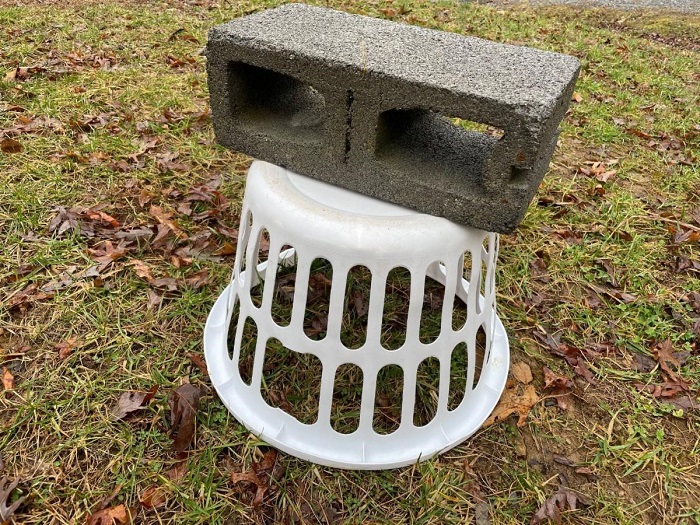
Found a nest in your yard and you have pets? Baby bunnies only stay in the nest for 4-5 weeks, so consider walking your dog or cat on a leash during that time to protect the nest. If that doesn’t work, you can try using a laundry basket to protect the nest! There only needs to be a softball-sized entrance (created by cutting to combine two holes in this basket) for mom to enter/exit. For small dogs, an upside-down laundry basket may suffice. For slightly larger dogs, you may need to add weight to the top of the basket. The laundry basket solution does not work for cats so please keep your pet cats inside or walk them on a leash to protect wildlife!
Found a bunny? Click here for advice from Blue Ridge Wildlife Center.

Virginia State Police Urge Sober Plans for Saint Patrick’s Day Celebrations

In a One-Party County, Internal Party Decisions Affect Us All

Virginia State Police Seize Nearly 100 Pounds of Narcotics, Recover Firearms in Weekly Crime Suppression Effort

Barton Charles “Bart” Haller (1940 – 2026)

Dawn Lee Dodson (1970 – 2026)

Mary Helen “Nanny” Spires Johnt (1954 – 2026)

Another Round of ‘Momnibus’ Bills Are Headed Towards the Governor This Year

Virginia Joins States Challenging Trump Admin Regulations That Limit Free Birth Control Access

Update: Charlotte Swanson Smith (1951 – 2025)
Why We are Challenging the Republican Mass Meeting

Bruce Norman Showman (1954 – 2026)

EDA Relaunches Small Business Loan Program to Help Warren County Entrepreneurs Access Capital

Targeted Exercises to Improve Your Putting

The Hidden Risks of House Hunting Solely Online

Choosing the Right Cleaner for Every Surface in Your Home

New Church Among Consent Items at County Planning Commission Meeting

Warren County GOP Mass Meeting Results Challenged After Allegations of Voting Irregularities

‘This Is About Equity’: In Richmond, Virginia Workers, Lawmakers Push for Inclusive Labor Rights for All

After Five Years of Attempts, Virginia On Track to Set Up a Prescription Drug Affordability Board

New Drug Take-Back Box at Warren County Sheriff’s Office Offers Safe Way to Dispose of Medications

‘Feeding Our Neighbors’ Continues Local Effort to Provide Free Meals in Front Royal

Blair David Eller (1963 – 2026)

Writing Workshop at Samuels Public Library Aims to Help Community Communicate More Clearly

Simple Steps to Reduce Wildfire Risk Around Your Home
