
Food
Fats: the good, the bad and the oily
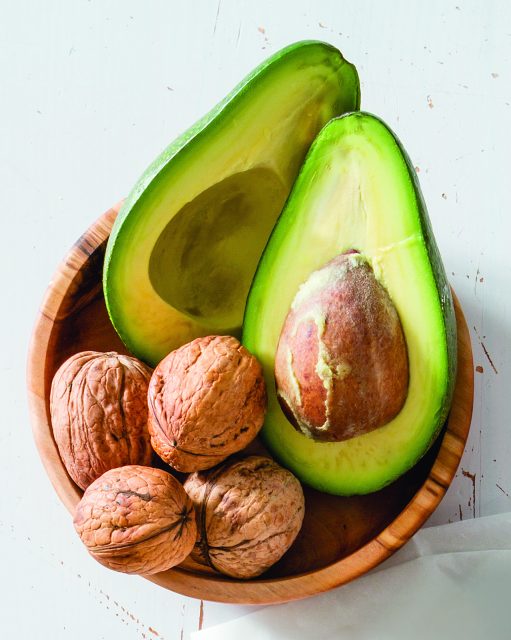
Dietary fats provide your body with energy and insulation, aid with vitamin absorption and support bodily functions. While some fats are essential, others have severe health risks. Here’s what you should know about the various types of fats.
• Trans fats can raise the level of bad cholesterol, provoke inflammation and increase the risk of cardiovascular disease and diabetes. Hydrogenated vegetable oil, a major source of artificial trans fat, was frequently found in processed and deep-fried foods. As of June 2018, the Food and Drug Administration banned food manufacturers from using it. Small amounts of natural trans fat are present in meat and dairy products.
• Saturated fats occur naturally in animals and provide many of the same benefits as healthy fats. However, a diet rich in saturated fat increases bad cholesterol and the risk of cardiovascular disease. The American Heart Association recommends limiting saturated fat to roughly five percent of your daily caloric intake. Sources of saturated fat include fatty cuts of red meat, dark chicken meat, poultry skin and high-fat dairy products.
• Unsaturated fats are healthy fats containing vitamin E, an antioxidant that helps protect cells. When consumed instead of trans and saturated fats, unsaturated fats help regulate cholesterol levels and prevent cardiovascular disease. Some types of unsaturated fats, particularly polyunsaturated fats, are essential to normal body functioning. They play a role in blood clotting, blood pressure regulation and immune and nervous system function. Nuts, seeds, avocado, fatty fish and various plant-based oils contain high amounts of unsaturated fats.
Fats are a necessary component of a healthy diet. They’re also a major source of calories. Make sure you’re balancing your fat intake with sufficient fruits, vegetables, whole grains and proteins.

Virginia Bill to Boost Local Approvals of Solar Projects Advances

Cockroach to the Rescue?

Partial Federal Government Shutdown Begins, Amid Hopes It Won’t Last Long

Between Book Signings and Wine Tastings, I Saw Something I Can’t Explain

Spaghetti Carbonara: A Simplified Take on the Roman Classic — Rich, Creamy, and Ready in Mnutes

Data Centers in Space: Brilliant Innovation or Pie in the Sky?

6 Simple Steps to Keep Your Feet Healthy: Happy Feet = a Healthier You

League of Women Voters Marks 106 Years With Push to Empower Voters in the Valley

VDOT: Warren County Traffic Alert for February 2 – 6, 2026

DNA Modification in Oats: A Breakthrough with Widespread Benefits

Star-Studded Birthdays: Which Celebs Share Yours?

Two WCHS Juniors Aim for Virginia DECA State Office

4 Meal Types to Consider for Treating Your Wedding Guests

Virginia’s Newest Troopers Include Descendant of WWII Hero Desmond Doss

Virginia State Police Ongoing Crime Suppression Operations, Recovering Firearms, Narcotics, and Investigating Human Trafficking

Democrats Try to ‘Balance’ Renters’ Rights With Landlords’ Rights in Proposed Housing Bills

Virginia Delegate’s Bill Would Limit Where High-Voltage Transmission Lines Can Be Built

Freedom 250 IndyCar Race to Bring Speed and Spectacle to Nation’s Capital in August

What to Do and What Not to Do If You’re in a Car Collision

US Senate Poised to Send House Spending Deal in Race to Avert Partial Shutdown

Robert Glenn “Bob” Coverstone (1942 – 2026)

Trump Launches Great American Recovery Initiative to Address Addiction Crisis

Battery Technology Leading the Renewable Revolution

Children Activities by Samuels Public Library for the Month of February
