
Automotive
Top 5 driver-assistance technologies
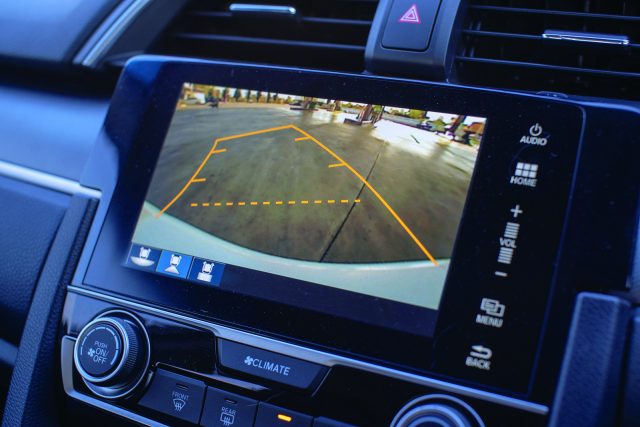
Driver-assistance technologies contribute to your safety on the road. Here are five handy features available in many newer cars.
1. Traction control
This technology is designed to prevent loss of traction when the car is accelerating. It senses when one wheel is spinning faster than the others and automatically engages the brake on that wheel. This is a useful feature to have in winter driving conditions when a loss of traction can cause the car to slide.
2. Blindspot detection
This feature uses sensors to monitor the sides and rear of the car and alert the driver when another car enters into their blind spot. Most systems warn the driver of the potential hazard with a flashing light mounted on the side-view mirrors or rear-view mirror. However, some systems use audio alerts or cause the steering wheel or driver’s seat to lightly vibrate.
3. Automatic emergency braking
This technology detects upcoming obstacles and automatically reduces the car’s speed or brings it to a stop when there’s a risk of collision. The sensors are able to detect slowed and stopped traffic and, in more advanced systems, pedestrians, cyclists, and large animals.
4. Lane departure warning
These systems detect the lines on the road and warn drivers anytime they move out of their lane without using the turn signal. Some systems use flashing lights on the dashboard to alert the driver, while others use a vibrating steering wheel or driver’s seat.
5. Backing aids
These systems detect objects in the car’s path when it’s reversing and alert the driver using a warning light or warning sound. Some newer cars also have a backup camera, which gives the driver a clearer view of the obstacles behind the car.
Some additional driver-assistance technologies worth asking your local car dealer about are adaptive cruise control, driver monitoring and adaptive lighting.

Fairfax Case Alleging School-Assisted Abortions Now in Federal Court

Virginia Bill to Boost Local Approvals of Solar Projects Advances

Cockroach to the Rescue?

Partial Federal Government Shutdown Begins, Amid Hopes It Won’t Last Long

Between Book Signings and Wine Tastings, I Saw Something I Can’t Explain

Spaghetti Carbonara: A Simplified Take on the Roman Classic — Rich, Creamy, and Ready in Mnutes

Data Centers in Space: Brilliant Innovation or Pie in the Sky?

6 Simple Steps to Keep Your Feet Healthy: Happy Feet = a Healthier You

League of Women Voters Marks 106 Years With Push to Empower Voters in the Valley

VDOT: Warren County Traffic Alert for February 2 – 6, 2026

DNA Modification in Oats: A Breakthrough with Widespread Benefits

Star-Studded Birthdays: Which Celebs Share Yours?

Two WCHS Juniors Aim for Virginia DECA State Office

4 Meal Types to Consider for Treating Your Wedding Guests

Virginia State Police Ongoing Crime Suppression Operations, Recovering Firearms, Narcotics, and Investigating Human Trafficking

Democrats Try to ‘Balance’ Renters’ Rights With Landlords’ Rights in Proposed Housing Bills

Virginia Delegate’s Bill Would Limit Where High-Voltage Transmission Lines Can Be Built

Freedom 250 IndyCar Race to Bring Speed and Spectacle to Nation’s Capital in August

What to Do and What Not to Do If You’re in a Car Collision

US Senate Poised to Send House Spending Deal in Race to Avert Partial Shutdown

Robert Glenn “Bob” Coverstone (1942 – 2026)

Trump Launches Great American Recovery Initiative to Address Addiction Crisis

Battery Technology Leading the Renewable Revolution

Children Activities by Samuels Public Library for the Month of February
