
Local News
Unfair Government Harassment? – Local Grief with the Planning Department
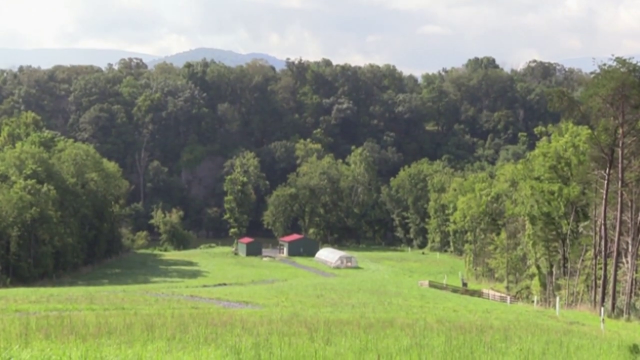
Overlooking the Mendes farm
In an exclusive interview with Nelson Mendes, Royal Examiner reporters learned of a history of possible harassment from the County Planning Department targeting Mendes and his next steps to move forward with an appeal.
Nelson Mendes came to Thunderbird Farms to fulfill a dream of owning and operating a tree nursery. Seeking a quieter life from the Northern Virginia area, Mendes and his wife obtained land, cleared trees and started working. Two buildings, storage garages, were already on the property when it was purchased. A hoop house, a kind of temporary greenhouse, has been constructed to aid in the growing of young trees. The large garage has been on the property for four years, and the small garage has been there for three and a half years. In all that time, these structures where not cited for violations.
Then problems came out of nowhere.

The difficulties started when a neighbor complained about Mendes clearing trees from the lot. Mendes claims that this shouldn’t be a concern, as he has agricultural plans for the land. He is using it to grow trees after all.
Mendes didn’t believe he needed a land disturbance permit because his property was agriculturally zoned; however, when he realized he would need one and turned to the county the real trouble began. Mendes was denied his permit because he needed to go through a “thorough review process” which included an erosion and sediment control plan. This led to frustrations as Mendes was cited again and again for buildings which did not follow this erosion and sediment plan, most of which pre-existed Mendes’s ownership of the property.
When the Department of Environmental Quality (DEQ) was sent to review Mendes’s property, they deemed the erosion and settlement plan unnecessary as the land was already safe against erosion. The head of the County Building Code Department, David Beahm, attempted to overrule the State ruling but was shut down by a DEQ supervisor. Mendes proceeded to move forward with working his farm; however, on January 16, 2019, Mendez received a letter of violation from the County Building Code Department on all his structures.
One of the issues was the dock, another structure previously built on the property. Mendes had added a small ramp for launching kayaks and canoes which raised issues. Mendes was reported to the Virginia Marine Resource Commission (VMRC) for the violation concerning the ramp, but again, as with the DEQ, the supervisor at VRMC found no problems with the structure.
Mendes, under the advice given to him by the County Planning Department, filed for several agricultural exemption for the properties that were cited as violating the zoning ordinance. Per a Zoning Determination Letter sent to Mendes on May 1, 2019, the Zoning Administrator found that his Agricultural Exemption Applications, which would have exempted him from obtaining a “zoning permit” were not approved because they lacked residential building permits for the garages and the hoop house.
At this point Mendes began seriously questioning the motives of the County Department and its aggressive nature towards his pursuit of tree farming. Mendez contacted the previous owner, a lawyer, who began to investigate. Since purchasing the property, Warren County officials have referred Mendes’ property to third-party regulatory agencies (DEQ, MRC, FEMA) on three occasions. Two out of three of those occasions resulted in agencies finding that Mendes did not need to take any further action (i.e. DEQ and MRC) whereas FEMA merely required that Mendes install flood-vents on his structures. So why, Mendes wondered, why was he being targeted so harshly.
Mendez researched and determined that his properties were, to the his best understanding, not in violation of any codes established from the state level down to the local. The county website specifically stated that buildings in an agricultural zone and used for agricultural purposes did not require permitting he was told he required. WCC § 180-21 under section A of General Legislation, states “In addition to agricultural pursuits, any one of the following uses is permitted by right on each lot or each tract or combination tracts in the Agricultural District.” Due to the fact that the Mendes property is zoned Agricultural, this regulation, or lack thereof, would appear to apply. In addition, the previous owner had already been approved for one of the structures; a 500 square foot garage.
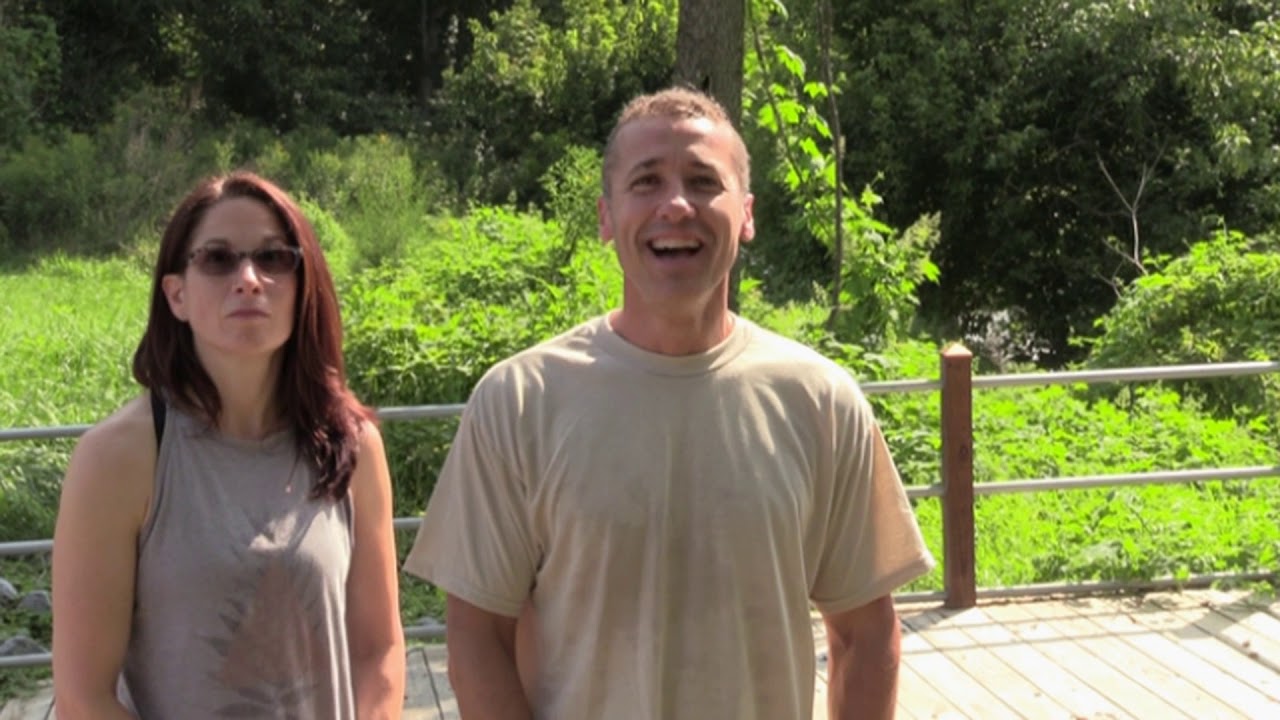
Seeking information by his right under the Freedom of Information Act (FOIA), Mendes found that in the original letter of violation, his property was part of a county-wide flood plain observation. When he inquired how many properties were involved under this observation, he learned his property was the only one cited with a violation. In fact, Mendes has been the only property charged for violating WCC § 180-16(F)(1)(A) within a six-month period.
Mendes also believes that some questionable actions occurred with the County listing his ramp as a violation. Due to the ramp being so small and his property being at a steep incline, the only way to even know the ramp was there would be to swim upstream or trespass onto the property. Even from the aerial photographs, the ramp is not visible unless you know to look for it. Mendes maintains Fourth Amendment search concerns related to this matter.
Other questionable charges include the request for flood vents on the hoop house and the garages. The hoop house is made of steel mesh and the garages have large open doors in addition to being anchored in concrete, making all three structures flood proof. These charges baffled Mendes.
Mendes is now seeking action by appealing to the Board of Zoning Appeals (BZA) on September 5. In accordance with the Right to Farm Act, he is fighting for his right to run his farm how he needs to run it under what his research has shown are within State guidelines.
When asked for comment, Mr. Joe Petty from the Planning Department stated that “From the Planning Department’s perspective, we’ve don’t nothing wrong. This is nothing personal against Mr. Mendes, we simply have a code to enforce and those standards apply to him as they would to anyone else.” Mr. Petty clarified the Planning Department’s side of the issue on several accounts. At the time that the initial letter of violation was sent to Mr. Mendes, his property was the only one being observed. However, since an August 1st meeting, over 50 such letters have been sent out to other properties in the flood plane. In addition to this, Mr. Petty clarified that much of the information gathered that brought violation charges on Mr. Mendes’ structures was obtained by use of the geographic information system (GIS) available to public viewing on warrengis.org. This would explain the Planning Department’s ability to cite structures such as the ramp without being on the property.
Mendes’s next step is a hearing that will contest the County’s requirements that Mendes build his structures to residential standards. He hopes this will lead to a change in the County’s aggressive approach towards him, as well as other businesses for building code enforcement.
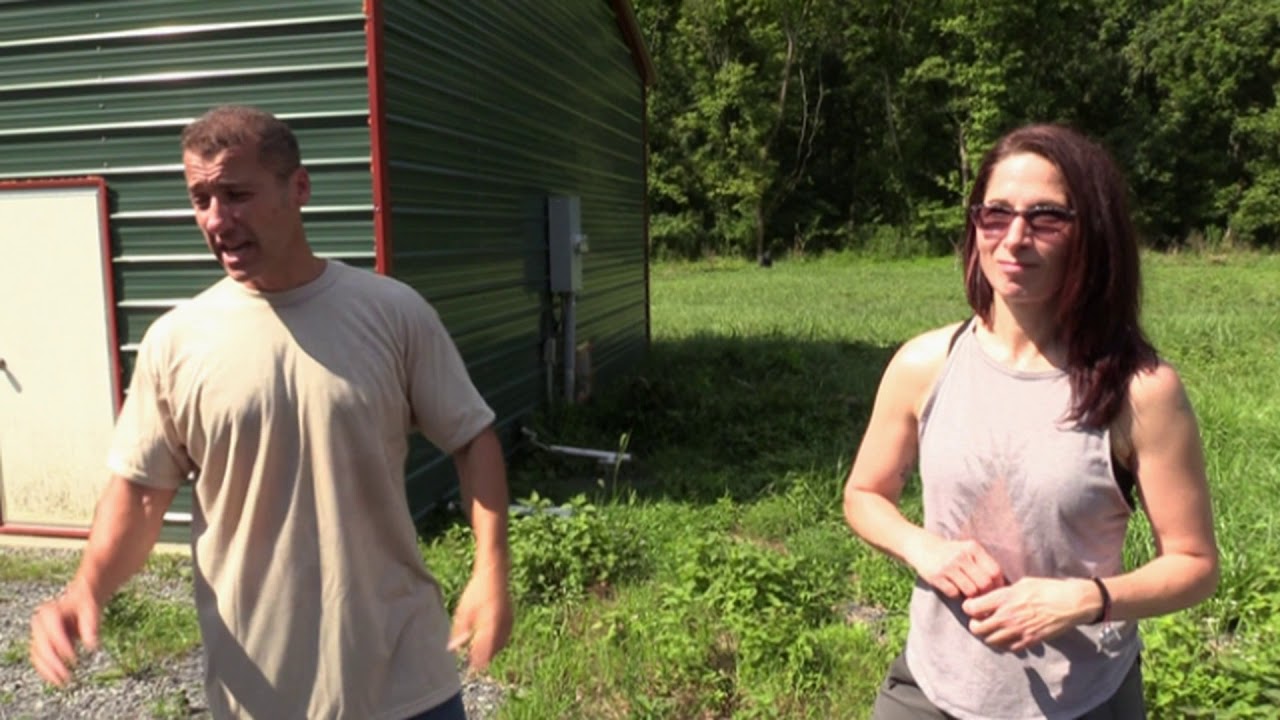
Since the Royal Examiner interviewed Nelson Mendes, he has received additional FOIA information he requested from the County. His attorney, Tim Johnson, says it appears that upon a preliminary review it demonstrates that the Planning Department really did selectively target Mr. Mendes.
Even the other floodplain properties, including one other agricultural zoned property with non-permitted structures on it, went through a completely different process than Mr. Mendes: (1) received notices of zoning inspection; (2) had the property reviewed on-site by officials; (3) if any issues, THEN they received the notice of violation AND specific suggestions to be corrected.
Mr. Mendes was only ever cited with violations first, had officials come out to his property 3-4x with no clear guidance at each visit, then still be found in violation when he did do the one thing he was specifically told to do: install the flood vents.
If this case was really about ‘enforcing the code’, and the officials really had any concerns about the property, they had unlimited opportunities to meaningfully address those concerns and work with Mr. Mendes to resolve them to both his benefit as a well-intentioned property owner in Warren and to their benefit to ensure safety.
Whether or not Mendes’ appeal moves forward is yet to be seen, as more information has yet to be provided to the BZA. All will be made clear at the appeal meeting that will be held on September 5th.

League of Women Voters Marks 106 Years With Push to Empower Voters in the Valley

VDOT: Warren County Traffic Alert for February 2 – 6, 2026

DNA Modification in Oats: A Breakthrough with Widespread Benefits

Star-Studded Birthdays: Which Celebs Share Yours?

Two WCHS Juniors Aim for Virginia DECA State Office

4 Meal Types to Consider for Treating Your Wedding Guests

Virginia’s Newest Troopers Include Descendant of WWII Hero Desmond Doss

Virginia State Police Ongoing Crime Suppression Operations, Recovering Firearms, Narcotics, and Investigating Human Trafficking

Democrats Try to ‘Balance’ Renters’ Rights With Landlords’ Rights in Proposed Housing Bills

Virginia Delegate’s Bill Would Limit Where High-Voltage Transmission Lines Can Be Built

Freedom 250 IndyCar Race to Bring Speed and Spectacle to Nation’s Capital in August

What to Do and What Not to Do If You’re in a Car Collision

US Senate Poised to Send House Spending Deal in Race to Avert Partial Shutdown

Robert Glenn “Bob” Coverstone (1942 – 2026)

Trump Launches Great American Recovery Initiative to Address Addiction Crisis

Battery Technology Leading the Renewable Revolution

Children Activities by Samuels Public Library for the Month of February

Muley Fanatic Foundation’s 7th Annual Banquet Brings Conservation and Community Together
Jane Duble Riddleberger
Sean G. “Bubba” Collins (1989 – 2026)

William “Bill” Hamilton Rhodes I (1941 – 2026)

POLICE: 7 Day FRPD Arrest Report 1/26/2026

Blue Ridge Wildlife Center Patient of the Week: Red-tailed Hawk

Lawmakers, Virginia Native Tribes Pitch Education, Sovereignty Reforms to Address Historic Injustices
