
Health
Why vaccines are important for adults
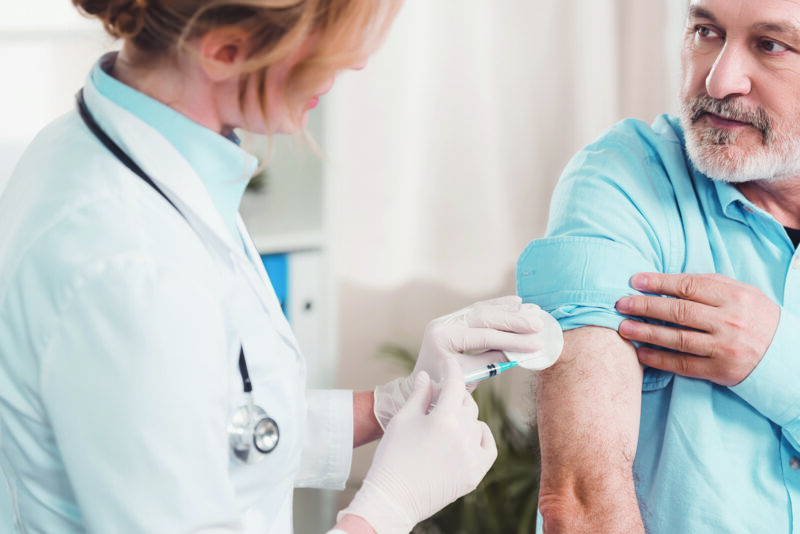
Vaccines given during adulthood can prevent the spread of serious diseases that may lead to poor health, missed work, costly medical bills and even death. As you get older, the protection gained from certain childhood vaccines can wear off. Plus, you may be at risk for certain vaccine-preventable diseases because of your age, job, lifestyle or current health status.
Getting vaccinated as an adult also helps protect the people most susceptible to contagious diseases, such as babies and young children, pregnant women and seniors.
Here are some vaccines commonly recommended for adults:
• Seasonal flu. Adults of all ages should get an annual flu shot but especially seniors, people with chronic health conditions and pregnant women. Sixty percent of flu-related hospitalizations occur in people 65 years and older.
• Shingles. One in three adults contract shingles during their lifetime, and your risk increases as you age. Adults who are 50 and older should get the shingles vaccine.
• Tetanus, diphtheria, pertussis (Tdap). If you didn’t receive the Tdap vaccine as an adolescent to protect against whooping cough (pertussis), it’s vital to get the shot as an adult. Women should also get the Tdap vaccine during each pregnancy, to protect the newborn from pertussis.
• Pneumococcal. This vaccine prevents pneumococcal disease, which causes pneumonia, meningitis and sepsis. It’s recommended for all adults age 65 and older as well as for younger adults with conditions that affect their immune system, such as HIV, lymphoma and leukemia.
If you have chronic health conditions or work in the health care industry, you may require additional vaccines. Before traveling abroad, remember to check what vaccines you’ll need and get them administered four to six weeks before your trip.

Get Your Equipment Ready Before the Start of Fishing Season

Landscaping Careers Offer Outdoor Work and Creative Opportunities

Blue Ridge Wildlife Center Patient of the Week: Virginia Opossum

From Crime Scenes to K9 Units: Citizens Academy Opens in May

Weekly Yard Waste Pickup Begins April 8 in Front Royal

Town Council Reviews Goals at Retreat in Advance of Work Session

New Virginia Laws Target School Construction and Classroom Cellphone Use

Clear Horizons Brings Fresh Approach to Mental Health

Funding Cuts, State Error Strain Virginia’s HIV Care System

Virginia Hospitals Filed More Than 1 Million Medical Debt Lawsuits Since 2010, a New Report Finds

POLICE: 7 Day FRPD Arrest Report 4/6/2026

Spanberger Signs Bipartisan Bills Tied to Billions in Business Investment Across Virginia

Birthright Case Forces US Supreme Court to Confront Prospect of Americans Losing Citizenship

Caleb Benton McKinstry (2010 – 2026)

Ideas for Nurturing — or Rediscovering — Your Inner Child

Protein Takes Center Stage in Updated U.S. Dietary Guidelines

Blue Ridge Wildlife Center Acknowledges a Quarter of a Century of Work in Wildlife Preservation & Human Education

What Does A ‘Fair Share’ Really Mean?

South Warren Ruritan Club Hosts 20th Annual Spaghetti Dinner Fuels Scholarships for Local Teens

Trees Take Root as Virginia’s Frontline Defense Against Urban Heat

Virginia Set to Rejoin RGGI as Utilities Prepare to Pass the Cost Back to Ratepayers

Virginia Joins Multi-State Lawsuit Challenging Trump’s Election Order

Trump Budget Seeks 43% Boost in Defense Spending, Cuts in Many Domestic Programs

Virginia Sees 33,000 ACA Enrollment Drop Since Subsidies Expired, More Likely on the Way
