
Interesting Things to Know
Treasure: The priceless missing sword of Japan
The fate of treasures in war: They are intentionally destroyed, stolen, or simply vanish.
One of those missing treasures may still exist. A legendary Japanese samurai sword called Honjo Masamune passed from shogun to shogun for centuries, becoming a symbol of authority and power.
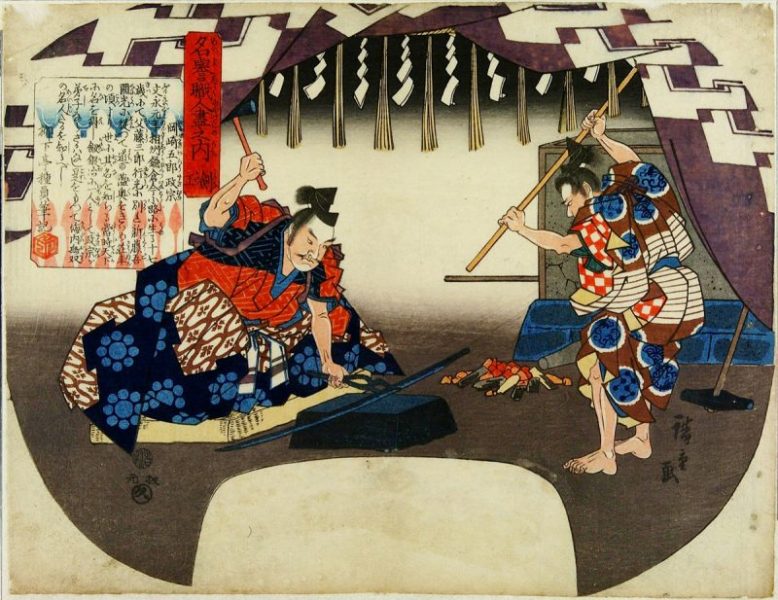
Although legendary, the 700-year-old sword is not mythical. It existed as a national symbol in Japan until the end of World War II, outliving many other national treasures. The Japanese themselves melted down many of their metal treasures to fuel the war effort, including ancient temple bells — but not the Honjo Masamune. That remained a symbol until the day Japanese fighters and families ceremonially surrendered their swords to end the war.
Considered to be the greatest samurai sword ever made, the sword was forged by Goro Nyudo Masamune in the 13th century when Japan had a Mongolian horde problem. The Mongols had already subjugated much of China and intended to conquer Japan the same way. When the samurai attempted to beat back the invading army, their weapons broke against the Mongols’ armor.

The Japanese turned to Goro Nyudo Masamune to redesign the swords that the samurai wielded. For Honjo, the swordsmith folded hot metal 30,000 times to create an immensely sharp tapered edge.
Honjo was so beautiful that the Shoguns used it to cement their claim to power. Eventually, the sword fell into the hands of the powerful Tokugawa clan, which controlled the shogunate for more than 230 years and retained the sword even after the shogunate was abolished.
Treasure hunters have tried to locate Honjo for decades. It is said that a mysterious American sergeant from the 7th calvary accepted the sword from Prince Iemasa Tokugawa when he surrendered it to occupation forces after the war’s end. But no such sergeant has been found. Even the name of the sergeant is disputed, though the sword once showed up on a list of confiscated items. Some say the sword may still exist somewhere in America, or maybe even in Japan, where someone saved it from destruction and kept the priceless work of art.




VDOT: Warren County Traffic Alert for September 28 – October 2, 2026

Virginia Health Committee Considers Mandating Licensed Nurses in Every School

After Obama-Era Chesapeake Bay Executive Order Rescinded, Environmental Groups Brace for Fallout

Federal Judge Strikes Down SNAP Deadline That Put Virginia at Risk of Added Costs

Children Activities by Samuels Public Library for the Month of October

$5,000 Match Challenge to Support Warren County Children on Give Like Dolly Day

October 23rd Set for Post-Discovery Motions Hearing in Bradley Treece Gunfire Incident With Neighbors

Virginia State Police Seize More Than $1 Million in Drugs During Weeklong Operations

Jolissa Steele Shifflett Mathews (1944 – 2026)

False Birth Control Claims are Proliferating, Survey Says

Business Growth Series: Your Work Environment Is Affecting Your Growth

Frog Hunting Offers Virginians a Different Kind of Outdoor Adventure

How the Tech Bros Shop for a House

County Supervisors Fill Vacant Planning Commission Seat, Look to Future on Processes and Capital Improvements

America 250: ‘I Only Regret That I Have but One Life to Lose for My Country’

Building Gas Plants More Important Than Dominion Sale, Data Center Politics

Home Inspectors Help Buyers and Sellers Understand a Property’s Condition

Bowling Together: Why Work Is More Than a Paycheck

This Week’s Showtimes at Royal Cinemas as of September 24th

POLICE: 7 Day FRPD Arrest Report 9/21/2026

Blue Ridge Wildlife Center Patient of the Week: Eastern Cottontail

UVA Health Review Examines Real-World Results of Incisionless Liver Tumor Treatment

Maximilian James Donora (1995 – 2026)

Dollars for Dolly Campaign Aims to Turn Small Gifts Into Big Community Impact
