
Home
Consumers give high ratings to mail-order mattresses
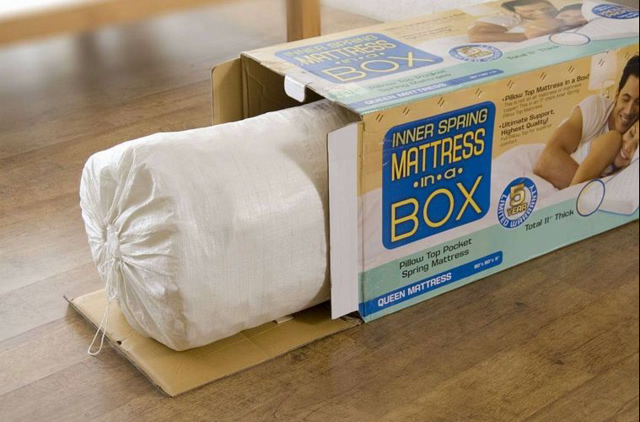
Mail-order mattresses were introduced to the market in 2007 with the original Bed in a Box but since then, they are everywhere.
The idea started to go mainstream in 2014 with popular names like Casper and Tuft & Needle entering the market, according to Consumer Reports.
Now, nearly 200 such companies vie for a piece of the boxed-mattress market, which commands 12 percent of sales. The market is still dominated by the traditional retail players such as 1-800-Mattress and Mattress Firm.
The majority of beds shipping today come in relatively small boxes in which a memory-foam mattress has been tightly compressed and molded to fit.

Most of the bed-in-a-box companies offer generous trial periods – up to 120 days.
If you don’t like a mattress purchased at a retail store, the store comes and picks it up. But, if you don’t like a boxed bed, returning it can be hard, depending on policy. Tuft & Needle, for example, does not ask you to send it back. Instead, you donate the bed to charity. But, if you buy their bed from another online merchant such as Amazon, then you have to ship it back. This involves wrapping it in shipping plastic, using a vacuum to suck the air out of the plastic, and creating a box.
Price-wise, Tuft & Needle is one of the lowest-cost providers, offering a queen size for around $575. More upscale names like Sapira would cost $1,275 for the same size. Meanwhile, similar offerings can be found in the same price range in retail stores.
Air-based beds are also popular and can be shipped back more easily.

While there are a few specialty vendors, most providers advertise only one model that is meant to please the vast majority of sleepers regardless of their weight, build or preferences. Despite the limitation, however, many mattresses tested did indeed perform at a level of Good to Excellent during consumer testing, and the top-rated brands also scored highly among small, large, and tall sleepers.




Screen Rules That Actually Work

Blue Ridge Wildlife Center Patient of the Week: American Barn Owl

After Taking Off in Charlottesville, Feds Plan National Electric Aircraft Charging Network Rollout

POLICE: 7 Day FRPD Arrest Report 7/20/2026

FDA: Taylor Farms iceberg lettuce sample produced a false positive for cyclospora

Data Centers Want to Build Their Own Gas Turbines. Would That Skirt State Renewable Energy Laws?

Legal Notice: Virginia Alcoholic Beverage Control (ABC) Authority

Removing a Senator

The Dillon Rule Doesn’t Say What Mr. Cuddeback Implies

Test Your Balance Before the Job Tests It for You
Legal Notice: Virginia Alcoholic Beverage Control (ABC) Authority

Late On Rent? New Virginia Law Gives Tenants More Time and Protection From Eviction

Virginia Schools Gain Spending Flexibility Under Federal Program

Three Useful Car Gadgets for a Better Summer Road Trip

When He Retires, Who Runs the Kitchen?

State of the Assistants: The Second Great Voice-Assistant War

Front Royal Family Practice Files $5-Million Civil Claim Against Valley Health and Warren Memorial Hospital

Virginia Violent Crime Fell Nearly 6% in 2025, State Police Report Shows

Virginia State Police Seize More Than $3.3 Million in Drugs During Weekly Operations

30-Acre ITFederal Property at Avtex Scheduled for Auction to Help Resolve EDA ‘Financial Scandal’ Debt to First Bank & Trust

Grand Jury Returns Dozens of Indictments in Warren County

VDOT: Warren County Traffic Alert for July 20 – 24, 2026

Fauquier Health CEO Earns National Recognition for Second Straight Year

Trail Option Draws Strongest Support in VDOT Shenandoah Rail Corridor Survey