
Health
Eczema: tips for managing symptoms
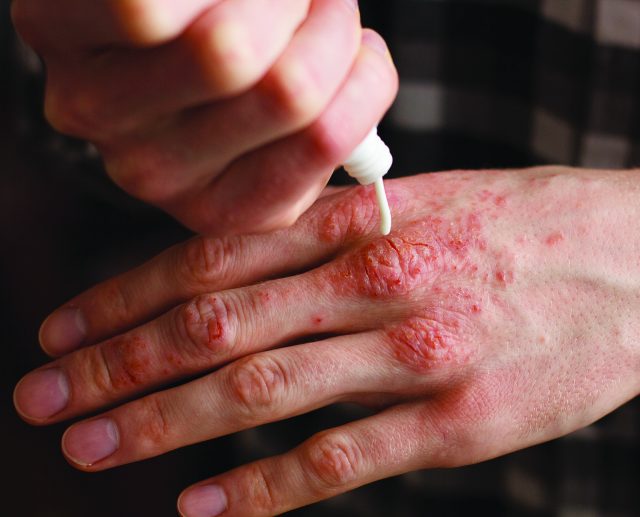
Atopic dermatitis, better known as eczema, is a chronic condition that causes the skin to become inflamed. It often manifests on the body as patches of dry, itchy skin that are red or brown. The itching may become more intense at night and, in some cases, raised bumps that leak fluid will develop. Cracked, scaly skin that becomes raw and sensitive from scratching may also be an issue.
Here are some tips for mitigating the discomfort associated with eczema.
Relax
While there’s no concrete evidence of a link between stress and the severity of eczema symptoms, many patients report that their symptoms are worse when they’re worried or under pressure.
Regardless of whether stress causes eczema to flare up, it’s likely that relaxation techniques and activities such as yoga can distract people from the itching and reduce the perceived severity of their symptoms. You can also try massage therapy, reading a book or listening to music to de-stress.
Stay hydrated
Whether they’re mild or severe, a good moisturizing cream is a must for managing eczema flare-ups. For best results, apply a liberal amount of moisturizer after taking a lukewarm bath or shower. Avoid hot water, as it dries the skin and will likely make your symptoms worse.
In addition, drink plenty of water and avoid consuming dehydrating foods and drinks such as deli meats, candy and alcohol.
Try creams
A variety of medicated creams, some of which can be purchased without a prescription, can help manage flare-ups. Make sure to choose a product endorsed by dermatologists, and avoid greasy creams as well as those containing perfumes, parabens and dyes.
Choose the right clothes
When your skin is irritated and inflamed, it’s best to avoid synthetic fabrics and tight-fitting clothes. Privilege loose apparel made of natural textiles such as cotton, bamboo and silk. These are less likely to aggravate your skin.
Manage humidity levels
Dry air can worsen eczema symptoms. Use a hygrometer to monitor the humidity levels at home and at work. Ideally, you should maintain a humidity level that’s between 40 and 60 percent. If necessary, you can use a humidifier to remedy dry air.
Learn your triggers
Eczema flare-ups can be triggered by a wide range of things including soaps, dust, cigarette smoke, cleaning products and certain foods. Try to identify the things that trigger your eczema and, if possible, eliminate them. This will result in fewer flare-ups.
Don’t scratch
While it’s easier said than done, refraining from scratching is an important component of managing atopic dermatitis. Despite the temporary relief it provides, scratching damages your skin and makes you even itchier.
If you absolutely need to relieve the itching, try to pinch or lightly rub the affected area. It’s also a good idea to wear cotton gloves to bed, as unconscious nighttime scratching is a common cause of skin damage. Finally, you should cut your nails very short to minimize the risk of injuring your skin.
Eczema is a common and potentially debilitating skin condition. Following these tips, and seeking the help of a health care professional, will likely make it a little easier to manage.

Data Centers in Space: Brilliant Innovation or Pie in the Sky?

6 Simple Steps to Keep Your Feet Healthy: Happy Feet = a Healthier You

League of Women Voters Marks 106 Years With Push to Empower Voters in the Valley

VDOT: Warren County Traffic Alert for February 2 – 6, 2026

DNA Modification in Oats: A Breakthrough with Widespread Benefits

Star-Studded Birthdays: Which Celebs Share Yours?

Two WCHS Juniors Aim for Virginia DECA State Office

4 Meal Types to Consider for Treating Your Wedding Guests

Virginia’s Newest Troopers Include Descendant of WWII Hero Desmond Doss

Virginia State Police Ongoing Crime Suppression Operations, Recovering Firearms, Narcotics, and Investigating Human Trafficking

Democrats Try to ‘Balance’ Renters’ Rights With Landlords’ Rights in Proposed Housing Bills

Virginia Delegate’s Bill Would Limit Where High-Voltage Transmission Lines Can Be Built

Freedom 250 IndyCar Race to Bring Speed and Spectacle to Nation’s Capital in August

What to Do and What Not to Do If You’re in a Car Collision

US Senate Poised to Send House Spending Deal in Race to Avert Partial Shutdown

Robert Glenn “Bob” Coverstone (1942 – 2026)

Trump Launches Great American Recovery Initiative to Address Addiction Crisis

Battery Technology Leading the Renewable Revolution

Children Activities by Samuels Public Library for the Month of February

Muley Fanatic Foundation’s 7th Annual Banquet Brings Conservation and Community Together
Jane Duble Riddleberger
Sean G. “Bubba” Collins (1989 – 2026)

William “Bill” Hamilton Rhodes I (1941 – 2026)

POLICE: 7 Day FRPD Arrest Report 1/26/2026
