
Crime/Court
“Pink Cocaine” Emerging in U.S. Drug Market, Authorities Warn
The nation’s drug landscape continues to evolve, and law enforcement agencies are warning about a dangerous new trend known as “pink cocaine.”
Despite its name, pink cocaine often contains no cocaine at all. Instead, it is a dyed powder made up of unpredictable mixtures of illicit substances, many of them highly dangerous. Federal and state authorities caution that the drug’s deceptive appearance and unknown composition make it especially risky.
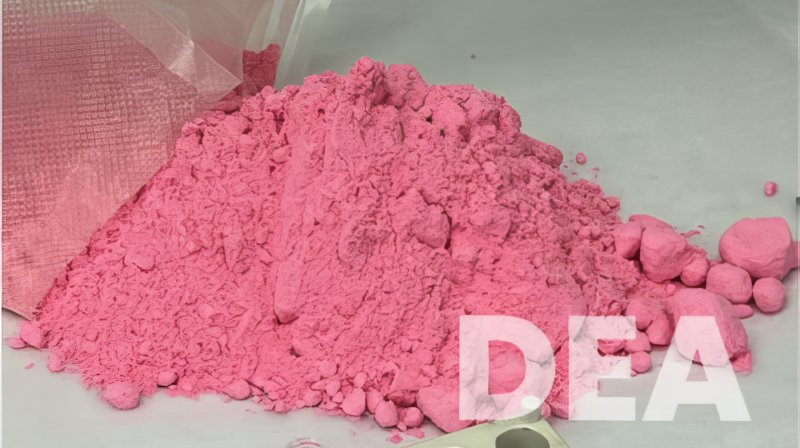
What Is Pink Cocaine?
Pink cocaine, sometimes referred to as “tusi,” is a powdered drug cocktail dyed bright pink, often using food coloring or colored baking powder to distinguish it from substances such as cocaine or methamphetamine. It may also have a sweet smell.
Originally, “tusi” referred to the psychedelic drug 2C-B, a synthetic phenylethylamine. However, as 2C-B became harder to obtain, drug traffickers began selling various mixtures of other substances under the same name, marketing them as a new and trendy product.
Today, pink cocaine rarely contains 2C-B.
According to DEA laboratory testing, seized pink powders have contained combinations such as:
- Ketamine and MDMA
- Methamphetamine, ketamine, and MDMA
- Cocaine and fentanyl
- Fentanyl and xylazine
Because each batch can contain a different mixture, users often have no way of knowing what they are ingesting.
Why Is It Dangerous?
The primary danger of pink cocaine lies in its unpredictability.
Effects can vary greatly depending on the substances involved. While it may produce psychedelic or stimulant effects similar to MDMA or ecstasy, the inclusion of fentanyl, a synthetic opioid up to 50 times stronger than heroin, significantly increases the risk of overdose. Xylazine, a veterinary sedative, has also been found in some samples and can cause severe respiratory depression and tissue damage.
“Ingesting an unknown substance or drug cocktail is dangerous and can be deadly,” authorities warn.
Each batch is chemically different, meaning the same user could experience dramatically different and potentially fatal reactions from one use to the next.
How Widespread Is It?
Currently, pink cocaine is not among the most commonly trafficked drugs in the United States. Since 2020, the DEA has seized 960 pink powder exhibits nationwide. Of those, only four contained 2C-B; the remaining 956 contained other substances.
By comparison, during that same period, the DEA seized approximately 180 million fentanyl pills, underscoring that fentanyl remains the dominant threat in the illegal drug market.
Pink cocaine is most often encountered in urban nightlife environments such as Miami, New York, and Los Angeles. Law enforcement agencies report it is more commonly found at the retail level rather than in large-scale trafficking operations.
Why Is It Emerging Now?
Authorities say dealers are marketing pink cocaine as a “new” or trendy drug, targeting users who already engage in polydrug use, consuming multiple substances at once.
The broader concern, officials note, is that the drug market has become increasingly dangerous due to fentanyl contamination and deceptive marketing practices designed to drive dependency.
“The drug landscape has changed,” authorities warn. “Drug use is more dangerous than ever before.”
A Critical Warning for Parents and Communities
Public health officials strongly urge parents to have direct, ongoing conversations with their children about the realities of today’s drug supply. The colorful appearance of pink cocaine can falsely signal that it is less harmful, but authorities stress that its bright color does not make it safer.
With fentanyl now appearing in substances that do not resemble opioids, experimentation carries significantly higher risks than in previous generations. Even a single use of an unknown substance can result in overdose or death.
Parents are encouraged to:
- Talk openly and early about drug risks
- Monitor for unusual powders or unfamiliar substances
- Educate teens about fentanyl contamination in non-opioid drugs
- Seek prevention resources through local health departments
Anyone struggling with substance use or concerned about a loved one can contact the SAMHSA National Helpline at 1-800-662-HELP (4357) for free, confidential assistance available 24/7.
Authorities emphasize that awareness, education, and honest conversation remain the most effective tools to prevent tragedy in an increasingly dangerous drug environment.

Man Arrested After Domestic Assault, Barricade and Fire at Shenandoah Avenue Residence

“Pink Cocaine” Emerging in U.S. Drug Market, Authorities Warn

Hike Kidz Foundation Builds Momentum with Community-First Mission and New Board of Directors

Some of History’s Biggest Discoveries Were the Result of Dumb Luck

Senators Propose Phasing Out Data Center Tax Credit, House Budget Keeps It

Lawmakers Propose Major Investments to Expand Student Aid, Limit Tuition Increases

Funeral Prearrangements: 3 Good Reasons to Plan Ahead

STEAM Night Launches Students Into Space at A.S. Rhodes Elementary School

Virginia Housing Market Sees Surge in Pending Sales to Start 2026

Is Front Royal Destined to Become Another Fairfax?

Here’s What to Know About the DHS Funding Shutdown

Lord Fairfax Health District Updates WIC Services and Expands Schedule

Poll: Virginians Back Tighter Gun Laws, Favor Current Redistricting System

What is ‘Performance-Based Regulation’, and How Can It Lower Utility Bills?

Lawmakers Reshape Youngkin’s Final Budget With Focus on Affordability, No New Taxes

El Salvador Turns to AI to Personalize Learning Nationwide

New Version of Keytruda Speeds Up Cancer Treatment, With Help From Space

Shenandoah Rail Trail Supporters Applaud CTB Move to Purchase Corridor, Launch Public Engagement

Virginia Delegate Eric Phillips Warns of Growing Strain on Power Grid, Calls for In-State Energy Expansion

Welcoming Spring Into Your Home: A Fresh Start for the Season
Government Business Shouldn’t Require a Public Display of Patriotism

March at Shenandoah River State Park: Salamanders, Wildflowers, and Nights in Nature

Blue Ridge Care Marks 45 Years, Highlights PACE Program That Helps Seniors Stay at Home
Why Trump’s Election Rhetoric Is So Dangerous
