
Automotive
A history of roads in Virginia: Transit makes its mark
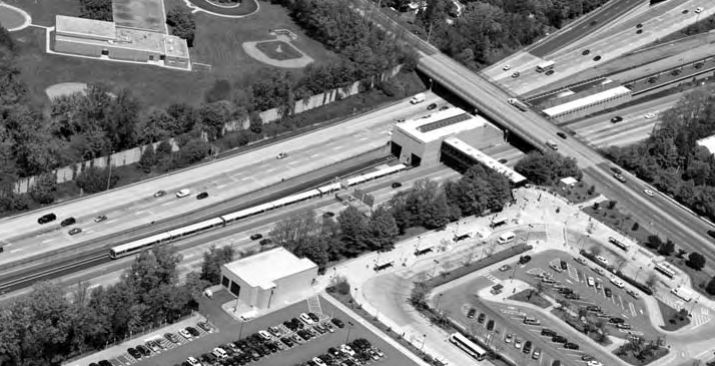

Northern Virginia’s I-66 was completed in 1982 as a four-lane limited access highway. It’s among
Virginia’s first projects to incorporate multimodal connectivity. It featured Metrorail in the median.
When funds for highway construction doubled, so did funds for public transportation services. Increasing pressures for these services were felt in all sections of Virginia.
Public transportation service includes a lot more than buses in the cities or the Metrorail subway in the Washington, D.C., area. It includes ridesharing efforts with car and van pools, park-and-ride lots, special high occupancy vehicle (HOV) lanes on congested highways for vehicles carrying at least two and sometimes three people, special transportation for elderly and handicapped persons, and development of commuter rail service.
By the late 1980s, public transportation was making its mark. More than two-thirds of the people crossing the Potomac River between Northern Virginia and Washington, D.C., during rush hours traveled either by public transit or car pool. But many more innovations beyond public transportation would be required to keep Virginia moving in the last decade of the century.
Produced by the
Virginia Department of Transportation
Office of Public Affairs
1401 E. Broad Street
Richmond, VA 23219
VirginiaDOT.org

Stephen Paul Sill (1955 – 2026)

Virginia Seeks Public Input for 2026 Statewide Rail Plan

Front Royal Craftsmen Revive Centuries-Old Timber Framing Tradition

Local NewsVDOT: Warren County Traffic Alert for March 16 – 20, 2026

Virginia Lawmakers End Session Without Final Budget

Your Personal Mission Statement: A Guide to Getting What You Want Out of Life

Disappointed In Our Olympic Spirit

How St. Patrick’s Day Became America’s Biggest Irish Party

Virginia State Police Urge Sober Plans for Saint Patrick’s Day Celebrations

In a One-Party County, Internal Party Decisions Affect Us All

Virginia State Police Seize Nearly 100 Pounds of Narcotics, Recover Firearms in Weekly Crime Suppression Effort

Barton Charles “Bart” Haller (1940 – 2026)

Dawn Lee Dodson (1970 – 2026)

Mary Helen “Nanny” Spires Johnt (1954 – 2026)

Another Round of ‘Momnibus’ Bills Are Headed Towards the Governor This Year

Virginia Joins States Challenging Trump Admin Regulations That Limit Free Birth Control Access

Update: Charlotte Swanson Smith (1951 – 2025)
Why We are Challenging the Republican Mass Meeting

Bruce Norman Showman (1954 – 2026)

EDA Relaunches Small Business Loan Program to Help Warren County Entrepreneurs Access Capital

Targeted Exercises to Improve Your Putting

The Hidden Risks of House Hunting Solely Online

Choosing the Right Cleaner for Every Surface in Your Home

New Church Among Consent Items at County Planning Commission Meeting
