
Health
The benefits of robot pet therapy
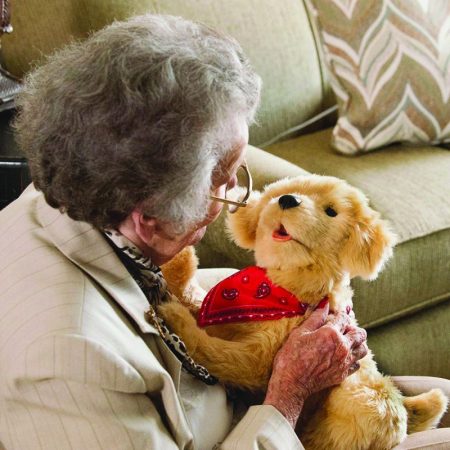
You’ve probably heard of pet therapy, a type of animal assisted intervention used to improve a patient’s social, emotional and cognitive functioning. It’s been shown to be particularly helpful for seniors. But what you may not realize is that using robotic cats and dogs may be just as effective. Here’s what you should know about battery-powered pets.
Cats, dogs and dinosaurs
Thanks to advances in artificial intelligence, today’s robot pets employ motion sensors to simulate surprisingly realistic behaviors. They, purr, wag their tails, blink, vocalize and respond when petted.
One upside of adopting robot pets over real ones is that you’re not limited to common domestic animals. Aside from cats and dogs, you can purchase seals and even dinosaurs. Additionally, robotic animals won’t trigger allergic reactions. They also never get sick, don’t need to be fed and won’t leave you unpleasant surprises on the carpet.
Reducing loneliness
Owning a cat, dog or other pet can help seniors combat social isolation. Similarly, interacting with robot pets provides social benefits. They’re great conversation starters and encourage exchanges among residents in retirement homes, possibly because they remind people of pets they might have owned in the past.
A soothing presence
Robot pets can help stressed or anxious seniors to relax. They’ve also been shown to alleviate distress in patients with dementia. In some cases, they can help reverse language loss and may reduce the need for medication. Finally, they promote healthier lifestyles by giving seniors a reason to move and can sometimes help families connect.
Robot pets usually cost between $150 and $200, which make them a relatively affordable way to put a smile on a loved one’s face.

Simple Steps to Reduce Wildfire Risk Around Your Home

Lyme Disease Cases Continue to Rise as Tick Season Returns

County Receives 5 More FY-27 Budget Overviews Prior to Closed Meeting on Administrator Search & Business Expansion

Belle Grove Opens March 21 With First Public Viewing of Memorial Quilts Honoring Enslaved Individuals

Iran At a Crossroads: Democracy, Monarchy, and the Lessons of the 1950s

Federal Judge Upholds Ruling That Certain Ex-Felons Should Not Automatically Lose Voting Rights

Virginia Lawmakers Explore Autonomous Technology for Transportation

Misconceptions About Multiple Sclerosis

Five Reasons to Consider a Career in the Community Sector

Frederick County Cattle Carrier Crash – Animals Still Reported At Large

‘Grow Up’: Former Republican Delegate Defends Civil-Rights-Themed Mailers in Redistricting Fight

Virginia One Step Closer to Probation Reform With Bills Headed for Spanberger’s Desk

Merit Versus Reality: Town Council Weighs Priorities Against Finance

Blue Ridge Wildlife Center Patient of the Week: American Beaver

POLICE: 7 Day FRPD Arrest Report 3/9/2026

Discover Rotary with the Rotary Club of Warren County

Maureen Cora (Cooper) Valdez (1942 – 2026)

President Trump Secures Trillions in New U.S. Investments as Companies Expand American Manufacturing

Judge Blocks Some of Trump DOJ’s Sweeping Changes to Immigration Appeals

Front Royal Women’s Resource Center to Host ‘Dare to Dream’ Luncheon March 28

Virginia’s Congressional Republicans Urge Trump Admin to Review Legislation to Tighten Oversight of VMI

Plug-In Solar Panels Near Approval by General Assembly

Civil Rights Imagery in Anti-Redistricting Mailers Draws Outrage in Virginia

What Is a Cull Animal?
