
Local News
Pearl Harbor: The Day That Changed America Forever
An Infamous Day in American History
On December 7, 1941, a day President Franklin Roosevelt declared would “live in infamy,” the United States Naval Base at Pearl Harbor, Hawaii, was attacked by Japanese forces. This catastrophic event not only led to the loss of over 2,300 American lives but also marked a pivotal moment in world history, catapulting the United States into World War II.
A Nation Shaken and Mobilized
The attack on Pearl Harbor caused unprecedented destruction. The U.S.S. Arizona was obliterated, and the U.S.S. Oklahoma capsized, among other significant losses. Admiral Husband Edward Kimmel’s urgent dispatch encapsulated the shock and severity of the situation: “AIR RAID ON PEARL HARBOR X THIS IS NOT DRILL.” The following day, Congress declared war on Japan, signifying the end of America’s isolationism and the beginning of its significant role in World War II. The nation rapidly transitioned to a wartime economy, accelerating armaments production for military campaigns across multiple fronts.

The Human Response: Voices from the Aftermath
In the wake of the attack, Alan Lomax, head of the Library of Congress Archive of American Folk Song, sought to capture the public’s immediate reactions. Folklorists recorded diverse perspectives, from a Californian woman in Texas lamenting the rise of hatred to ordinary Americans grappling with the sudden thrust into a global conflict. These “man on the street” interviews offer a poignant glimpse into the national psyche at a time of great uncertainty and sorrow.
Propaganda and Patriotism
The Office of War Information (OWI), established months after the attack, utilized collective fear and outrage to bolster support for the war effort. The OWI effectively mobilized public sentiment and labor toward the war cause through propaganda that highlighted American patriotism.
Preserving History: Library of Congress’s Role
The Library of Congress plays a crucial role in preserving the memories of Pearl Harbor. It houses an annotated NBC news report script from December 7, 1941, emphasizing the news delivery’s gravity. The Library’s extensive collection includes recordings of wartime broadcasts, post-battle assessments, and even stories from World War II veterans, offering a comprehensive look into the era’s history.
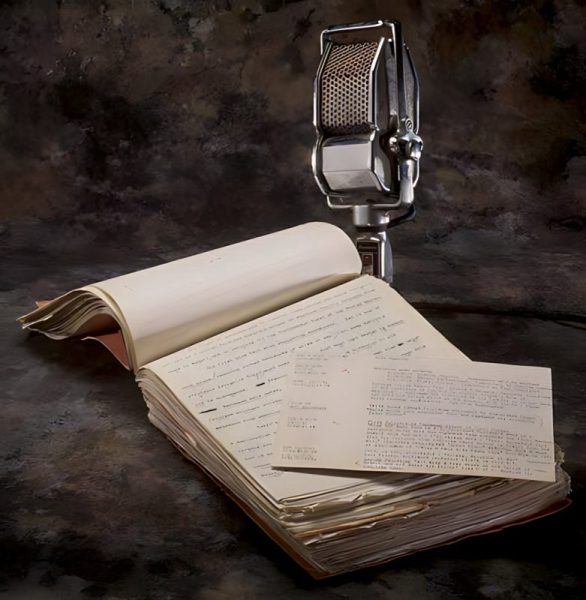
NBC Program Book. Annotated typescript, December 7, 1941; Microphone, ca. 1938. In World War II, Memory Gallery. American Treasures of the Library of Congress. Motion Picture, Broadcasting & Recorded Sound Division
The attack on Pearl Harbor remains a defining moment in American history. It led to a major shift in global politics and deeply affected the American spirit. The collective memory of this event, preserved through various mediums, continues to remind us of the resilience and unity displayed in the face of adversity.

Warner Files for Reelection, Launching Bid for Fourth U.S. Senate Term

Registrar Urges Residents to Stay Informed and Participate in Upcoming Elections

South River Forum Brings Residents and Leaders Together at Skyline

CHEO Garden Expands Mission of Food, Learning and Community

Sharing a Room: How to Avoid Sibling Conflicts

Laurel Ridge to Host Week of the Young Child Art Exhibit

Free $1,000 ‘Trump Accounts’ Draw 1 Million Families

‘The Revenant: A Novel of Revenge’

Virginia Lawmakers Close 2026 Session With Focus on Lowering Costs

The 10 Most Important Things That Happened in Virginia’s 2026 Legislative Session

Electric Vehicle Market Adjusts as Industry Rethinks the Road Ahead

Cultures Around the World Mark the Spring Equinox With Unique Traditions

Laurel Ridge to Host 46th Annual Spring Follies: “Back to the ’90s”

Love Revival to Host Free Community Easter Celebration in Front Royal

Salvation Army of Front Royal Plans Annual Dinner and Raffle Fundraiser

Stephen Paul Sill (1955 – 2026)

Virginia Seeks Public Input for 2026 Statewide Rail Plan

Front Royal Craftsmen Revive Centuries-Old Timber Framing Tradition

VDOT: Warren County Traffic Alert for March 16 – 20, 2026

Virginia Lawmakers End Session Without Final Budget

Your Personal Mission Statement: A Guide to Getting What You Want Out of Life
Disappointed In Our Olympic Spirit

How St. Patrick’s Day Became America’s Biggest Irish Party

Virginia State Police Urge Sober Plans for Saint Patrick’s Day Celebrations
