
Community Events
Shenandoah National Park Presents Interactive Program on Historical Segregation
Shenandoah National Park brings history to life with a new interactive web-based curriculum, “Life at Lewis Mountain: Shenandoah in the Jim Crow Era.” This special program will be showcased at Jenkins Hall at Laurel Ridge’s Luray-Page County Center on Thursday, June 6, at 6 p.m.
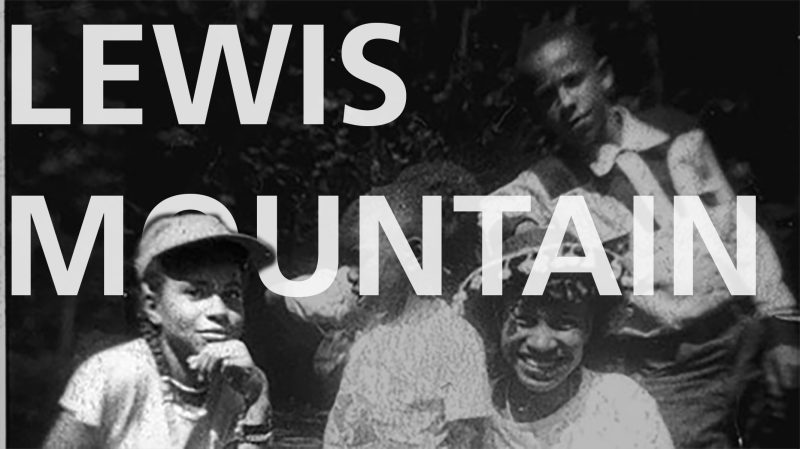
The event will feature presentations by Shenandoah National Park’s interpretive specialist, Claire Comer, and visual information specialist, Allysah Fox. They will discuss the development of this engaging curriculum, which delves into the history of Lewis Mountain Campground. This area, situated near mile marker 60 on Skyline Drive, was established for Black parkgoers during the segregation era and included a campground, picnic area, lodge, and cabins.
Lewis Mountain Campground is a significant part of the park’s history, representing the segregation and the subsequent efforts towards integration. Comer and Fox’s presentation will highlight the struggles between those advocating for an integrated park and those wanting to maintain segregation.
The curriculum is designed to be highly interactive and educational, featuring five short videos paired with follow-up activities aimed at upper-middle and high school students. These videos include many historical resources such as oral histories, letters, newspaper articles, and photographs from the Jim Crow era. The program can be accessed online at Shenandoah National Park’s website.
Creating this curriculum was a massive undertaking involving decades of research and collaboration. Significant contributions came from Audrey Tutt-Smith, a Lewis Mountain staff member from the 1950s, along with other staff and members of the Black community. Their efforts have ensured this important part of history is preserved and shared.
In addition to the online curriculum, visitors to Shenandoah National Park can learn more at the Big Meadows Visitors Center on Skyline Drive, which features interpretive information, including oral histories, about the segregation and integration of the park. Comer emphasized that while the exhibit is accessible online, in-person visiting provides a richer experience.
“That’s the best place to go in the park to get that story,” she said. “They can also explore that exhibit online without having to go. At Lewis Mountain, there’s a panel that explains the history of it. It’s still a working campground and lodge. There are multiple ways to learn the story, both in the park and virtually.
“We want to share all of our stories. We think that the existence of Lewis Mountain, the story of segregation and desegregation, is important for people to hear. There were a lot of local folks who worked there and made it a really fun and exciting destination for African Americans during that period. Also, it is just the struggle to end segregation. It’s a very interesting and very complex story.”
The June 6 event will also offer refreshments. Interested individuals can contact Claire Comer at 540-999-3500, ext. 3183, for more information. This program is an opportunity to learn about an important chapter in the history of Shenandoah National Park and the broader struggle for civil rights in America.

Local NAACP Recalls Segregated Criser High/Elementary School During ‘Learn From the Past for a Better Future’ Event

Virginia Revenues Top Forecast, But Economic Concerns Remain

Governor Clarifies: Proposed Tax Changes Never Became Law

Driver Runs After Crash, Caught by Police Moments Later

Debate Continues Over Tax Rate as Supervisor Offers New Option

Spanberger Joins Other Governors in Push for PJM to Prioritize Ratepayer Protections

Cannabis Testing Challenges Persist as Virginia Retail Market Nears

Quick Quiz on Tooth Decay

The Fat Facts: Busting Common Food Myths

Importance of Chiles v. Salazar and the Protection of Free Speech

MAGA Suicide?

Warnick Posts Natural Hat Trick as Shenandoah Downs Opens Spring Meet

Youngkin Returns to Campaign Trail, Calls for Court to Strike Redistricting Vote

‘We Have To Do Something’: Former U.S. Attorney General Eric Holder Supports Virginia Redistricting

3 Ways to Extend the Life of Your Electric Vehicle Battery

Serious Charges Highlight Warren County Grand Jury Indictments

Ducks, Flowers, and Fun: Redbud Festival Returns to Browntown

Potato-Crust Quiche Makes a Lovely Brunch

Faye Barr Vance (1930 – 2026)

James Christopher “Chris” Sain (1948 – 2026)
Alice “Maybelle” Henson (1938 – 2026)

How Sleep and Stress Affect Cancer Risk

Spanberger Signs Sweeping Public Safety and Gun Violence Bills

Horses, Fans Return as Shenandoah Downs Season Begins
