
Interesting Things to Know
Virtual reality enters the critical safety training areas
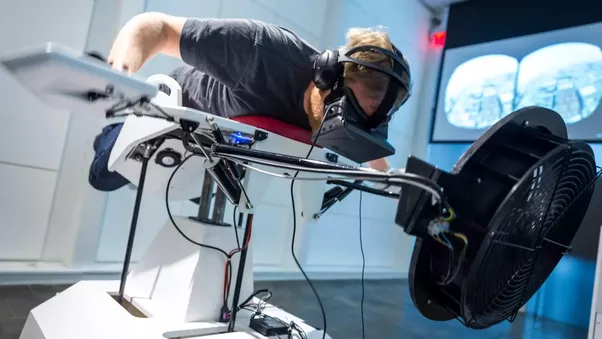 Safety training is no game, but game technology is the future in safety.
Instead of watching a safety film, trainees will soon be part of the film, in Virtual Reality experiences.
These new VR technologies are now being applied in highly dangerous scenarios, such as nuclear and crime settings, where one mistake is catastrophic. VR technology is also being used in training for many safety-critical jobs.
The idea is to create a situation where trainees learn by doing, but where mistakes have no impact. Imagine how useful that would be to teach a trainee how to diffuse a bomb.
Google experimented with VR training by having two groups learn to make a cup of espresso. One group learned by VR. The second group learned by videos. According to CLO Media, neither group ended up making a great cup of coffee, but the VR group made fewer mistakes. That’s the sort of result one hopes for in bomb diffusing.
At the Northern Centre for Advanced Technology, VR experiences will help new miners with mining techniques, simulating the environment and the experience of cutting rock.
In construction, VR is already being employed at Gammon Construction Ltd and Bechtel, according to clomedia.com. Iron workers, whose job entails working at tremendous heights, can first be immersed in a VR scene that gives them a chance to become accustomed to working on beams.
In August 2017, UPS began training student delivery drivers to spot and identify road hazards through VR headsets.
VR safety has the advantage over movies and presentations in that trainees are likely to be more engaged in the fun and novelty of the experience.
But, the key to adoption of VR training across the spectrum is software development cost, which is expected to drop as more applications are developed.
In the meantime, Augmented Reality, like the technology used in games such as Pokemon Go, will take up some slack. Trainees could use AR, a much less expensive virtual technology, to identify slip and fall scenarios, for example.
Current VR technology has limitations, of course. Among them are the safety considerations of VR itself. Since participants are immersed in the VR environment, they tend to forget the hazards around them. Even in gaming, special rooms are set up so that VR gamers can play without tripping over furniture and humans monitor their physical presence.
VR is even coming to medicine. The University of Nebraska Medical Center has invested $119 million on a VR training facility for students. It is expected to open in the fall of 2018.

The Fat Facts: Busting Common Food Myths

Importance of Chiles v. Salazar and the Protection of Free Speech

MAGA Suicide?

Warnick Posts Natural Hat Trick as Shenandoah Downs Opens Spring Meet

Youngkin Returns to Campaign Trail, Calls for Court to Strike Redistricting Vote

‘We Have To Do Something’: Former U.S. Attorney General Eric Holder Supports Virginia Redistricting

3 Ways to Extend the Life of Your Electric Vehicle Battery

Serious Charges Highlight Warren County Grand Jury Indictments

Ducks, Flowers, and Fun: Redbud Festival Returns to Browntown

Potato-Crust Quiche Makes a Lovely Brunch

Faye Barr Vance (1930 – 2026)

James Christopher “Chris” Sain (1948 – 2026)
Alice “Maybelle” Henson (1938 – 2026)

How Sleep and Stress Affect Cancer Risk

Spanberger Signs Sweeping Public Safety and Gun Violence Bills

Horses, Fans Return as Shenandoah Downs Season Begins

Skill Games Halted Again as Spanberger Issues Veto

VDOT: Warren County Traffic Alert for April 13 – 17, 2026

The Cat Who Outlasted Six Prime Ministers
Front Royal, Virginia. Vacation Destination?

Virginia State Police Report Major Drug Seizures in Weekly Crime Suppression Effort

Virginia Secures Birth Control Access as Other Southern States Eye Abortion Pill Manufacturers

SCC Approves Loudoun Transmission Line, Nixes Undergrounding; Final Route to be Determined

Slate of New Virginia Laws Address Health Care and Housing Affordability