
Health
Should you treat varicose veins?
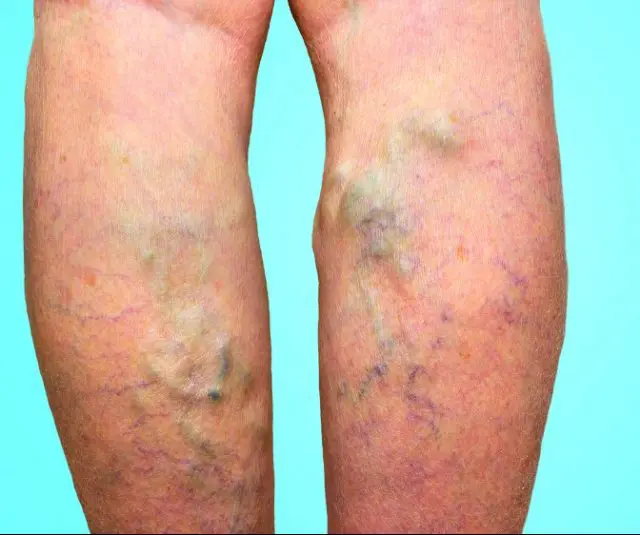
Varices are damaged vessels in which blood tends to accumulate, often because of a loss of elasticity in the vascular tissue, causing them to become enlarged and twisted. Nearly 30 percent of all people are affected by this common condition. They typically form on the legs — in which case they’re known as varicose veins — and while they’re often thought of as a cosmetic issue, they can cause complications.
Left untreated, varicose veins will spread and worsen. Over time, they can cause skin discoloration, venous ulcers and sometimes blood clots. Fortunately, there are many treatment options, including:
• Sclerotherapy. Medication is injected in the blood vessels to shrink them.
• Laser and radiofrequency ablation. Laser or radio frequencies are used to heat and destroy the affected tissue.

• Surgery. Damaged blood vessels are removed surgically.
• Ambulatory phlebectomy. A less invasive way to remove the vessels through small incisions.
• Compression stockings. Using this special garment effectively compresses the vessels and prevents varices from worsening.
These treatments aim to destroy the affected veins, forcing blood to travel through healthy vessels. They’re generally effective, but will likely need to be repeated, as varices tend to be a chronic problem. However, lifestyle changes can reduce their severity, so don’t hesitate to ask your doctor about what habits you can adopt to increase the effectiveness of your treatments.




Samuel’s Public Library Packs October With Programs for All Ages

EPA to Give $90M for Clean Water and Restoration Projects in Chesapeake Bay Watershed, 28 in Virginia

Hiring Slows in September with Job Growth of 29K

Avis Arline Earley (1930 – 2026)

Josh Ingram Seeks Another Term on Front Royal Council, Points to Water, Jobs and Data Centers

The Collective Farms in Your Grocery Cart

Mayor Lori Athey Cockrell Looks to Water, Economic Development and Rail Trail in Another Term

WCHS vs. Brentsville HS – Girls Volleyball – October 6, 2026

BMI Is Only One Piece of the Health Picture

The Eye Surgery Factory That Could Not Expand

Ancient Ownership of Israel

VDOT: Warren County Traffic Alert for October 5 – 9, 2026

Reaching Out Now Expands Programs and Opportunities for Warren County Youth

Dance and Arts VA Finds New Home, New Opportunities on Water Street

Ann L. Shuman (1933 – 2026)

Wendy Lee Whitacre-Stout (1966 – 2026)

Spanberger’s Energy Plan Keys in on Clean Energy to Meet Growing Demand and VCEA Goals

Jean Elizabeth Grubbs Fogle (1939 – 2026)

Feds Provide Guidance on New Federal K-12 Scholarship Tax Credit Program

Why Wait Till November? Mid-Term Election Early Voting Processes in Place Now

US Senate Leaves Nation’s Capital in Advance of Midterms With Much Still Undone

Business Growth Series: If You Don’t Control Your Day, It Controls Your Business

The End of a 20-Year Monopoly on the Credit Score
Voltron and Immigration
