
Interesting Things to Know
A lifesaving team on the medical frontline
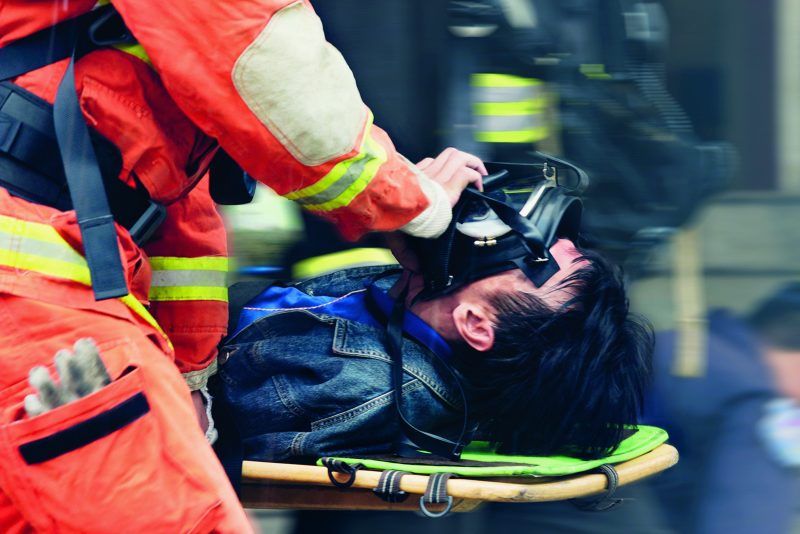
National EMS Week takes place from May 17 to 23 and is an ideal opportunity to learn about the people who work in emergency medical services. In the United States, the EMS workforce encompasses four levels of trained first responders.
Emergency medical responder (EMR)
The role of an EMR is to initiate patient care while awaiting an additional emergency medical response. They’re trained to perform basic lifesaving interventions, such as CPR and bleeding control, with minimal equipment. Firefighters, police officers and lifeguards are often certified EMRs.
Emergency medical technician (EMT)
The role of an EMT is to provide basic lifesaving care and medical transportation by ambulance. They’re trained to assess a patient’s condition and manage various types of trauma, cardiac events, and respiratory emergencies. In rural areas, an EMT may be the primary EMS provider, but they can also assist higher-level personnel at the scene and during transport.
Advanced emergency medical technician (AEMT)
The role of an AEMT is to perform basic and certain advanced lifesaving interventions. They’re trained to provide more complex medical care than an EMT, such as administering intravenous fluids and certain medications.
Paramedic
The role of a paramedic is to provide extensive pre-hospital care, although the tasks and procedures they’re allowed to perform vary by state. They’re trained to make critical medical decisions, use advanced diagnostic equipment, and perform minor surgical procedures.
In honor of National EMS Week, take the time to thank all types of first responders for the important and often lifesaving work they do in our community.

‘The Revenant: A Novel of Revenge’

Virginia Lawmakers Close 2026 Session With Focus on Lowering Costs

The 10 Most Important Things That Happened in Virginia’s 2026 Legislative Session

Electric Vehicle Market Adjusts as Industry Rethinks the Road Ahead

Cultures Around the World Mark the Spring Equinox With Unique Traditions

Laurel Ridge to Host 46th Annual Spring Follies: “Back to the ’90s”

Love Revival to Host Free Community Easter Celebration in Front Royal

Salvation Army of Front Royal Plans Annual Dinner and Raffle Fundraiser

Stephen Paul Sill (1955 – 2026)

Virginia Seeks Public Input for 2026 Statewide Rail Plan

Front Royal Craftsmen Revive Centuries-Old Timber Framing Tradition

VDOT: Warren County Traffic Alert for March 16 – 20, 2026

Virginia Lawmakers End Session Without Final Budget

Your Personal Mission Statement: A Guide to Getting What You Want Out of Life
Disappointed In Our Olympic Spirit

How St. Patrick’s Day Became America’s Biggest Irish Party

Virginia State Police Urge Sober Plans for Saint Patrick’s Day Celebrations

In a One-Party County, Internal Party Decisions Affect Us All

Virginia State Police Seize Nearly 100 Pounds of Narcotics, Recover Firearms in Weekly Crime Suppression Effort

Barton Charles “Bart” Haller (1940 – 2026)

Dawn Lee Dodson (1970 – 2026)

Mary Helen “Nanny” Spires Johnt (1954 – 2026)

Another Round of ‘Momnibus’ Bills Are Headed Towards the Governor This Year

Virginia Joins States Challenging Trump Admin Regulations That Limit Free Birth Control Access
