
Local News
Best practices during child passenger safety week
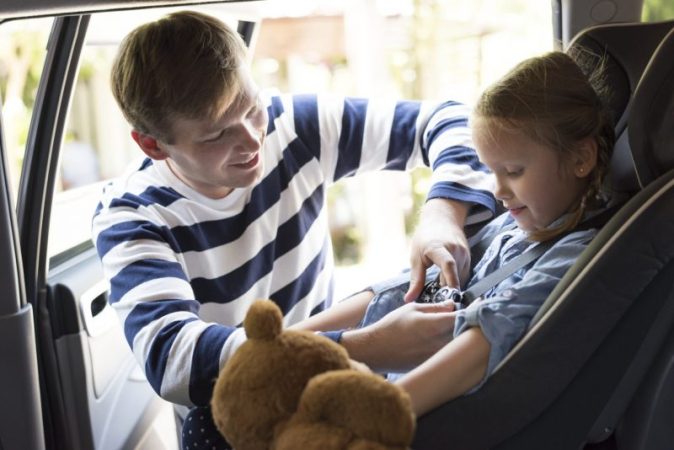
Child Passenger safety week is September 23rd-29th this year and serves as an important reminder that hot cars and improper use of car seats are responsible for the deaths of more than a thousand children each year and that more can be done to prevent them, according to the National Safety Council. This week culminates with the National Seat Check on Saturday, September 29th, when certified safety experts will be on hand at car seat events all over the country to provide advice and free car seat installations for parents and other caregivers.
Inside cars, children are most susceptible to the extreme heat that can build up over time and cause pediatric vehicular heatstroke (PVH) which claimed the lives of 42 children in 2017 alone. The majority of deaths occurred among children that were three years of age or younger because they often cannot alert their parents when they have been left alone. Despite the headlines, only about half of all children that die in hot cars are the result of forgetfulness. Many are from incidents where the child enters an unattended vehicle by themselves. To help prevent these tragedies, never leave a child alone in a car for any reason, keep doors locked when not in use, and consider purchasing an electronic device to remind you to check the back seat for children.
With car crashes being one of the leading causes of death among children under the age of 15, there were 1,346 in 2015 alone, car seat safety is imperative to help prevent death or serious injury when these accidents occur. Parents should thoroughly research any seat they are considering for purchase to ensure that it complies with or exceeds their state’s safety laws. Take advantage of certified experts to install the car seat and remember that there are specific age and weight requirements before a child should be allowed to face the front in a car seat or sit in the front seat when they are older. While air bags save the lives of adults and older children, they can be deadly for young ones. Enforce seat belt safety with older children by refusing to move the car until they have buckled up securely.

‘The Revenant: A Novel of Revenge’

Virginia Lawmakers Close 2026 Session With Focus on Lowering Costs

The 10 Most Important Things That Happened in Virginia’s 2026 Legislative Session

Electric Vehicle Market Adjusts as Industry Rethinks the Road Ahead

Cultures Around the World Mark the Spring Equinox With Unique Traditions

Laurel Ridge to Host 46th Annual Spring Follies: “Back to the ’90s”

Love Revival to Host Free Community Easter Celebration in Front Royal

Salvation Army of Front Royal Plans Annual Dinner and Raffle Fundraiser

Stephen Paul Sill (1955 – 2026)

Virginia Seeks Public Input for 2026 Statewide Rail Plan

Front Royal Craftsmen Revive Centuries-Old Timber Framing Tradition

VDOT: Warren County Traffic Alert for March 16 – 20, 2026

Virginia Lawmakers End Session Without Final Budget

Your Personal Mission Statement: A Guide to Getting What You Want Out of Life
Disappointed In Our Olympic Spirit

How St. Patrick’s Day Became America’s Biggest Irish Party

Virginia State Police Urge Sober Plans for Saint Patrick’s Day Celebrations

In a One-Party County, Internal Party Decisions Affect Us All

Virginia State Police Seize Nearly 100 Pounds of Narcotics, Recover Firearms in Weekly Crime Suppression Effort

Barton Charles “Bart” Haller (1940 – 2026)

Dawn Lee Dodson (1970 – 2026)

Mary Helen “Nanny” Spires Johnt (1954 – 2026)

Another Round of ‘Momnibus’ Bills Are Headed Towards the Governor This Year

Virginia Joins States Challenging Trump Admin Regulations That Limit Free Birth Control Access
