
Health
Bitters have a rich history
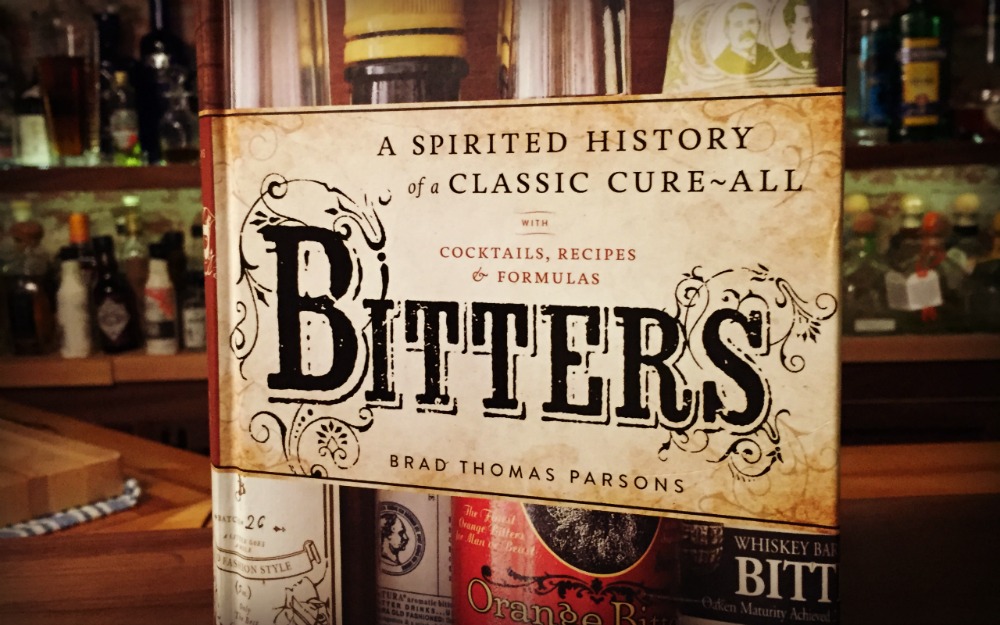 Of all the herbs in common use, bitters have the most storied history.
The Germans swear by them to aid in digestion. Author Ernest Hemingway famously used them mixed with Vermouth.
According to the University of California’s Berkeley Wellness letter, the term bitters would traditionally describe an alcohol-based extract of leaves, flowers, bark, or roots of bitter-tasting plants. Two of the most famous bitters, Angostura and Peychaud’s, date back to the 1800s and are a frequent addition to cocktails. In modern days, bitters are classified as herbal supplements and are typically taken by the dropper as a remedy for digestive issues.
Many believe that the bitter taste helps trigger taste receptors in the mouth, which in turn help increase production of saliva, stomach and pancreatic enzymes, bile, and gastrointestinal hormones, according to Wellness.
Germany’s version of the FDA has approved bitters as a treatment for relieving gas and nausea and for appetite promotion.
However, there is some research that suggests bitters could be harmful to those with acid reflux or ulcers and can interfere with some medications. Some theorize that a particular variety, gentian bitters, might lower blood pressure as well.

Supervisors Revisit Cross-County Chester Gap F&R Service, See Member-Staff Confrontation After Numbers Apology Offered

Get Your Equipment Ready Before the Start of Fishing Season

Landscaping Careers Offer Outdoor Work and Creative Opportunities

Blue Ridge Wildlife Center Patient of the Week: Virginia Opossum

From Crime Scenes to K9 Units: Citizens Academy Opens in May

Weekly Yard Waste Pickup Begins April 8 in Front Royal

Town Council Reviews Goals at Retreat in Advance of Work Session

New Virginia Laws Target School Construction and Classroom Cellphone Use

Clear Horizons Brings Fresh Approach to Mental Health

Funding Cuts, State Error Strain Virginia’s HIV Care System

Virginia Hospitals Filed More Than 1 Million Medical Debt Lawsuits Since 2010, a New Report Finds

POLICE: 7 Day FRPD Arrest Report 4/6/2026

Spanberger Signs Bipartisan Bills Tied to Billions in Business Investment Across Virginia

Birthright Case Forces US Supreme Court to Confront Prospect of Americans Losing Citizenship

Caleb Benton McKinstry (2010 – 2026)

Ideas for Nurturing — or Rediscovering — Your Inner Child

Protein Takes Center Stage in Updated U.S. Dietary Guidelines

Blue Ridge Wildlife Center Acknowledges a Quarter of a Century of Work in Wildlife Preservation & Human Education

What Does A ‘Fair Share’ Really Mean?

South Warren Ruritan Club Hosts 20th Annual Spaghetti Dinner Fuels Scholarships for Local Teens

Trees Take Root as Virginia’s Frontline Defense Against Urban Heat

Virginia Set to Rejoin RGGI as Utilities Prepare to Pass the Cost Back to Ratepayers

Virginia Joins Multi-State Lawsuit Challenging Trump’s Election Order

Trump Budget Seeks 43% Boost in Defense Spending, Cuts in Many Domestic Programs
