
Local News
Blue Ridge Wildlife Center Patient of the Week: Great Horned Owl
West Nile Virus impacts wildlife, humans, and domestic animals.
This adult Great Horned Owl was found on the ground, unable to stand, disoriented, and quiet. These neurologic displays are signs of West Nile Virus (WNV), a mosquito-borne virus that can be lethal in a variety of species including birds, humans, and horses.
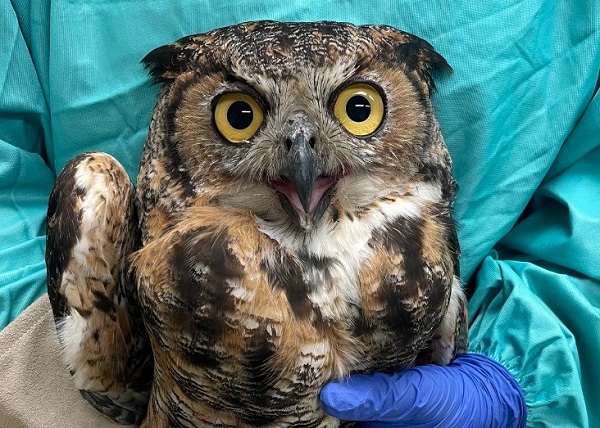
Given its primary route of transmission, most WNV cases are seen when mosquito activity is at its peak, summer through early fall.
This virus has a high mortality rate in corvids (crows and jays) and raptors (especially Great Horned Owls and Red-tailed Hawks). Typical signs of WNV including incoordination, tremors, and lethargy.
In the past few weeks, we have admitted multiple cases from the Ashburn Farm area of Loudoun County, VA that were confirmed positive via laboratory testing.
This owl is from a bit further west in Loudoun County and we are still awaiting WNV test results.
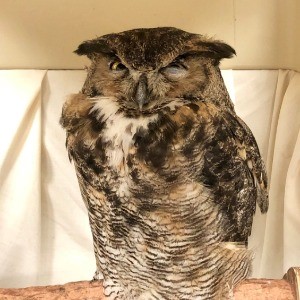
WNV is an excellent example of the importance of wildlife hospitals in One Health. Many diseases, including WNV, impact humans, wildlife, domestic animals, and the environment. This viral disease was first seen in humans in the U.S. in 1999 in New York City. Since then, it has spread across the country and impacts primarily birds, horses, and humans (horses and some birds, including our educational ambassadors, are lucky enough to have a vaccine). Most humans that contract WNV do not show any signs.
Prevent mosquito breeding by regularly emptying vessels that collect water in your yard including pots, buckets, bird baths, and more. These should be dumped and scrubbed out at least weekly.
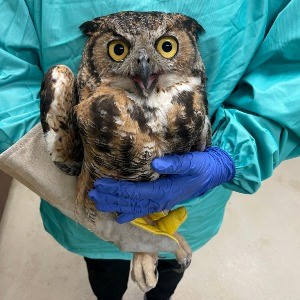
Use screens on windows and doors (and repair holes promptly) to prevent mosquito entry into homes. Wear long sleeves and use mosquito repellent when engaging in outdoor activities, especially around dusk.
For horses, please ensure they receive their WNV vaccine as it is the best form of prevention. Sadly, there is no vaccine for humans.
Most avian WNV cases exhibit general signs of lethargy and incoordination.
If you see a raptor or a crow that is quiet and fluffed, down and unable to fly, or having trouble standing properly, especially this time of year, this is a suspicious case.
Tremors, incoordination, and even seizures may also be seen. Please contact us or your local rehabilitator right away if you are seeing signs like this in a bird.
This patient is currently eating well in care and we are hopeful that this bird will recover, but WNV typically has a poor prognosis.
Learn more about preventing West Nile Virus.
Looking for an easy way to help native wildlife? Become a monthly BRWC donor! For as little as $5/month, you can provide year-round, sustainable support that helps us fulfill our mission.

South Warren Ruritan Club Hosts 20th Annual Spaghetti Dinner Fuels Scholarships for Local Teens

Trees Take Root as Virginia’s Frontline Defense Against Urban Heat

Virginia Set to Rejoin RGGI as Utilities Prepare to Pass the Cost Back to Ratepayers

Virginia Joins Multi-State Lawsuit Challenging Trump’s Election Order

Trump Budget Seeks 43% Boost in Defense Spending, Cuts in Many Domestic Programs

Virginia Sees 33,000 ACA Enrollment Drop Since Subsidies Expired, More Likely on the Way

Annual Dental Checkups and Cleanings: Essential Appointments

4 Stimulating Activities for a Healthy Brain After 50

The First Amendment: America’s Unique Foundation of Freedom

How to Tackle Credit Card Debt

Summer Enrichment Camp Gives Teens Hands-On Learning Opportunities

VDOT: Warren County Traffic Alert for April 6 – 10, 2026

David Silek to Remain in Chairman’s Seat of WC Republican Committee Pending 6th District Appeal Decision

Sales Set to Bloom Like Daffodils This Spring

America 250: The Bookseller Who Helped Save the Revolution

Business Growth Series: Why Good Businesses Still Struggle to Grow

Brownies with Mini Chocolate Easter Eggs

Shenandoah Downs Opens 11th Season April 11 with Tribute to Roger Hammer

We Don’t Know Everything About DNA

How PAAS Came to Dominate the Easter Egg Dye Tradition

Spanberger Signs Bipartisan School-Safety, Student Support Bills Into Law

Melanie J. Pomeroy (1958 – 2026)

David Benjamin Heller (1990 – 2026)
1776 Wasn’t Just About Independence
