
Local News
Blue Ridge Wildlife Center Patient of the Week: Groundhog
This Groundhog was admitted after a vehicle collision left her with exposed small intestines that had herniated through the left abdominal wall.
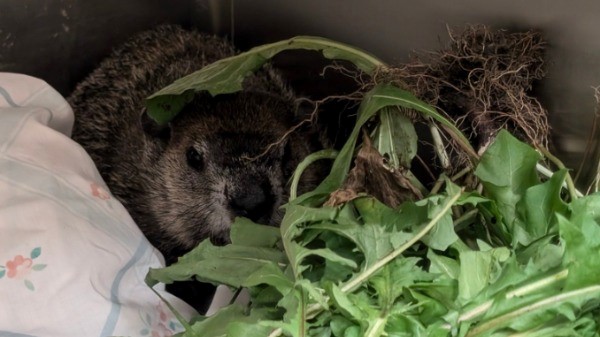
Herniations are quite common after injuries of blunt force trauma, most commonly vehicle collisions. Though many of these herniations are through the diaphragm, keeping all organs internal, cases like this patients’ are more complex as the tissue has been exposed to the outside, creating a much higher risk for infection.
This patient was stabilized, and surgery was performed on the day of intake to limit risks of infection and loss of circulation to the external intestines.

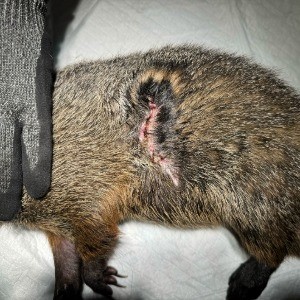
Fortunately, this patient did very well in surgery and is was alert, eating, and recovering on pain medications and antibiotics.
In this case, the trauma was easily noticeable, but in many cases, victims of vehicle collisions have only internal (yet life-threatening) trauma. Regardless of what you see externally, if an animal has been struck by a vehicle, or if you see a down animal along the side of the road that was likely hit, that animal should be evaluated by a professional.
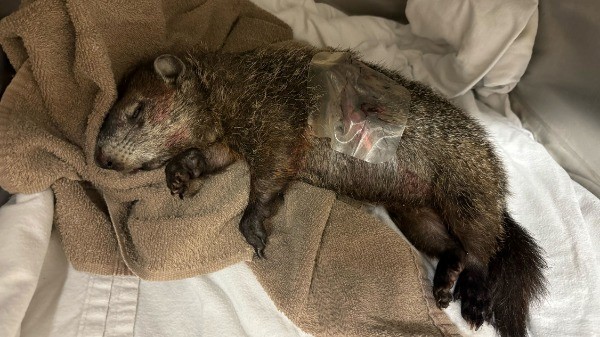
Although lower risk than some other mammals, groundhogs are considered high-risk rabies vectors in Virginia. Please DO NOT intervene if it is not safe for you to do so, if you do not have appropriate personal protective equipment, or if you have not already spoken to a rehabilitator who can accept the animal as a new patient.
We’re grateful that this finder did everything right and got this individual into care quickly to give her the best chance possible at returning to the wild.
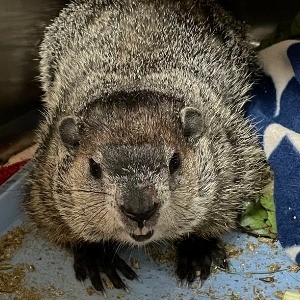
Many people think groundhogs are a nuisance, but these large rodents are extremely beneficial to the ecosystem.
Their movement of soil is import in aeration, irrigation, and nutrient mixing and the foods and waste they leave behind add nutrients to the soil.
Many animals who cannot dig quite so well will also use the old burrows for temporary shelters or hibernation/brumation sites.
They can even attract predators like foxes and snakes that help keep rodent populations down on farms.
This patient has finally been cleared for release and we are so excited to get this groundhog back home to continue providing these important ecosystem services!
Looking for an easy way to help native wildlife? Become a monthly BRWC donor! For as little as $5/month, you can provide year-round, sustainable support that helps us fulfill our mission.

Blue Ridge Wildlife Center Acknowledges a Quarter of a Century of Work in Wildlife Preservation & Human Education

What Does A ‘Fair Share’ Really Mean?

South Warren Ruritan Club Hosts 20th Annual Spaghetti Dinner Fuels Scholarships for Local Teens

Trees Take Root as Virginia’s Frontline Defense Against Urban Heat

Virginia Set to Rejoin RGGI as Utilities Prepare to Pass the Cost Back to Ratepayers

Virginia Joins Multi-State Lawsuit Challenging Trump’s Election Order

Trump Budget Seeks 43% Boost in Defense Spending, Cuts in Many Domestic Programs

Virginia Sees 33,000 ACA Enrollment Drop Since Subsidies Expired, More Likely on the Way

Annual Dental Checkups and Cleanings: Essential Appointments

4 Stimulating Activities for a Healthy Brain After 50
The First Amendment: America’s Unique Foundation of Freedom

How to Tackle Credit Card Debt

Summer Enrichment Camp Gives Teens Hands-On Learning Opportunities

VDOT: Warren County Traffic Alert for April 6 – 10, 2026

David Silek to Remain in Chairman’s Seat of WC Republican Committee Pending 6th District Appeal Decision

Sales Set to Bloom Like Daffodils This Spring

America 250: The Bookseller Who Helped Save the Revolution

Business Growth Series: Why Good Businesses Still Struggle to Grow

Brownies with Mini Chocolate Easter Eggs

Shenandoah Downs Opens 11th Season April 11 with Tribute to Roger Hammer

We Don’t Know Everything About DNA

How PAAS Came to Dominate the Easter Egg Dye Tradition

Spanberger Signs Bipartisan School-Safety, Student Support Bills Into Law

Melanie J. Pomeroy (1958 – 2026)
