
Local News
Blue Ridge Wildlife Center Patient of the Week: Hoary Bat
The largest bat in Virginia!
With the recent warm weather, we’ve been busy returning many otherwise-healthy patients back to their natural habitats—including some of our overwintering bats, like this Hoary Bat!
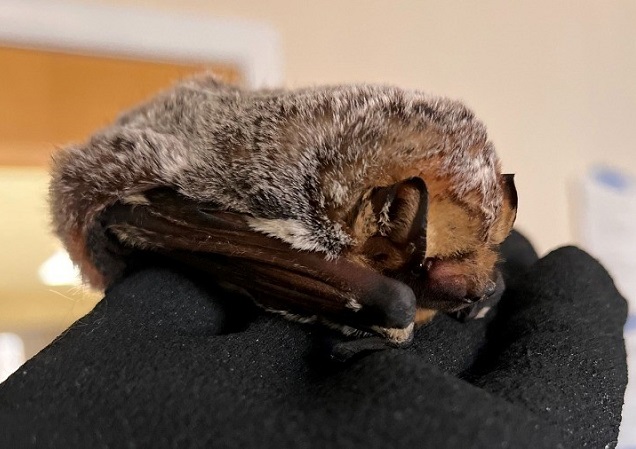
This female bat was found outside on a cold winter day in late February. She was lethargic and unable to find shelter.
Concerned for her well-being, a kind rescuer safely contained her and brought her to us for evaluation. Thankfully, she had no major injuries, but she was underweight and still sluggish after rewarming.
After weeks of care—including nutritious meals, rehydration, and plenty of rest—she perked up and became much more active.
Before release, we ensured she could fly and maneuver properly. Check out this video to see her beautiful flight around her pre-release enclosure! Once she aced her flight test, she was promptly cleared for release.
Found a Bat?
Bats may wake up and become active on warm winter days, but if temperatures drop again, they can become stranded in unsafe or exposed locations.
If you find a bat in need, give us a call at (540) 837-9000. We’re open 9 AM – 5 PM, 365 days a year to help with wildlife emergencies!
Never handle a bat with bare hands—they may be stressed and will react defensively.
Did You Know?
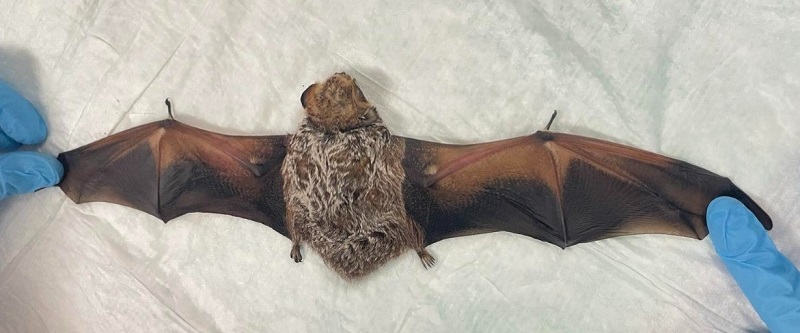
- Hoary Bats are the largest bats in Virginia—with a wingspan over 15 inches and weighing up to a whopping 30 grams (same as a AA battery).
- Hoary bats are the most widespread bat species in North America.
- They are migratory, traveling north in the spring to reach their breeding grounds.
- They have a furry tail membrane (affectionately called a “booty blanket”) that helps them stay warm while roosting.
- Hoary bats are experiencing significant population declines. Unlike many other bat species that roost in caves, hoary bats are tree-roosting bats, which makes them especially vulnerable to habitat disturbances.
- Hoary bats primarily eat moths, beetles, and other night-flying insects, many of which are agricultural pests.
- A single bat can eat hundreds of insects in a night, reducing the need for chemical pesticides and saving farmers billions of dollars annually!
Hoary bats are an essential part of the ecosystem, and their decline could have far-reaching consequences for agriculture and biodiversity. Protecting them means protecting our environment!
Looking for an easy way to help native wildlife? Become a monthly BRWC donor! For as little as $5/month, you can provide year-round, sustainable support that helps us fulfill our mission.

Tips for Staying Safe Around Unfamiliar Dogs

Skyline FFA Students Promote Agriculture at South River Community Forum

Warren Coalition Works to Build Resilience and Prevent Substance Abuse

Warner Files for Reelection, Launching Bid for Fourth U.S. Senate Term

Registrar Urges Residents to Stay Informed and Participate in Upcoming Elections

South River Forum Brings Residents and Leaders Together at Skyline

CHEO Garden Expands Mission of Food, Learning and Community

Sharing a Room: How to Avoid Sibling Conflicts

Laurel Ridge to Host Week of the Young Child Art Exhibit

Free $1,000 ‘Trump Accounts’ Draw 1 Million Families

‘The Revenant: A Novel of Revenge’

Virginia Lawmakers Close 2026 Session With Focus on Lowering Costs

The 10 Most Important Things That Happened in Virginia’s 2026 Legislative Session

Electric Vehicle Market Adjusts as Industry Rethinks the Road Ahead

Cultures Around the World Mark the Spring Equinox With Unique Traditions

Laurel Ridge to Host 46th Annual Spring Follies: “Back to the ’90s”

Love Revival to Host Free Community Easter Celebration in Front Royal

Salvation Army of Front Royal Plans Annual Dinner and Raffle Fundraiser

Stephen Paul Sill (1955 – 2026)

Virginia Seeks Public Input for 2026 Statewide Rail Plan

Front Royal Craftsmen Revive Centuries-Old Timber Framing Tradition

VDOT: Warren County Traffic Alert for March 16 – 20, 2026

Virginia Lawmakers End Session Without Final Budget

Your Personal Mission Statement: A Guide to Getting What You Want Out of Life