
Local Government
Board of Zoning Appeals Sets Cap on Agricultural Pursuit in Residential Zone
In the absence of clear direction from the Town Council on performance standards for urban agriculture, the Board of Zoning Appeals struggled on February 17 to adjudicate a violation appealed by Melanie Thornberg of Happy Creek Cheeses, LLC. This operation, associated with Thorny Ridge Farm, is located on property zoned R-S (Suburban Residential). It is arguably an agricultural pursuit, and with its multiple facilities and upwards of forty goats, it is out of character with its zoning designation. What was originally chartered as a home occupation has expanded into something that is “too big”, to use the words of Chairman Cody Taylor.
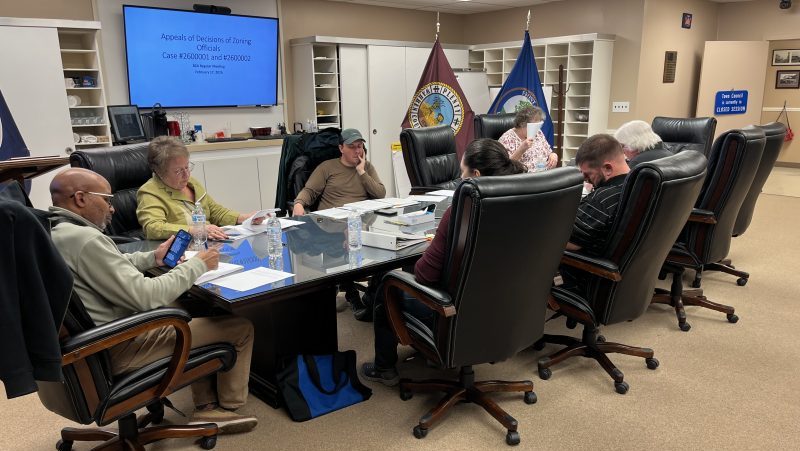
The Board of Zoning Appeals holds a meeting on February 17. Royal Examiner Photo Credits: Brenden McHugh.
Granted, the Town Council is on a journey, and attention to urban agriculture is still very much on the radar. If it serves as anything, the seventeenth illustrates the need for clear guidelines, particularly when it comes to what is meant by the word “incidental”. This word was repeated frequently by staff during the hearing, emphasizing that in residential zones, urban agriculture should not overwhelm the primary residential use. But what is incidental is not clear to everyone. Obviously. Until the council generates numbers, clarifies what is meant by “livestock,” and determines whether the volume of trade based on products manufactured on site exceeds mere urban activity and establishes a full-blown agricultural presence, the problem will persist.
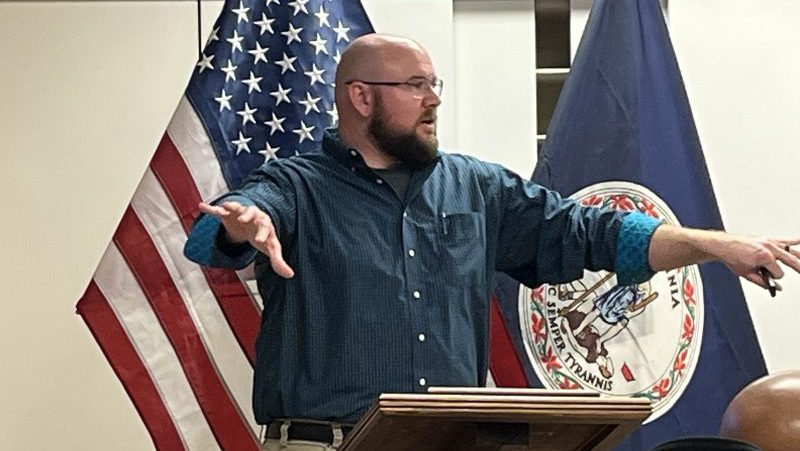
Enforcement Officer Daniel Wells.
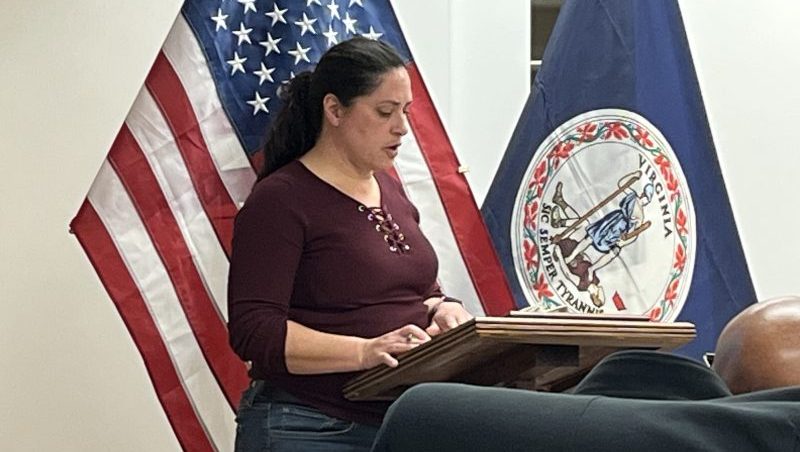
Appellant Melanie Thornberg.
The property is located adjacent to several others that feature non-conforming uses, including one instance in which a property that had always had horses prior to its re-designation continues to have them. This may have contributed to the board’s decision to put a cap on the operation. In other words, the Thornbergs can maintain what they have currently, but they are not expanding beyond that. Without this concession from the board’s majority, their next step would be the court, at which point, because a prior zoning administrator may or may not have greenlighted them, they could possibly receive a ruling in their favor. The awareness that such an operation would never be approved now permeated the majority’s decision to tolerate this extraordinary case.
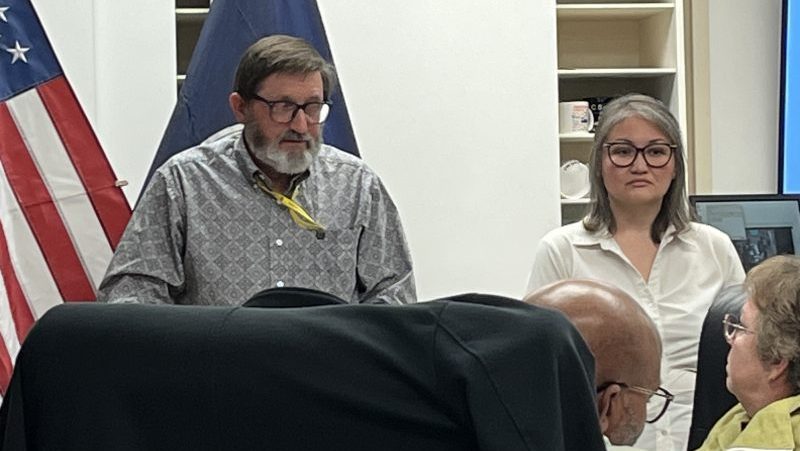
Deputy Zoning Administrator John Ware and Planning Director Lauren Kopishke.

‘The Revenant: A Novel of Revenge’

Virginia Lawmakers Close 2026 Session With Focus on Lowering Costs

The 10 Most Important Things That Happened in Virginia’s 2026 Legislative Session

Electric Vehicle Market Adjusts as Industry Rethinks the Road Ahead

Cultures Around the World Mark the Spring Equinox With Unique Traditions

Laurel Ridge to Host 46th Annual Spring Follies: “Back to the ’90s”

Love Revival to Host Free Community Easter Celebration in Front Royal

Salvation Army of Front Royal Plans Annual Dinner and Raffle Fundraiser

Stephen Paul Sill (1955 – 2026)

Virginia Seeks Public Input for 2026 Statewide Rail Plan

Front Royal Craftsmen Revive Centuries-Old Timber Framing Tradition

VDOT: Warren County Traffic Alert for March 16 – 20, 2026

Virginia Lawmakers End Session Without Final Budget

Your Personal Mission Statement: A Guide to Getting What You Want Out of Life
Disappointed In Our Olympic Spirit

How St. Patrick’s Day Became America’s Biggest Irish Party

Virginia State Police Urge Sober Plans for Saint Patrick’s Day Celebrations

In a One-Party County, Internal Party Decisions Affect Us All

Virginia State Police Seize Nearly 100 Pounds of Narcotics, Recover Firearms in Weekly Crime Suppression Effort

Barton Charles “Bart” Haller (1940 – 2026)

Dawn Lee Dodson (1970 – 2026)

Mary Helen “Nanny” Spires Johnt (1954 – 2026)

Another Round of ‘Momnibus’ Bills Are Headed Towards the Governor This Year

Virginia Joins States Challenging Trump Admin Regulations That Limit Free Birth Control Access
