
Home
Diabetes in cats and dogs
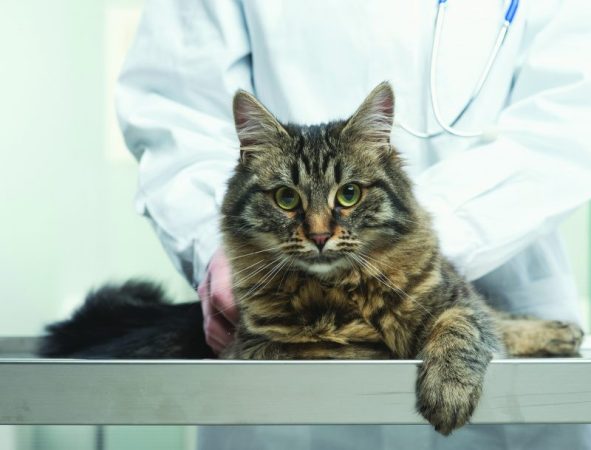
Just like humans, cats and dogs can suffer from diabetes mellitus. Nick¬named the “silent killer,” this chronic disease is caused by a lack of insulin or an inability to use it.
Normally, insulin is secreted by the pancreas and delivers glucose from the bloodstream into the body’s cells where it’s then used as energy. But when there’s an insulin deficiency, or the cells in the body are unable to use the insulin it produces, an abnormally high blood sugar level is the result.
If left untreated, diabetes mellitus can cause health complications like cataracts, urinary tract infections, seizures and kidney failure. In the very worst cases, it can induce a coma or even lead to death.
At-risk breeds
All cats are at risk of suffering from diabetes mellitus, especially as they age. It’s a bit different with dogs. The risk of developing the condition is higher among certain breeds like Maltese, dachshunds, miniature poodles and Labradors. But whatever the breed, unneutered females, older dogs and those that are obese are among the most regularly affected.
Signs to look for
Early signs of diabetes to watch for in your animal include excessive thirst, increased urination, increased appetite and weight loss. Advanced signs include loss of appetite, lack of energy, depressed attitude and vomiting. If you observe such changes in your animal, consult a veterinarian right away. The quicker a diagnosis can be made (using blood and urine tests), the better the chances of your pet living comfortably with the condition.
Treatment
Diabetes is treated in animals in much the same way as it is in humans: through daily insulin shots, a special diet and moderate but consistent exercise. Diligently following these recommendations and all others given by your veterinarian will help your pet live a healthy, normal life.

Christopher Todd Thomas (1975 – 2026)

Constitution 101: The Commerce Clause

What Factors Are Most Likely to Affect the Cost of a Funeral?

Learn to Spot Scams: Free Workshop Set for June 2

Smart Ways to Use Your Tax Refund This Year

Supervisors Revisit Cross-County Chester Gap F&R Service, See Member-Staff Confrontation After Numbers Apology Offered

Get Your Equipment Ready Before the Start of Fishing Season

Landscaping Careers Offer Outdoor Work and Creative Opportunities

Blue Ridge Wildlife Center Patient of the Week: Virginia Opossum

From Crime Scenes to K9 Units: Citizens Academy Opens in May

Weekly Yard Waste Pickup Begins April 8 in Front Royal

Town Council Reviews Goals at Retreat in Advance of Work Session

New Virginia Laws Target School Construction and Classroom Cellphone Use

Clear Horizons Brings Fresh Approach to Mental Health

Funding Cuts, State Error Strain Virginia’s HIV Care System

Virginia Hospitals Filed More Than 1 Million Medical Debt Lawsuits Since 2010, a New Report Finds

POLICE: 7 Day FRPD Arrest Report 4/6/2026

Spanberger Signs Bipartisan Bills Tied to Billions in Business Investment Across Virginia

Birthright Case Forces US Supreme Court to Confront Prospect of Americans Losing Citizenship

Caleb Benton McKinstry (2010 – 2026)

Ideas for Nurturing — or Rediscovering — Your Inner Child

Protein Takes Center Stage in Updated U.S. Dietary Guidelines

Blue Ridge Wildlife Center Acknowledges a Quarter of a Century of Work in Wildlife Preservation & Human Education
What Does A ‘Fair Share’ Really Mean?
