
Food
Family dinner: Evolving, good for kids
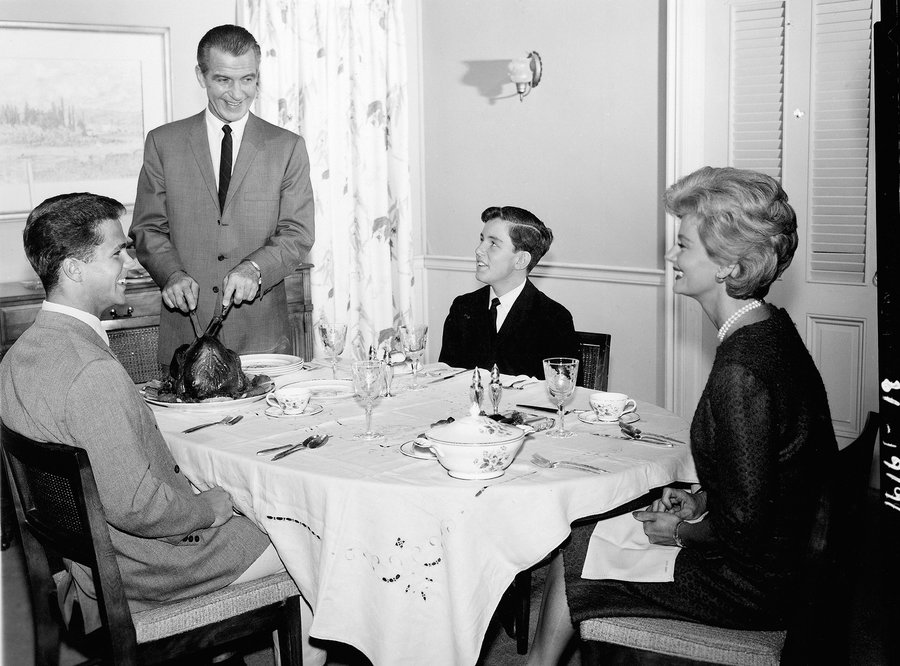 During years as kids grow, family dinner time tends to change, but it remains one of the fundamental building blocks of kids’ character and knowledge, experts say.
With young children, families might have to eat early, ignore some table manners, and endure the usual bouts of crying, mess and chaos, according to PlanningWithKids.com.
As the kids grow, dinner time has less chaos, but perhaps more sullen children as they reach teenage years.
Is it worth it?
Absolutely, says Harvard Medical School Professor Anne Fishel, co-founder of The Family Dinner Project.
For one thing, research published in New Directions for Child and Adolescent Development has found that dinner conversations are essential in building vocabulary, acquiring general knowledge and understanding culturally appropriate talk.
Researchers found that young children learned 1,000 rare words at the dinner table, compared to only 143 from stories read allowed. This helps children read earlier and more easily.
For school-age kids, regular mealtimes are a predictor of high achievement scores. Adolescents who ate family meals five to seven times a week, were twice as likely to get A’s in school, according to the Washington Post.
One study in Pediatric Psychology even found that family dinner rituals even acted as a protector for children with asthma.
For adolescents, a number of studies showed that regular dinners lowered high risk behaviors and mood problems.
The key is emphasizing interpersonal relationships with casual conversations, not scolding or yelling at each other.

From Crime Scenes to K9 Units: Citizens Academy Opens in May

Weekly Yard Waste Pickup Begins April 8 in Front Royal

Town Council Reviews Goals at Retreat in Advance of Work Session

New Virginia Laws Target School Construction and Classroom Cellphone Use

Clear Horizons Brings Fresh Approach to Mental Health

Funding Cuts, State Error Strain Virginia’s HIV Care System

Virginia Hospitals Filed More Than 1 Million Medical Debt Lawsuits Since 2010, a New Report Finds

Spanberger Signs Bipartisan Bills Tied to Billions in Business Investment Across Virginia

Birthright Case Forces US Supreme Court to Confront Prospect of Americans Losing Citizenship

Caleb Benton McKinstry (2010 – 2026)

Ideas for Nurturing — or Rediscovering — Your Inner Child

Protein Takes Center Stage in Updated U.S. Dietary Guidelines

Blue Ridge Wildlife Center Acknowledges a Quarter of a Century of Work in Wildlife Preservation & Human Education

What Does A ‘Fair Share’ Really Mean?

South Warren Ruritan Club Hosts 20th Annual Spaghetti Dinner Fuels Scholarships for Local Teens

Trees Take Root as Virginia’s Frontline Defense Against Urban Heat

Virginia Set to Rejoin RGGI as Utilities Prepare to Pass the Cost Back to Ratepayers

Virginia Joins Multi-State Lawsuit Challenging Trump’s Election Order

Trump Budget Seeks 43% Boost in Defense Spending, Cuts in Many Domestic Programs

Virginia Sees 33,000 ACA Enrollment Drop Since Subsidies Expired, More Likely on the Way

Annual Dental Checkups and Cleanings: Essential Appointments

4 Stimulating Activities for a Healthy Brain After 50
The First Amendment: America’s Unique Foundation of Freedom

How to Tackle Credit Card Debt
