
Food
How cooking impacts the nutritional value of various foods
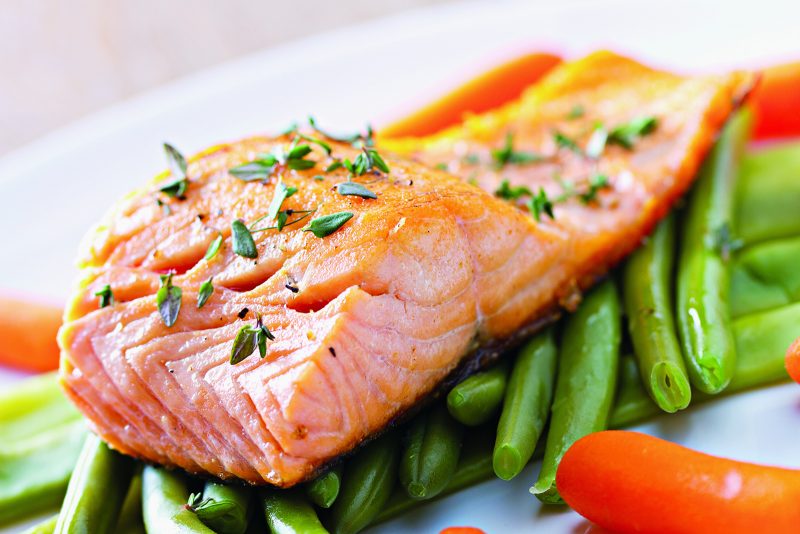
Fillet of Salmon.
Cooking food helps your body digest and absorb nutrients. However, it can also reduce the amount of vitamins and minerals in various ingredients, and the way you cook your meals significantly impacts their nutritional value. Here’s what you should know about cooking various foods.
Vegetables
When it comes to cooking vegetables, the B vitamins and vitamin C are the most vulnerable. Since these vitamins are water-soluble, vegetables should be cooked in as little water as possible to maximize the preservation of nutrients. Steaming, microwaving and roasting are all effective ways to do this.
Additionally, the oil used when grilling and stir-frying helps your body absorb fat-soluble vitamins A, D, E and K.
Meat
Meat is a major source of several B vitamins, but these heat-sensitive nutrients seep out when meat is cooked for a long time or at a high temperature. To benefit from these vitamins, consume the meat’s cooked juices as well.
Cooking meat at a high temperature also leads to the formation of harmful compounds, so simmering and stewing are preferable to grilling and stir-frying.
Fish
Fatty fish, such as salmon and mackerel, are an important source of omega-3 fatty acids and vitamin D. However, omega-3 fatty acids are easily damaged when exposed to the high temperatures required to fry, grill and broil fish.
The most effective way to preserve these nutrients is to use low-temperature cooking methods such as poaching and steaming. Baking also minimizes the loss of vitamin D in fish.
Overall, the best way to preserve the nutrients in cooked food is to limit the use of water, reduce the cooking time and keep the temperature as low as possible.

Funding Cuts, State Error Strain Virginia’s HIV Care System

Virginia Hospitals Filed More Than 1 Million Medical Debt Lawsuits Since 2010, a New Report Finds

Spanberger Signs Bipartisan Bills Tied to Billions in Business Investment Across Virginia

Birthright Case Forces US Supreme Court to Confront Prospect of Americans Losing Citizenship

Caleb Benton McKinstry (2010 – 2026)

Ideas for Nurturing — or Rediscovering — Your Inner Child

Protein Takes Center Stage in Updated U.S. Dietary Guidelines

Blue Ridge Wildlife Center Acknowledges a Quarter of a Century of Work in Wildlife Preservation & Human Education

What Does A ‘Fair Share’ Really Mean?

South Warren Ruritan Club Hosts 20th Annual Spaghetti Dinner Fuels Scholarships for Local Teens

Trees Take Root as Virginia’s Frontline Defense Against Urban Heat

Virginia Set to Rejoin RGGI as Utilities Prepare to Pass the Cost Back to Ratepayers

Virginia Joins Multi-State Lawsuit Challenging Trump’s Election Order

Trump Budget Seeks 43% Boost in Defense Spending, Cuts in Many Domestic Programs

Virginia Sees 33,000 ACA Enrollment Drop Since Subsidies Expired, More Likely on the Way

Annual Dental Checkups and Cleanings: Essential Appointments

4 Stimulating Activities for a Healthy Brain After 50
The First Amendment: America’s Unique Foundation of Freedom

How to Tackle Credit Card Debt

Summer Enrichment Camp Gives Teens Hands-On Learning Opportunities

VDOT: Warren County Traffic Alert for April 6 – 10, 2026

David Silek to Remain in Chairman’s Seat of WC Republican Committee Pending 6th District Appeal Decision

Sales Set to Bloom Like Daffodils This Spring

America 250: The Bookseller Who Helped Save the Revolution
